Organic
Education and development programs are plentiful for interested producers.
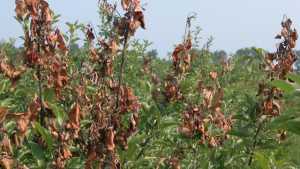
As organic growers lose their most-common defense against fire blight, research around the country provides resources and options for control of the bacterial disease.
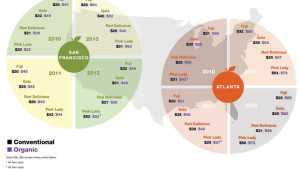
Prices fluctuate year-to-year, but even as the category becomes more mainstream, the market premium for organic apples is holding strong. USDA-Economic Research Service numbers for Atlanta and San Francisco, for example, show a steady increase in organic prices — especially in comparison to their conventional counterparts — over the last four years.

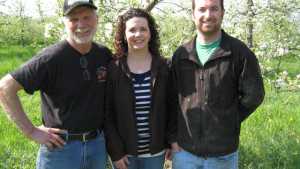
For Jim Koan of Almar Orchards in Flushing, MI, organic production began as an experiment as he converted part of his 150-acre orchard 20 years ago, without the resources and guides available today.
UF/IFAS researchers harvesting helpful firsthand feedback to develop sustainable production systems.
Biological product suppresses bacteria and can be used in conventional and organic orchards; Verdesian Life Sciences to market Bloomtime for remainder of the year.
Proponents of extension cited inconsistent non-antibiotic research results and lack of viable options for apple and pear growers.
Paying close attention to particulars is required to manage insects and disease in alternative production systems.
Legislation to require labeling on foods containing genetically-modified organisms heads to governor’s office for signature.
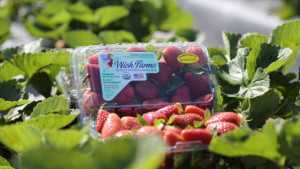
Consumer incentive initiative supports Florida blueberry and California strawberry deal.
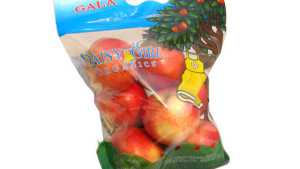
Columbia Marketing International, one of Washington’s largest growers, packers, and shippers, reports continued high demand for organic apples.
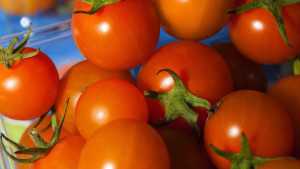
The Organic Seed Alliance releases four organic plant breeding manuals covering carrots, sweet corn, and tomatoes.
Natural III organic seed treatment protects spinach, tomato, pepper, and other vegetable crops against fungi.
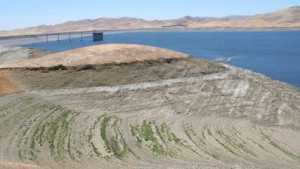
Farm Aid, California Certified Organic Farmers, and Community Alliance with Family Farmers offer disaster assistance to organic farmers who have suffered the effects of the drought.
Funds earmarked for increase in organic research, crop insurance, and exemptions for organic producers.
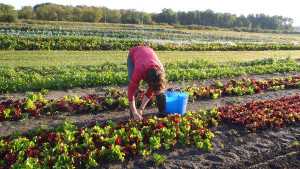
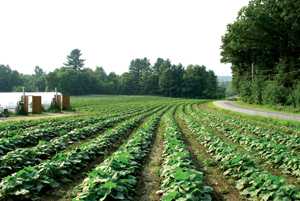
Organic vegetable farm uses conservation to make each acre count.
Organic industry leaders join forces to support educational programs.
Webinar series features experts in the field of organic seed breeding and production.
Food safety certification for organic growers tops the CCOF agenda in 2014.