



What’s Being Done in California Orchards To Beat Perennial Weeds
Perennial weeds are commonplace in California’s vineyards and nut orchards — a menagerie of invaders that include broadleaves, grasses, and sedges. Management of these noxious plants is a challenge for growers, as they must combat seed spread alongside herbicide resistance and a root system that can multiply during cultivation.
“It’s an interesting group of weeds that’s very difficult to control,” Jorge Angeles, Weed Management Advisor at the University of California Cooperative Extension, said during a recent webinar hosted by the UC Statewide IPM Program (UC IPM). “It takes a big effort to control some of these weeds.”
A Diverse Group of Persistent Invaders
Angeles pointed to silverleaf nightshade, a highly adaptable perennial found in young pistachio orchards throughout the state. This problematic plant can tolerate a range of soil and climatic conditions, while its leaves and berries are toxic to hungry livestock.
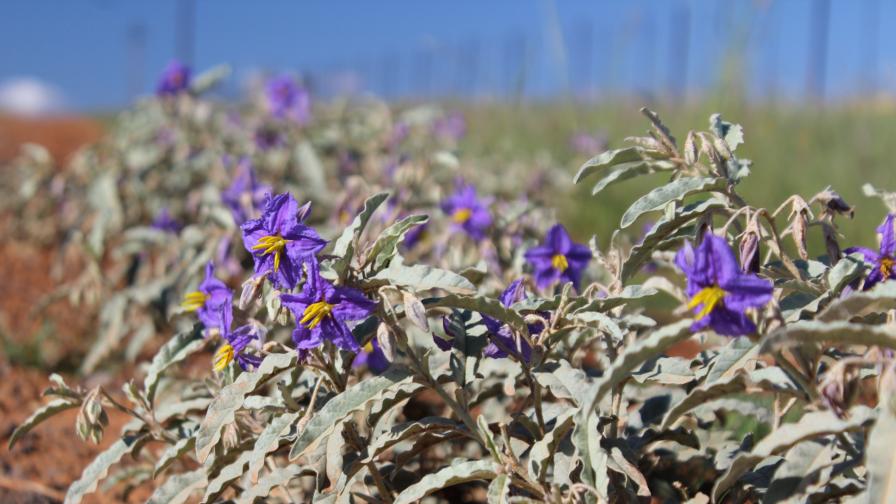
Silverleaf nightshade.
Photo: Vladimira – stock.adobe.com
Silverleaf seeds are spread by tillage as well as birds using the berries as a food source. Like other weeds, silverleaf competes with healthy crops for water, light and nutrients — unmanaged infestations can also reduce crop vigor, noted Angeles.
Field bindweed is another headache for California farmers, as it is active year-round and leaves behind seeds that remain viable for up to 60 years.
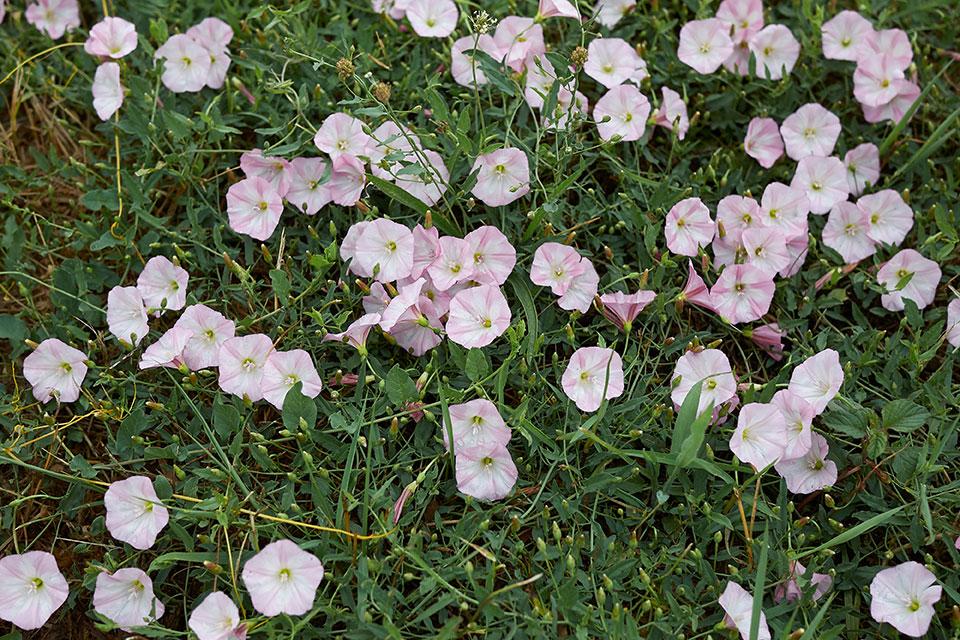
Field bindweed. Photo: Simona – stock.adobe.com
“It climbs on everything, and one plant can produce 550 seeds over the course of a month,” Angeles said. “The seeds set quickly and produce deep vertical roots that will go up to 20 feet deep.”
Why Perennials Are So Difficult to Eliminate
Perennial weeds are notoriously stubborn due to herbicide tolerance, which increases once they become established in soil. Cultivation can disperse root fragments as well, allowing weeds to spread to new areas, said Angeles.
Issues with resistance does not mean growers should avoid chemical treatments entirely, he added. For pistachios, there are 12 pre-emergent and 13 post-emergent herbicides available on the market. Pre-emergent treatments (rimsulfuron, isoxaben, flazasulfuron) provide robust control over black and hairy nightshade, while post-emergent herbicides (glyphosate, glufosinate, pyraflufen) can be used up to two weeks before harvest, said Angeles.
“When we see weeds germinating from seeds, they’re really easy to control, because they don’t have an established root system,” Angeles said. “They’re more susceptible to herbicides, and you can potentially hand weed them. A lot of times, they don’t resprout back, because they don’t have reserves in the root system.”
Deeply entrenched roots make weed mitigation far more difficult. Angeles and his team targeted patches of johnsongrass with glyphosate sprays, relying on the herbicide’s brief pre-harvest interval to keep their timeline on track. Although the regimen killed some weeds, Angeles quickly saw new growth spurred by “massive rhizomes” under the dirt, he said.
Meanwhile, a blend of glyphosate and rimsulfuron proved effective against johnsongrass in raisin vineyards. The lesson, said Angeles, is knowing when to use these chemicals together.
“Whenever you use these herbicides in combination, if that herbicide has some residual activity, it can help manage the johnsongrass and some of these other weeds,” said Angeles.
Integrated Strategies Deliver Better Control
Suppressing weeds long-term requires a mix of integrated chemical, cultural and biological tools. Success relies on precision and timing, whether executing the right herbicide applications or mowing just before unwanted vegetation sets seed, Angeles said.
“There are many weed management tools we could use in vineyards and orchards,” he said. “You have to use a combination of tools, because there is no one tool that can eradicate some of these weeds. You have to use a more integrated approach with different tools to prevent weeds from spreading into some of those vegetative structures. Using these control strategies at the right time is always key to any management plan.”
Subscribe Today For
