Tomatoes
Polly, the pollination robot, uses advanced cameras and image recognition to analyze individual flowers and identify those ready for pollination.
Lipman Family Farms CEO, Elyse Lipman, appointed Chair of International Fresh Produce Association’s Board of Directors for 2027.
Breakthrough gives researchers a powerful tool to speed development of tomato spotted wilt virus-resistant fruit and peppers.
2026 Grower Achievement Award winner Joel Viereck solves what he can on the farm — and speaks up about what he can’t.
Acquisition of southern California-based Inland Premium Packers adds capacity to Lipman’s already powerful distribution chain.
Compare disease resistance and other features to find the right selections for your farm.
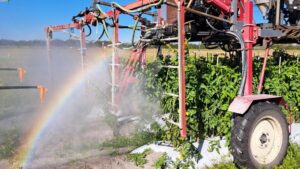
Scientists find fine mist produced by traditional tractor mounted sprayers also could help spread bacterial spot in the field.
Auburn University researchers offer guidance to growers dealing with tomato spotted wilt virus.
University of Florida researchers are developing smart tech tools (PhenoSnap and PhenoSeg) to help strawberry and tomato producers with yield predictions.
A team of researchers has documented promising results in boosting phosphorus intake in cherry tomatoes using biochar and Bacillus.
Here’s how vivipary (the premature germination of seeds) occurs in greenhouse tomatoes and how to minimize its presence in your operation.
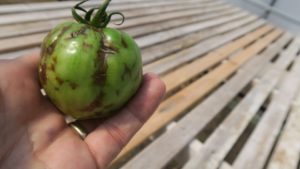
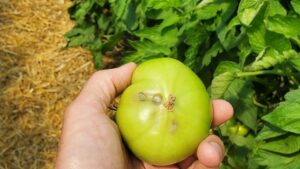
Do your tomato leaves or fruit appear damaged? Learn more about what it means and what to do.
Research digs into how equipment cleaning could prevent spread of the parasitic weed branched broomrape.
Lipman Family Farms pays respects to its former CEO and longtime Board Chairman, Larry Lipman.
University of Florida researchers have developed a tomato with significantly higher levels of beta-carotene, aiming to combat global vitamin A deficiency.

Explore where modest, targeted investments tend to separate high-yield tomato tunnels from the rest, based on a regional grower survey.
Disease pressure, market expectations, and localized trialing are pushing vegetable breeders to rethink where and how tomatoes are developed.
What we’re getting wrong about nutrient uptake and why when nutrients are available matters more than how much is applied.
Researchers at NC State University are developing robotic systems to automate labor-intensive tasks in vegetable production.