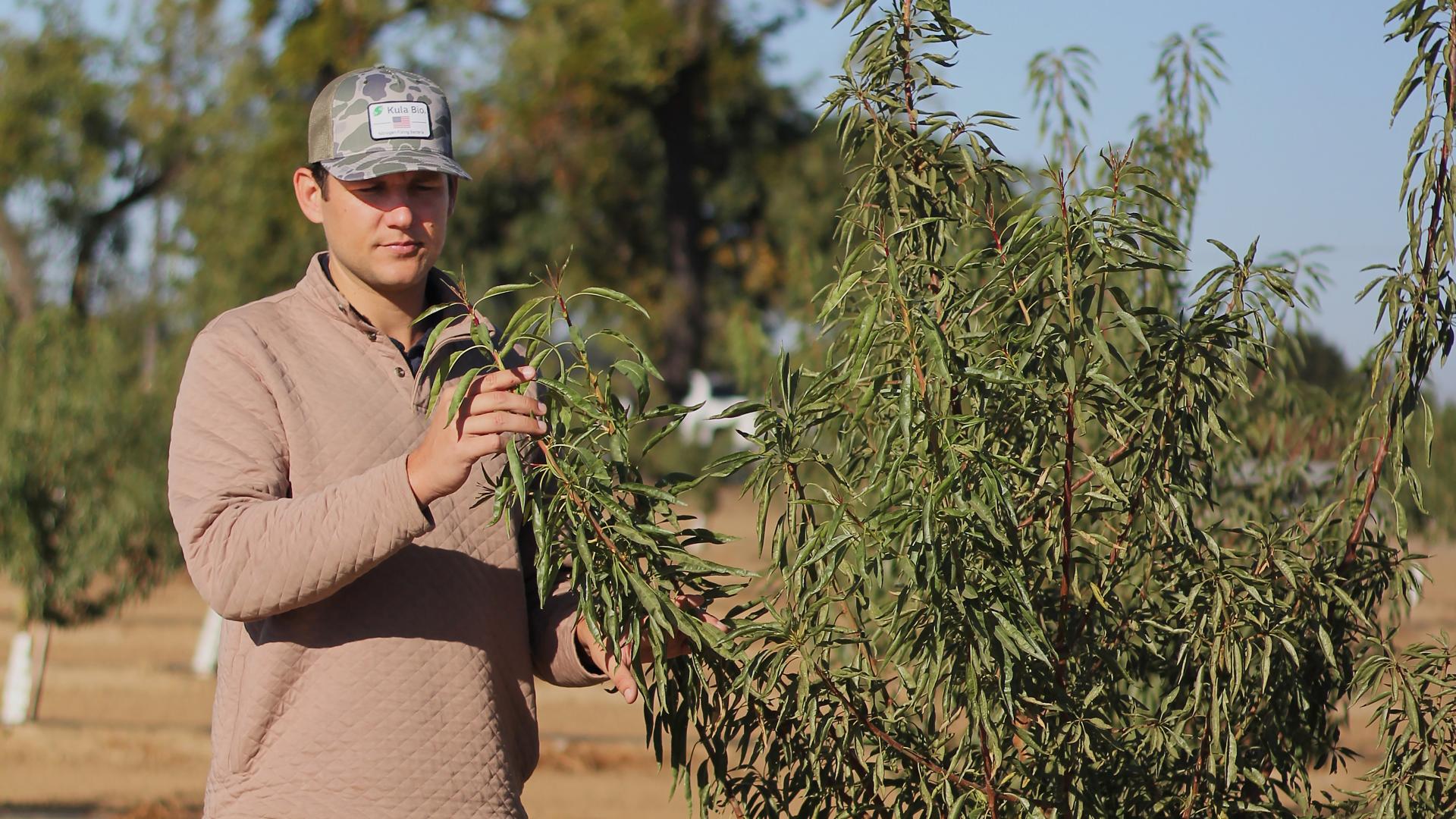
From Grapes to Almonds: Ways One Grower Is Finding Firmer Ground By Crystal Nay|November 5, 2026 After years of uncertainty in other crops, Proplant Transplanting is taking a measured approach to almonds.Read More
Researchers Get Big Support to Explore Laser Weeding in Organic Vegetables By Michigan State University AgBioResearch|November 9, 2026
What Growers Should Know About Whole-Farm Revenue Protection By Thomas Skernivitz|November 3, 2026 Whole-Farm Revenue Protection offers another way to manage risk. Learn how it can benefit your growing operation.
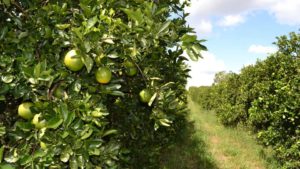
How to Plan a More Efficient In-Season Nutrition Program for Your Citrus Crop By Abe Isaak, AgroLiquid|November 2, 2026 There are ways growers can stretch input dollars with a season-long plan built on efficiency and flexibility.
What El Niño Is Doing to Shape NOAA’s Latest Winter Outlook By Paul Rusnak|October 31, 2026 Effects of El Niño are already being felt by many via extreme weather events. What’s to come this winter? See what NOAA’s forecast has to say.
Are Faster Growth Rates to Blame for Bitter Pit in Apples? By Society for Experimental Biology|October 30, 2026 New research reveals that faster growth rates in ‘Honeycrisp’ apples increase both the incidence and severity of bitter pit disorder.
Ways a Late Spring Freeze Can Impact Your Fall Fruit Crops By Virginia Tech News|October 29, 2026 Virginia Tech researchers are studying several approaches to help growers reduce the effects of freezes on their apple and peach crops.
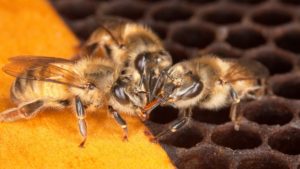
Important Updates for Honey Bee Health and Varroa Management Tool Posted by Growing Produce Staff|October 28, 2026 Free interactive tool from Honey Bee Health Coalition distills product labels into five simple questions.
California Table Grapes Positioned for Strong Finish to the Year By California Table Grape Commission|October 28, 2026 Despite an early start to harvest, steady shipments and cold storage supplies are in position to keep California table grapes available for holiday promotions.
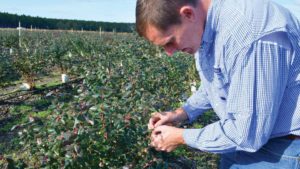
Familiar Territory for New President of Florida Blueberry Growers Association Posted by Growing Produce Staff|October 28, 2026 Grower Ryan Atwood named President of Florida Blueberry Growers Association’s Board of Directors — a role he knows well.
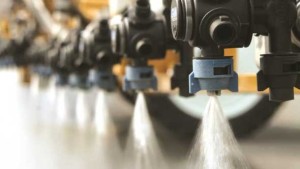
Adjuvants Taking on a New Role Under Endangered Species Act By Thomas Skernivitz|October 27, 2026 EPA’s endangered species rules put drift-reduction adjuvants in focus for managing spray drift and buffer zones.
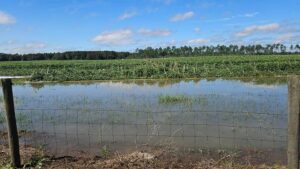
How Florida Farms Weathered Tropical Punch from Hurricane Isaias [PHOTOS] By Paul Rusnak|October 26, 2026 Check out a photo gallery of images captured at several farm operations around Florida’s Panhandle following Hurricane Isaias.
10 Positive Developments Keeping Florida Citrus on the Grow By Thomas Skernivitz|October 23, 2026 Despite another disappointing production forecast, Florida citrus growers have plenty of reasons to believe better days lie ahead.
Kubota Driving New Autonomous Solutions for Specialty Crops Posted by Growing Produce Staff|October 22, 2026 Autonomous M5L tractors from Kubota are expected to be available in early 2027 for orchard and nut growers.
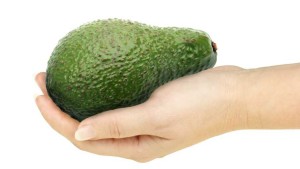
Why a Fortune Magazine Op-Ed Has California Avocado Growers Riled Up By California Avocado Commission|October 22, 2026 California Avocado Commission challenges recently published Fortune opinion piece for ignoring cartel control of Mexican avocado trade.
Distinguished Blueberry Industry Leaders Get Deserved Time in the Spotlight By North American Blueberry Council|October 22, 2026 Recognized for hard work and dedication in the field, find out who was honored during the 2026 Blueberry Convention.
Latest Growing Produce Podcast: Are Robots Ready for Your Farm? Posted by Paul Rusnak|October 20, 2026 In Episode 2 of the Growing Produce Podcast, we explore ag tech adoption and the challenges of moving beyond demos to commercial use.
Farmers Still Assessing Damages in Wake of Hurricane Isaias By Paul Rusnak|October 20, 2026 Amid a historically quiet Atlantic hurricane season, Isaias spins up damages for some Florida farmers and ranchers.
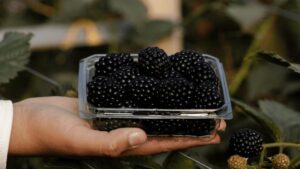
What Growers Should Know About the New ‘Fontana’ Blackberry Posted by Growing Produce Staff|October 19, 2026 ‘Fontana’, the new compact blackberry variety from Pairwise, offers higher planting density and earlier harvests.
Will New HLB-Resistant Rootstock Change the Game for Florida Citrus? By UF/IFAS News|October 16, 2026 Recent EPA approval clears way for company to supply more than 300,000 citrus trees using CarriCea T1, an HLB-resistant rootstock based on research.
Smart Tech Innovate to Grow: Where Capstones Meet the Real World By Crystal Nay|October 16, 2026 UC Merced’s Innovate to Grow program connects student teams with industry partners to tackle real operational challenges.