Insect & Disease Update
USDA-APHIS is expanding the area quarantined for citrus greening in parts of southern California. Find out which counties are affected.
Learn how to advance stress tolerance for plants through seaweed-based biostimulants.
USDA is seeking public comment on petitions to deregulate two fruit selections developed using genetic engineering.
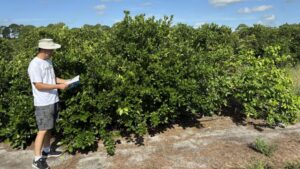
Harvest has begun in the Millennium Block, a seven-year, 5,000-tree research project designed to identify HLB-tolerant citrus varieties and rootstocks.
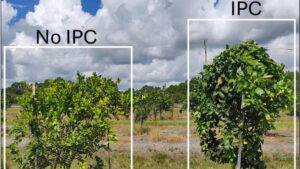
University of Florida researchers are using a combination of individual protective covers and plant growth regulators to help trees survive deadly disease.
USDA-APHIS is taking action because of citrus greening detections in plant tissue samples collected in Riverside and Orange counties.
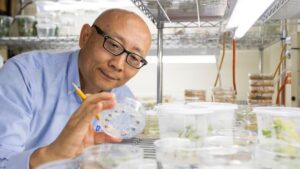
University of Florida researchers are joining forces to wage a high-tech war against plant pests and diseases with citrus greening as top priority.
Boxadon 360 SC insecticide is the first stand-alone post-patent formulation of the active ingredient spirotetramat.
UF/IFAS researchers have developed a plant they’re calling NuCitrus. It’s based on a protein that can help make some fruit more tolerant to citrus greening.

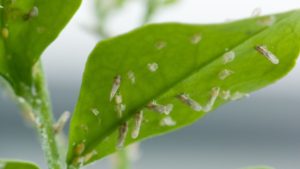
How well do you know your insect pests? This vector is voracious. Take our quiz and test your brain power for bugs.
USDA’s National Institute of Food and Agriculture invests nearly $23 million as part of Emergency Citrus Disease Research & Extension program.
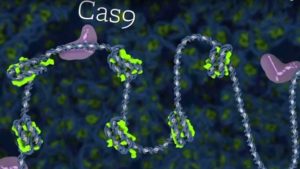
Despite the potential of CRISPR playing a role to solve the citrus greening riddle, consumer perception of genetic editing remains a hurdle.
Researchers explore breakthrough to help thwart citrus greening’s vector via biotechnology.
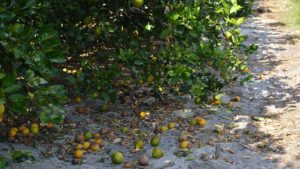
Pathogens responsible for citrus fruit drop identified. And HLB is not among them. Symposium to offer more insight and solutions.
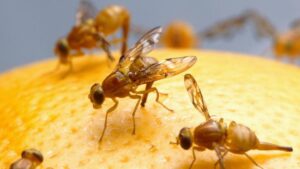
USDA is urging vigilance as Lower Rio Grande Valley is at risk of being infested by damaging fruit pests.
High-tech tools in plant genetics helping researchers get closer to he first commercial releases of orange-like hybrids with HLB tolerance.
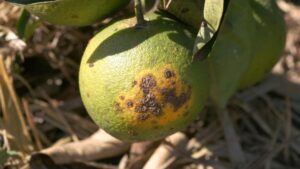
Positive identifications of serious citrus fruit malady prompts action from USDA APHIS and the Texas Department of Agriculture.
Government agency is investing more than $70 million in 374 projects through the Plant Protection Act’s Section 7721 program.
A trio of grants totaling more than $11 million helping scientists focus on instilling disease tolerance below ground and above ground.