




A Solution to Maintaining Yields While Mitigating Fertilizer Costs
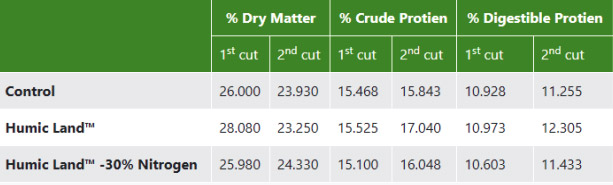
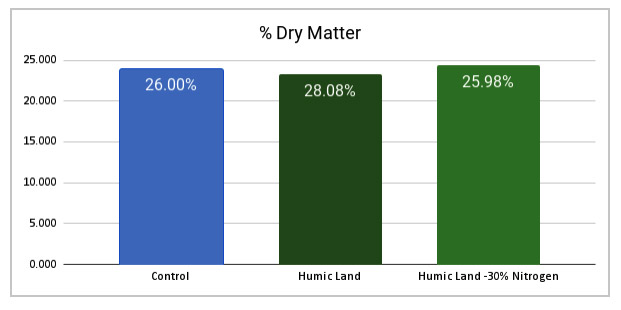
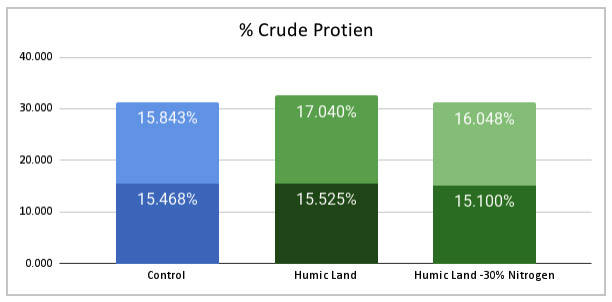
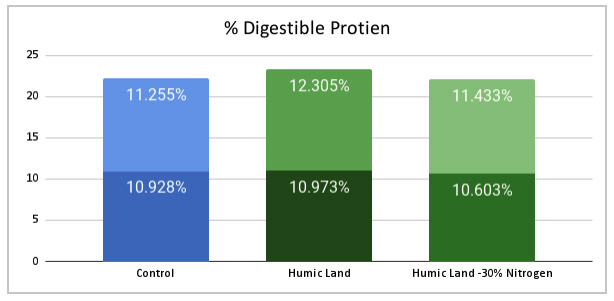
A research trial was conducted in 2021 at the Jemmett Consulting and Research Farm in Parma, Idaho to evaluate the effects of Humic Land™ on Alfalfa during a regular season while focusing on varying chemical fertilizer levels and the effect on yields. Various indicators were tracked during the trial and are represented
here:
- % Dry Matter at each cutting
- % Crude Protein at each cutting
- % Digestible Protein
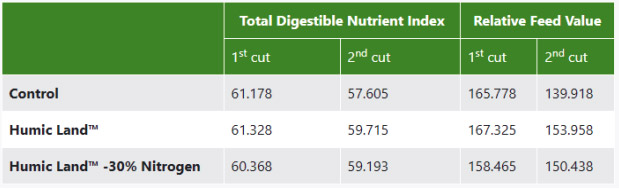
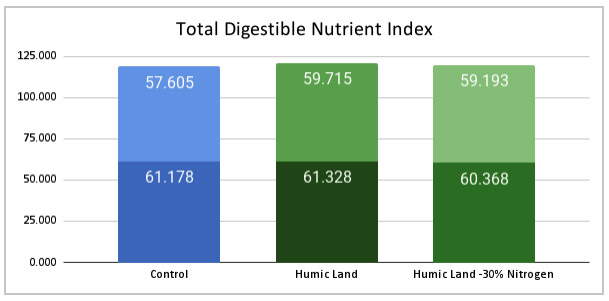
- Total Digestible Nutrient Index
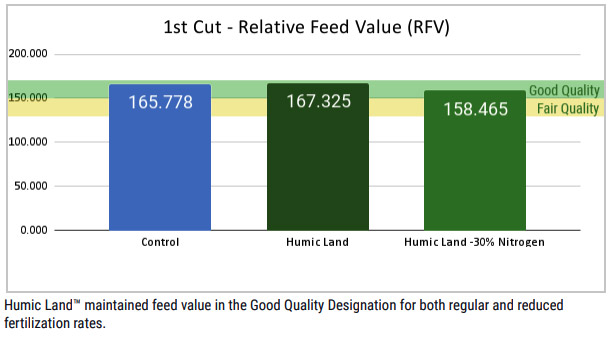
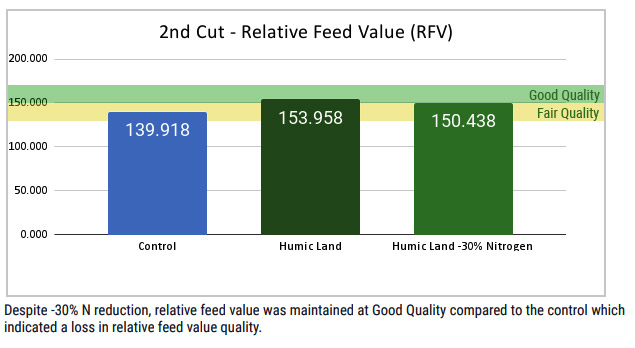
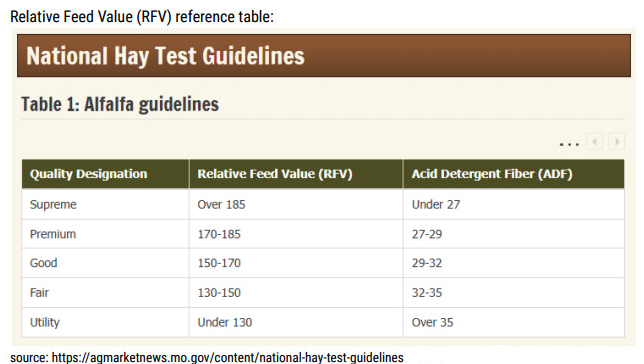
- Relative Feed Value
The type of Alfalfa used is a Non Roundup Ready, MEDSA BDIC Medicago Sativa seed.
Some characteristics about the soil where the trials took place:
- Sandy silt
- 1.2% Organic Matter
- pH 7.7
Humic Land™ application rate was 2 L per acre, diluted in water.
Humic Land™ treatments were applied using a CO2 pressurized backpack sprayer calibrated to deliver 30 Gal/Acre. The treatments were done at the following timings:
- First application – Out of dormancy – April 7th
- Second application – 10-15 days later – April 26th
- Subsequent application – after every cutting – Jun 23rd, Aug 3rd, Sept 15th
Humic Land™ was evaluated under the following two different scenarios:
- Regular fertilization (80 units) + adding Humic Land™
- -30% N reduction applied fertilization (56 units) + adding Humic Land™
Humic Land™ is a soil amendment that originates from a sustainable peat extraction; using a process of fine grinding and cavitation, and without any added chemicals used in the production process.
Humic Land™ offers the soil smaller particles of active dissolved humic acid substances, increasing the permeability of the cell membranes and optimizing nutrient uptake. That translates into a direct effect on the plant’s capacity to photosynthesize.
Healthier biologically active soil means a reduced dependency on chemical inputs while benefiting growers with higher yields.
Some essential points about Humic Land™:
- Humic Land™ is OMRI listed.
- Humic Land™ works through all irrigation systems.
- Humic Land™ is a unique combination of essential elements that improve soil health, soil structure, and water retention.
- Humic Land™ increases nutrient uptake, vigor, root mass, and foliar growth.
- Humic Land™ regulates soil pH at 5.2 – 6.2.
- Humic Land™ promotes beneficial microbial development directly at the plant’s rhizosphere.
Humic Land™ should be applied three times over a crop’s growing season for optimum results.
Humic Land™ promotes microbial activity which has a direct effect on the rhizosphere and the plant’s capacity to create symbiotic relationships with the soil’s beneficial biology. This advantage coupled with the soil’s increased capability to retain water and nutrients permits for greater efficiencies in fertilizer usage.
“The alfalfa trial was placed into an existing 2nd year stand of conventional non roundup ready alfalfa that was furrow irrigated.
Extremely dry spring and winter conditions caused slow spring growth affecting replications 3 and 4 the most with drought stress and slower growth until irrigation could start.
The 1st and 2nd cutting are much later than normal due to out of dormancy slow growth and extreme temperatures of 100F and greater starting in June and going through August. These conditions were seen throughout the Pacific Northwest and have caused the largest shortage and highest prices for hay on record.
By the first of August water was being restricted and the 3rd cutting data was too inconsistent to use. Samples of all the cuttings were sent to western laboratories for feed analysis.
Humic Land™ treatment (3) with reduced nitrogen was not significantly less than other treatments with more nitrogen.“
– Eric Jemmett | Jemmett Consulting and Research Farm in Parma, Idaho
Key Takeaway from the Trial
The Grower was able to maintain the relative feed value while reducing the fertilizer cost by -30%.
A significant difference was abundantly clear on the 2nd cut when the control group fell into the “fair” quality designation, while both Humic Land™ groups remained in the “good” quality designation.
This suggests that growers can maintain their yields while mitigating significant costs on inputs. Thus protecting their investment and their profitability during a time when there is a trend of increasingly higher costs of fertilizer with no clear end in sight.