White House and USDA recognize 15 individuals who represent the next generation of farming and ranching.
Congress allots $200 million for research funding to be matched by non-federal dollars.
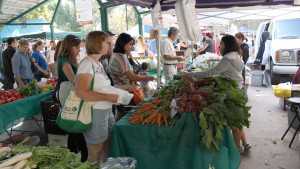
Agriculture Secretary Tom Vilsack declares dates to celebrate U.S. farmers markets
Participants in Agriculture Risk Coverage or Price Loss Coverage are subject to acre-for-acre payment reduction when fruits, nuts, and vegetables are planted on payment acres.
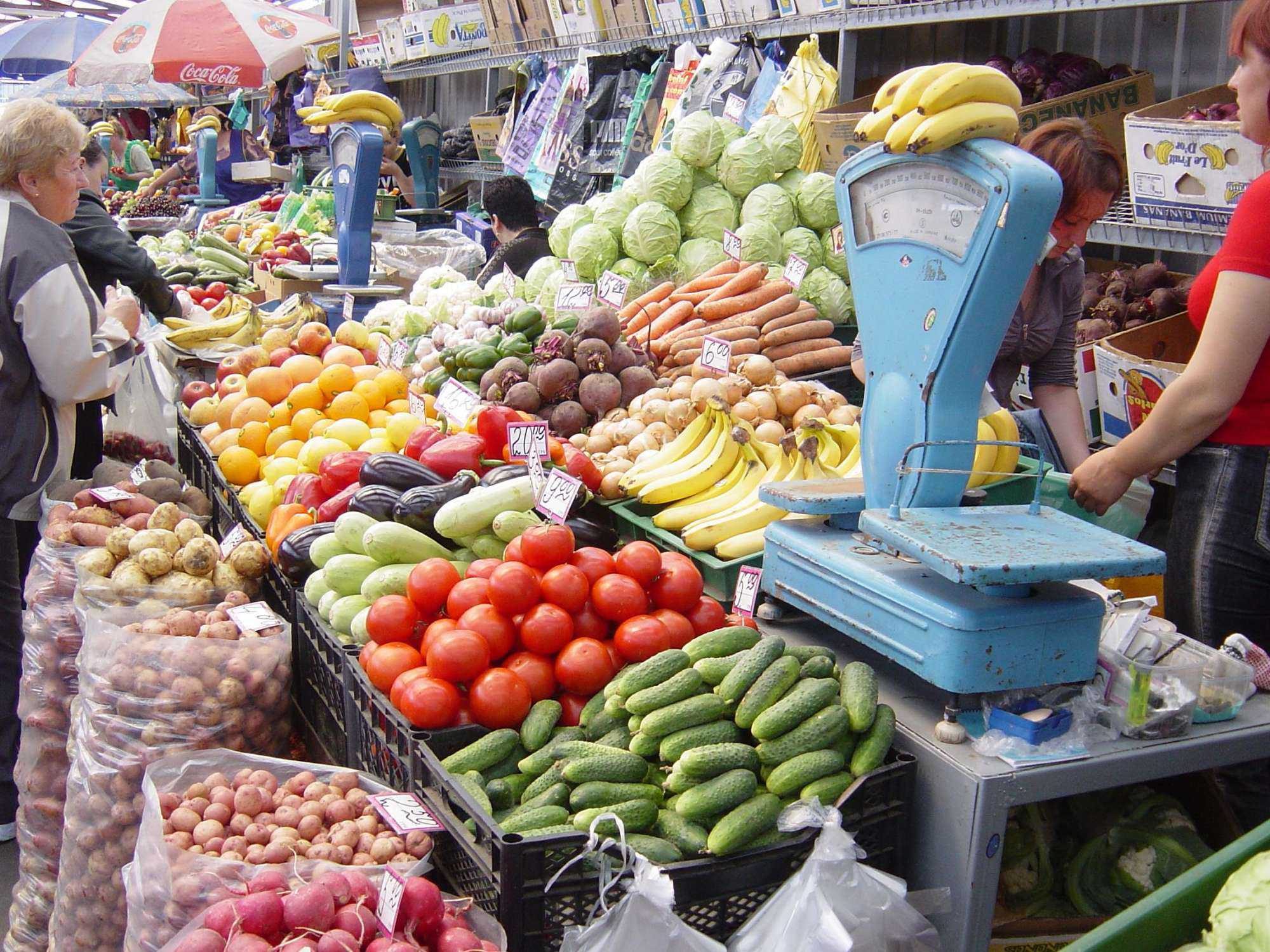
Organization working with USDA to offer ranges of variety and price options.
Whole-Farm Revenue Protection will provide flexible coverage options for specialty crop, organic, and diversified crop producers.
It is hoped that with approximately $66 million in Specialty Crop Block Grants, research will be conducted to find new weed control and fumigant options.
New programs authorized by the 2014 Farm Bill at Pennsylvania orchard will support outdoor recreation activities, boost economy.
USDA announces the availability of the funds to state departments of agriculture for projects that help support specialty crop growers through research programs.
2014 Farm Bill enables record USDA investments in rural water systems
More than $19 million being offered through the Beginning Farmer and Rancher Development Program.
Growers in additional counties now eligible to apply for funding with expanded primary natural disaster designation and additional contiguous counties.
Amendments define size of bulk containers, exempts apples shipped to Canada in bulk containers from inspection.
Protection against exotic fruit flies in California and honey bee sampling for pests and diseases are two funded initiatives.
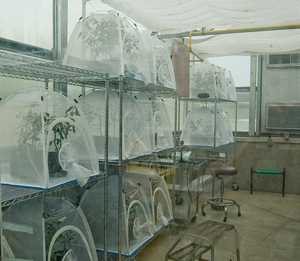
American Fruit Grower talks with Tracy Leskey, the USDA scientist based in Kearneysville, WV, who is leading the national team of scientists battling the brown marmorated stink bug.
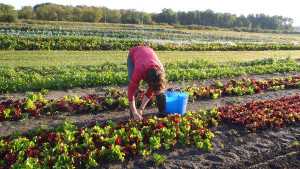
Organic vegetable farm uses conservation to make each acre count.
The goal is to help growers build stronger businesses, grow their operations, and reach larger markets.
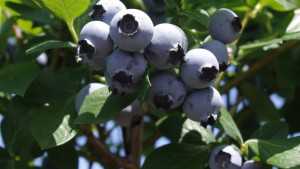
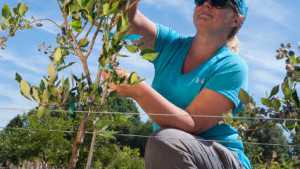
An Oregon State University researcher is aiming to lower production costs for growers by creating a new kind of blueberry that develops as a tree instead of the traditional bush.

Funding will be provided through the Environmental Quality Incentives Program.