



The Latest Innovations in Vegetable Planters and Transplanters
Modern planters and transplanters are incorporating innovations such as automated depth and spacing control, smart sensors for real-time data, and AI-powered monitoring to optimize seed placement and emergence. Advances like these are improving efficiency, reducing labor needs, and enhancing sustainability in agriculture.
Haggerty AgRobotics Company’s innovations include placed seed population sensors that generate real-time maps, allowing growers to track and optimize their planting with precision.
“We have brought in a single row bulb planter, mounted it on a robot and used it for bulb planting of onions and garlic. We’ve noticed great success with this strategy,” says Chuck Baresich, Haggerty AgRobotics Company.
While ReEnvision Ag’s SeedSpike focuses on quickly and accurately planting seeds. “The proprietary design keeps the dibble from becoming plugged while ensuring great seed to soil contact, combining operations to increase speed, accuracy, and efficiency of planting,” says Jayson Ryner, ReEnvision Ag.
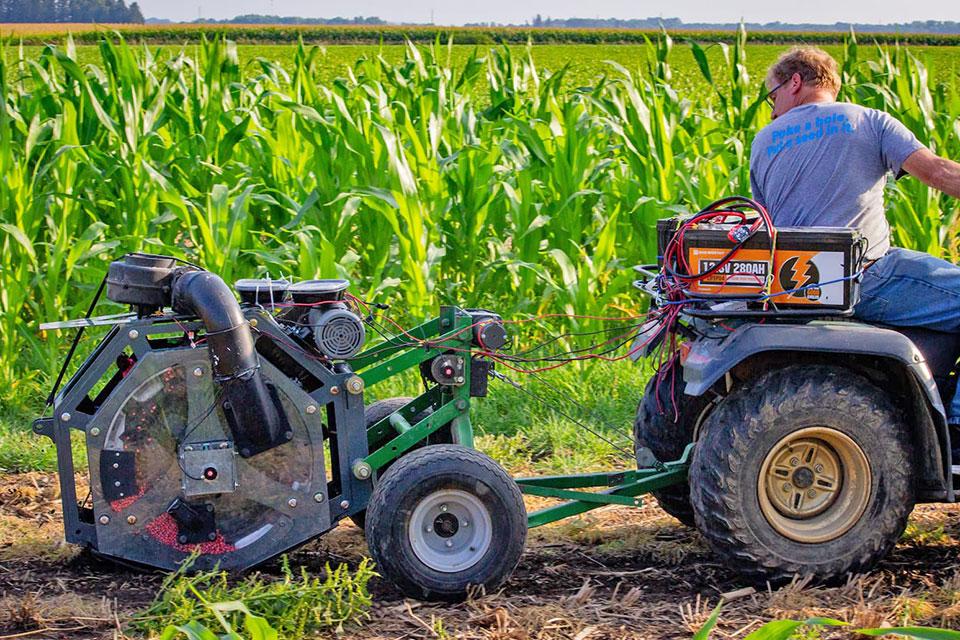
Photo courtesy of ReEnvision Ag Inc.
Tilmor recently added Wizard vacuum planting systems which allows for more precise, consistent planting than a mechanical seeder because the vacuum creates better singulation and less clumping.
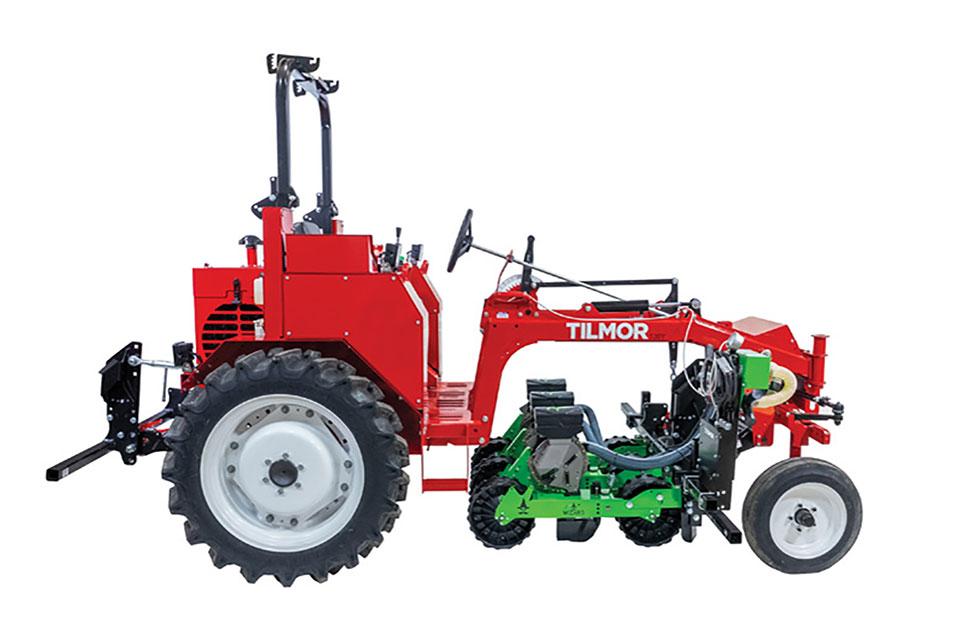
Photo courtesy of Tilmor
“There have been two advancements at Pueher AgCo over the last two years that have helped us improve population spacing and depth of planting. The latest advancement is our foliage guide system which shields the foliage from wind and helps weak plants make it from the robot down to the planter row unit,” says Eric Puehler, Puehler AgCo, Inc.
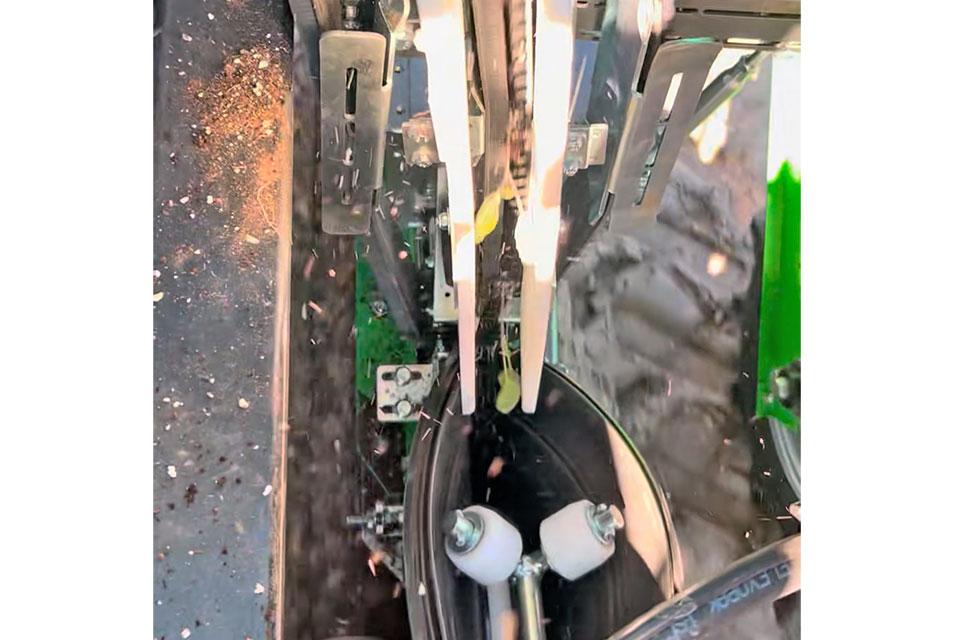
Photo courtesy of Puehler AgCo Inc.
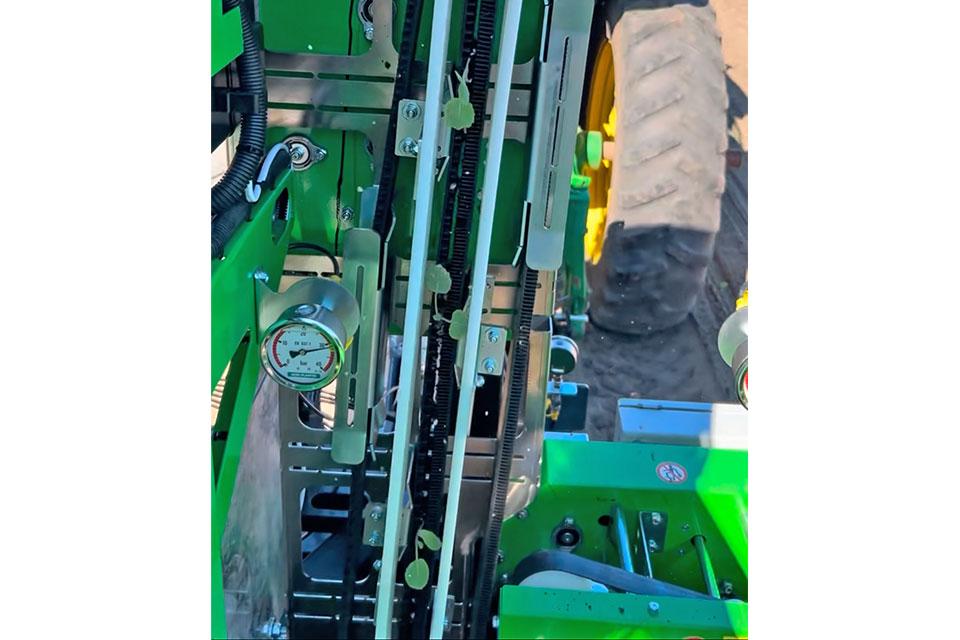
Photo courtesy of Puehler AgCo Inc.
Sutton Agricultural Enterprise have incorporated cameras on the seed plates that allows the operator to see the seed on the plate, ensuring planting performance and success.
Building on these advancements, the latest models tackle growers’ challenges by enhancing efficiency and performance in the field. These advancements are especially important as growers face challenges such as labor shortages, data collection, and planting accuracy.
“Facing raising costs across the supply chain, the new innovative features allow growers to plant more efficiently with seed savings, accurate spacing, and consistent planter performance,” says Joseph Sutton, Sutton Agricultural Enterprises
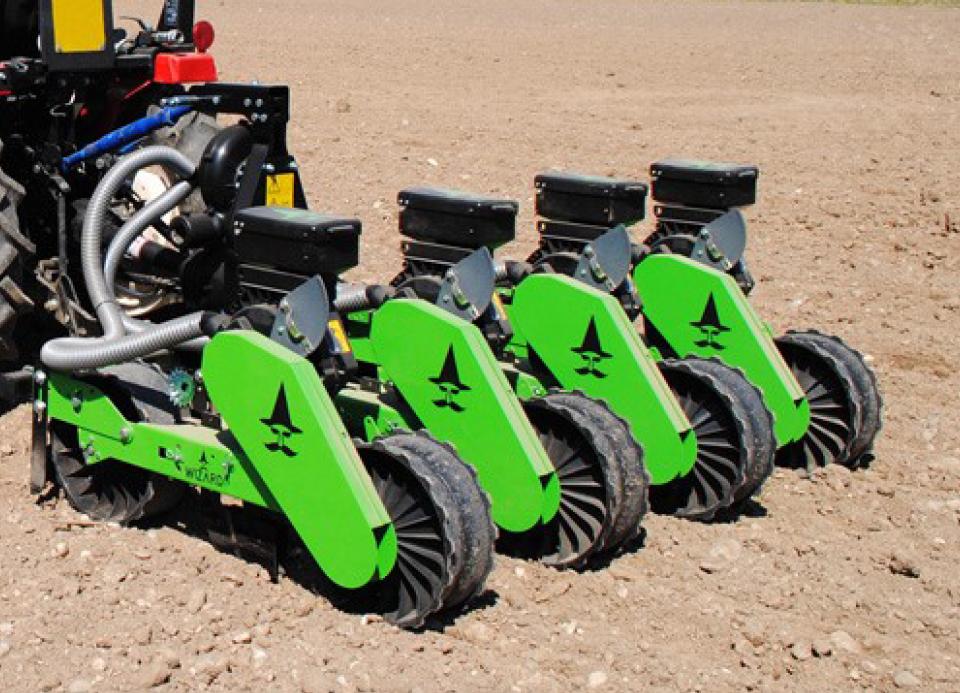
By selecting exact spacing and seed depth, planters can increase land use efficiency, reducing labor and time necessary to plant market gardens, flower beds, and row crops. “We enable the future adoption of autonomous machines for planting, further reducing labor costs and increasing farmer capacity,” says Ryner.
Given the high costs and time investment of planting, ensuring accuracy from the start is crucial to avoiding wasted effort and resources.
“Market growers are planting expensive seed that need to be planted accurately. Many traditional mechanical planters can drop doubles or skip spaces when using small or irregularly shaped seeds,” says Emily Horst, Tilmor.
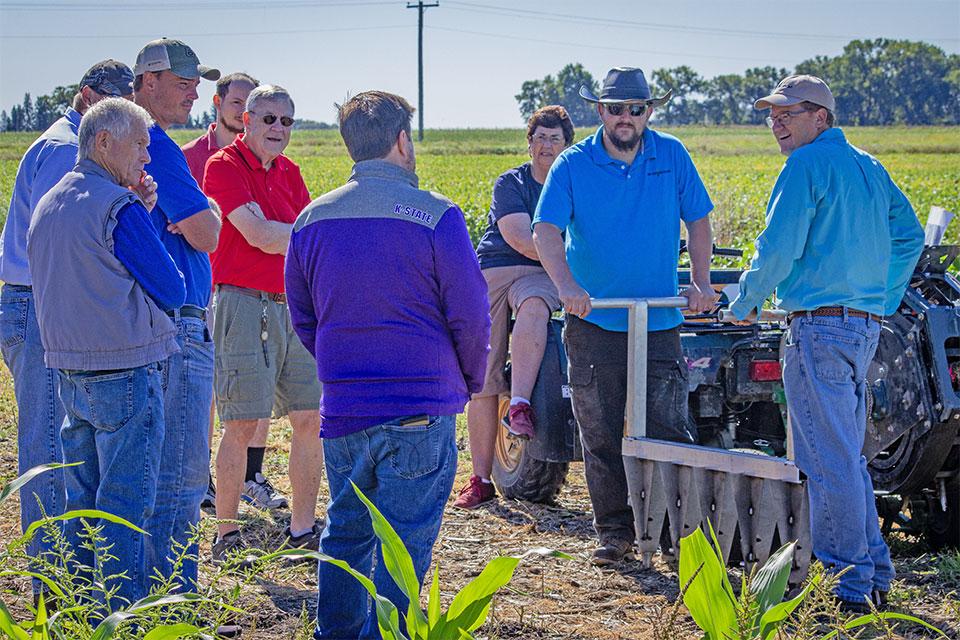
Photo courtesy of ReEnvision Ag Inc.
Companies in the planter and transplanter industry are facing challenges such as labor shortages, planting accuracy, and data collection. They are addressing these issues through advanced technologies and automation upgrades to their systems.
“Labor, land efficiency, weed control. We address these by making a planter that is faster, more accurate, can plant through plastic mulch and pokes down through organic mulch without disturbing it,” says Jayson Ryner, ReEnvision Ag.
The returns are low for producers, making it difficult for them to upgrade equipment as they don’t have the financial resources. “The risk of changing from existing equipment is very high – farmers are nervous about switching from what they are used to,” says Chuck Baresich, Haggerty AgRobotics Company.
The returns are low for producers, making it difficult for them to upgrade equipment as they don’t have the financial resources. “The risk of changing from existing equipment is very high – farmers are nervous about switching from what they are used to,” says Baresich.
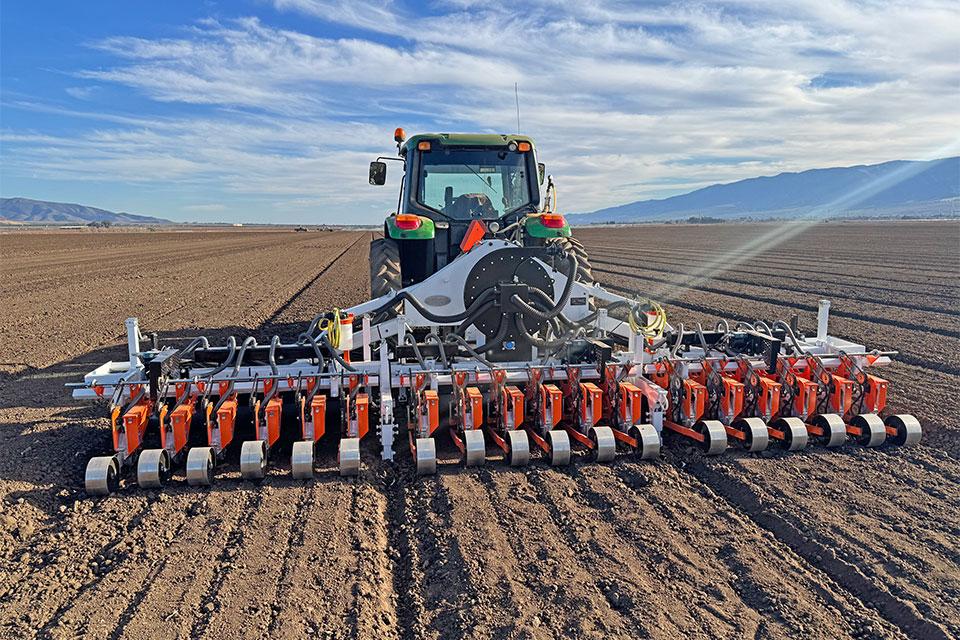
Photo courtesy of Sutton Ag
These advancements are helping growers tackle current challenges and optimize their planting operations.
“We see many planter and transplanter businesses focusing on the large-scale grower. Tilmor is happy to offer solutions that meet the needs of diversified vegetable growers, regardless of their scale and help them become more efficient,” says Emily Horst, Tilmor.
Subscribe Today For
