




Improve Soil Biology to Increase Profitability
The more life in your soil, the better your crops will thrive. Soil biodiversity is the key to improving nutrient cycling, crop fertility, and water efficiency saving growers on inputs and increasing profits.
The use of biostimulants in agriculture has gained significant traction due to their potential to enhance crop yield, improve soil health and reduce dependency on chemical fertilizers. Published research has shown that live green algae, uniquely Chlorella vulgaris, to be a particularly effective biostimulant having a significant impact on soil microbial activity, plant growth and overall farm ROI.
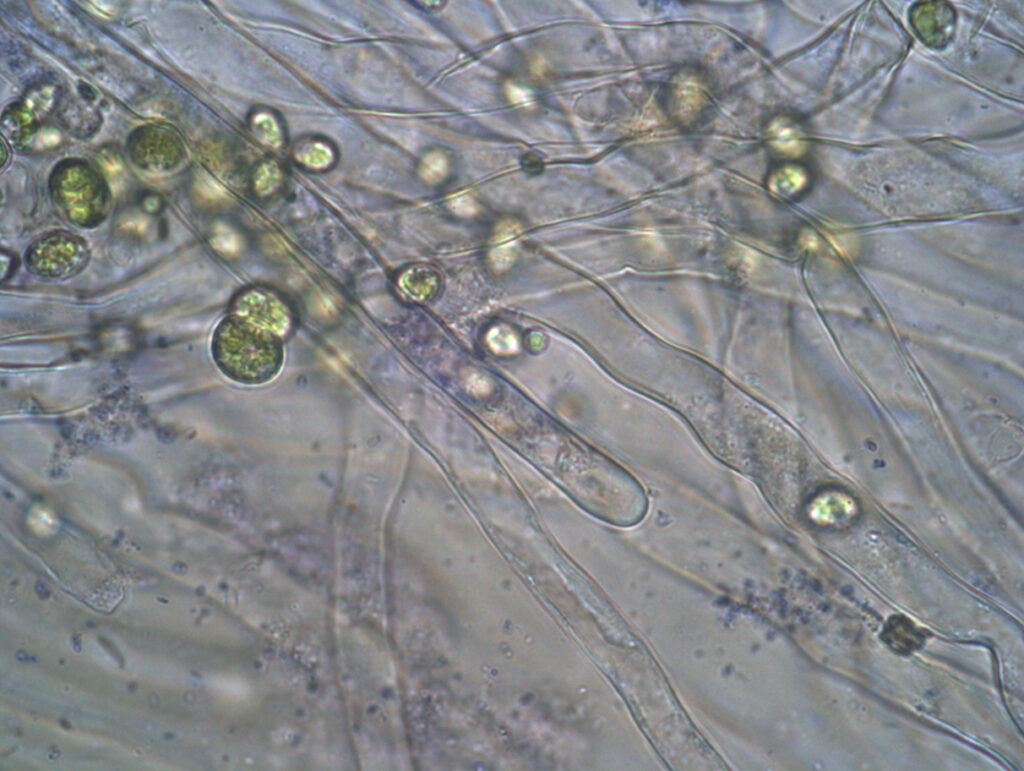
Chlorella vulgaris
Chlorella vulgaris are living green algae microscopic, freshwater organisms capable of surviving in soil. Unlike larger seaweeds, green algae are more suited for agricultural applications due to their adaptability and symbiotic relationship with soil microorganisms. Extensive research and field trials have proven that live green algae significantly boosts soil organic matter, microbial biomass and it does this because as a biostimulant it stimulates the biology that is already in the soil.
Having been researched for over forty years, live cell green algae is unique among the types of biostimulants currently available such as humic and fulvic acids, sea-weed extracts, microbial inoculants, and protein hydrolysates containing phytohormones. The first reason is that Chlorella vulgaris is living biology, while the others are not, which is of paramount importance in the potency and efficacy of biologicals. And while these non-living biostimulants provide diverse benefits, not a single one can offer all the comprehensive range of benefits and advantages that live cell green algae delivers:
- Enhanced plant growth and yield across various crops
- Reduced dependence on chemical fertilizers (NPK)
- Improved soil fertility, organic matter and microbial mass
- Increased leaf chlorophyll content, which translates into increased photosynthetic capacity
- Enhanced plant resistance to abiotic stresses such as drought and salinity
- Potential increased resistance to plant pathogens due to improved plant vigor
A BREAKTHROUGH IN LIVING BIOSTIMULANT TECHNOLOGY
Historically, the challenge of maintaining live algae viability during storage and transport has hindered their widespread use. Green algae, like most plants, are usually dependent on photosynthesis to maintain life; they die when placed in dark storage.
Living organisms feed themselves in one of two ways: either by producing their own food via photosynthesis — like green plants and algae — or by finding it outside of themselves, like animals and bacteria. Those that photosynthesize are called autotrophs (auto = self, troph = feeding), while those that scavenge or hunt for food are called heterotrophs (hetero = other). And there is a third category known as mixotrophic, an organism which can switch between autotrophic and heterotrophic metabolism.
Scientists with EnSoil Algae™ have now introduced mixotrophic Chlorella vulgaris which can photosynthesize in light and consume organic material in darkness, allowing them to remain viable during transport and for over a year in dark storage. This patent-pending technology doesn’t use any commercial or laboratory gene-altering techniques — i.e., it doesn’t rely on genetic modification as the heterotrophic pathway is already present in green algae. EnSoil Algae™ technology activates that pathway to produce mixotrophic chlorella.
REDUCING THE NEED FOR SYNTHETIC NPK
One of the most important benefits of live green algae is that it can be used to lower synthetic nitrogen inputs. “Where will the nitrogen come from you ask?” The answer is that EnSoil Algae™ amplifies nature’s process of extracting nitrogen from the air and converting it into ammonium compounds in the soil. One gram of healthy soil contains some 10 billion bacteria, fungi and other organisms that work together to make this conversion — and live green algae accelerate this process known as nitrogen fixation. In addition, rhizospheric bacteria produce weak acids that solubilize soil-bound phosphorus, making it available to roots.
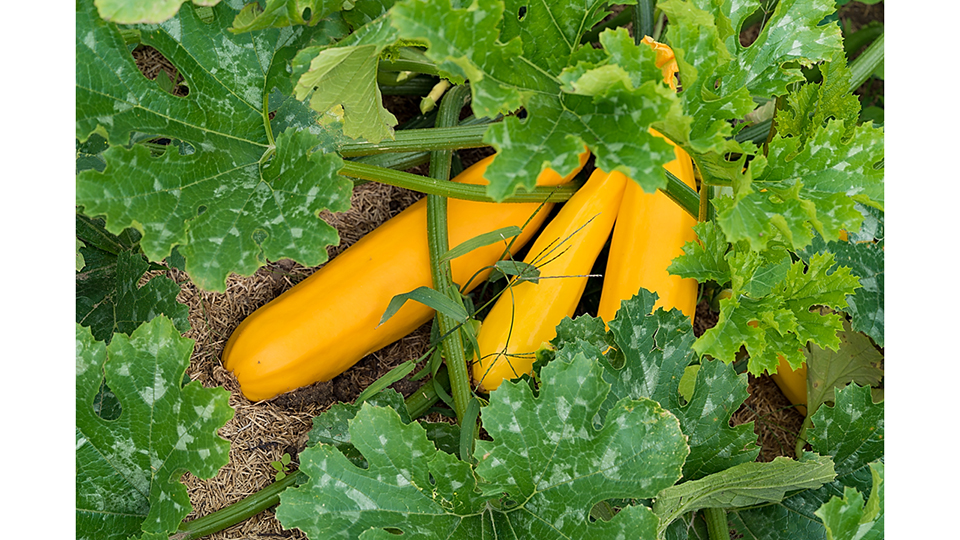
Clemson University Study
This especially happens when these bacteria are stimulated by a biostimulant like Chlorella vulgaris. Soil testing after the application of EnSoil Algae™ has even demonstrated excess nitrogen after harvest — nitrogen that is available for the next growing season. This means that growers can reduce their use of synthetic NPK fertilizers. And because EnSoil Algae™ is applied at much lower rates and at a much lower cost than synthetic NPK, growers can realize savings of 20% – 75% in fertilizer costs, enabling them to increase their profitability. A Clemson University field trial and research study on summer squash using 75% less NPK fertilizer than the usual amount plus foliar application of EnSoil Algae™ resulted in a 46% increase in crop weight.
Biostimulants like Chlorella vulgaris make sense because they can lead to significant agronomic and economic outcomes that deliver a better return on investment than synthetic NPK. To learn more, download this free White Paper on Enhancing Soil Microbial Activity on Your Farm. EnSoil Algae™ is a product of Enlightened Soil Corp, a South Carolina public benefit corporation. www.ensoilalgae.com.