



What Good Bugs are Best? The Most Valuable Insect Predators for Your Orchard
Just as human diners select restaurants based on what is on the menu, insect predators choose pear orchards based on the delectable pests that reside there. Findings presented by USDA-ARS Research Entomologist Rebecca Schmidt-Jeffris during Washington State University’s annual Tree Fruit Days in January revealed “rockstar killing machines” and surprising underachievers among pear pest predators. Pear growers, in turn, should consider fine-tuning their biological control strategies.
Conducted over two years (2022-2023) in commercial pear orchards in Yakima, Wenatchee and Hood River, the study sought to pinpoint which predators were consuming two major pests — two-spot spider mites and pear psylla — based on DNA in their stomach contents. Some 1,375 predators were gathered and analyzed as part of WSU’s Enhancing Western Orchard Biological Control project focused on ways of enhancing biological control in pear, apple, and walnut orchards.
CONTENDERS AND PRETENDERS
Schmidt-Jeffris stressed that, while the study determined who was eating who, it did not determine how much or when. While somewhat speculative, the findings on specific predator insects is insightful:
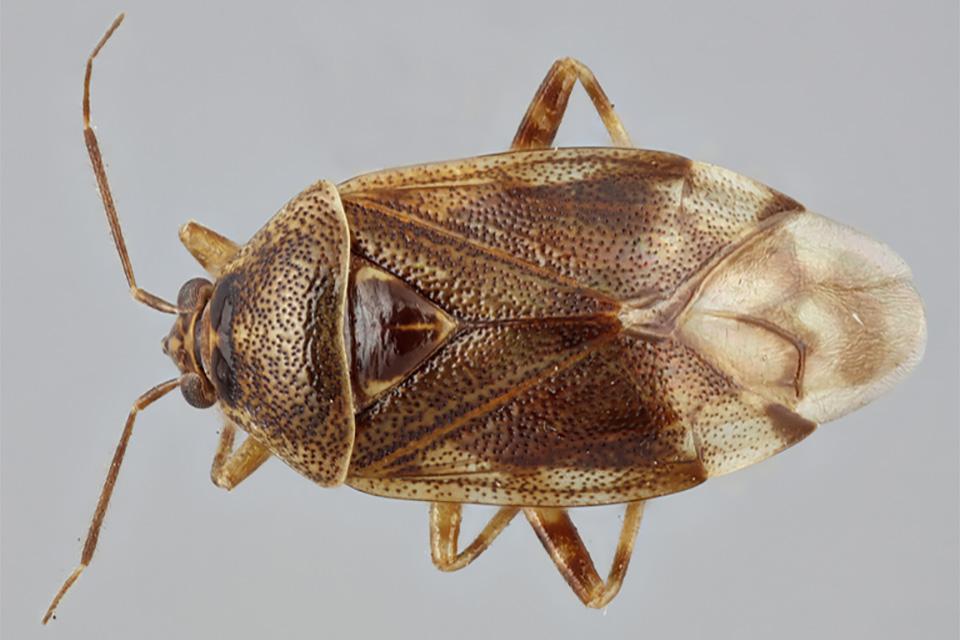
Deraeocoris up close.
Photo by Paul Langlois, Museum Collections, Heteroptera, USDA-APHIS-PPQ, Bugwood.org
Deraeocoris earned bragging rights as the “top bug,” representing more than a third of the insect predators collected (505). Of those tested, 59% had consumed pear psylla and 40% dined on spider mites. “They’re rockstars; a major predator of both pests. Deraeocoris is the first predator growers should add to their orchards.”
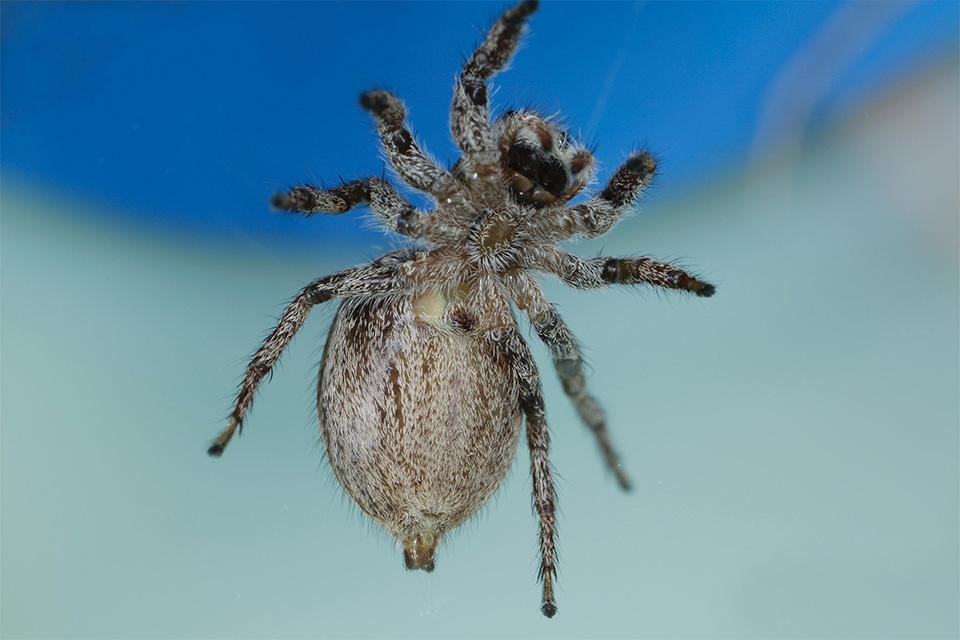
Jumping spider.
Photo by Joseph Berger, Bugwood.org
Spiders came in at No. 2, with 292 collected. The three most important families of spiders for pear orchards are Anyphaenidae, sometimes called ghost spiders; Salticidae, jumping spiders; and Theridiidae, also known as tangle-web spiders. With 24% of spiders testing positive for spider mites and 30% for pear psylla, Schmidt-Jeffris noted that spiders are under appreciated for their voracious appetites.
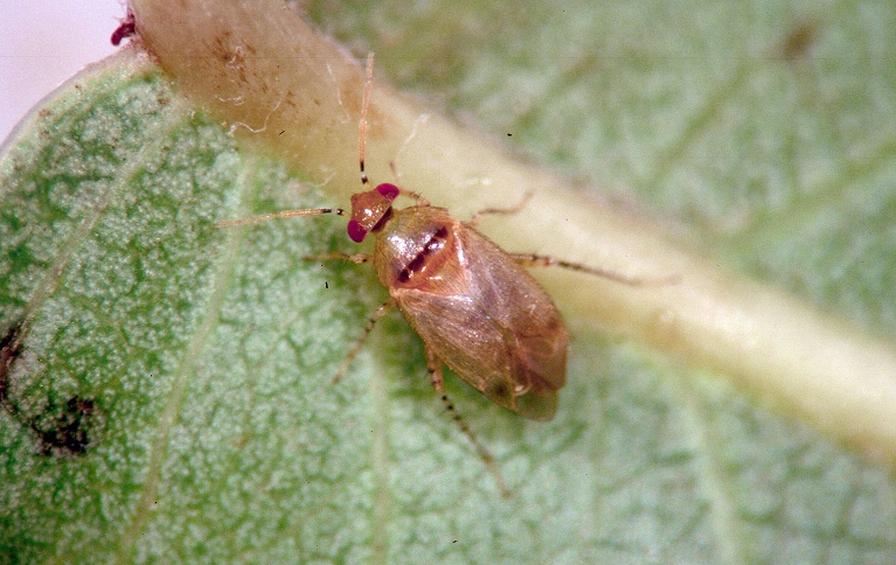
Campylomma up close.
Photo by Bradley Higbee, Paramount Farming, Bugwood.org
Campylomma. While well represented (188) in the study, less than a quarter of their gut DNA — 23% and 24% — included spider mite and pear psylla. “We caught a lot of these, but they had a less than starring role,” said Schmidt-Jeffris.
Anystis, also known as whirligig mites, were cited as “killing machines.” Only 22 were collected for the study, but 45% were found to have consumed pear psylla. “They seem to be fairly important predators, but that may be in response to another favorite meal, pear rust mites. While anystis are in an orchard eating rust mites, they’re also eating pear psylla.”
Anystis have been commercially available to Canadian growers for several years. In 2024 they became available in Oregon and will soon be sold in Washington.
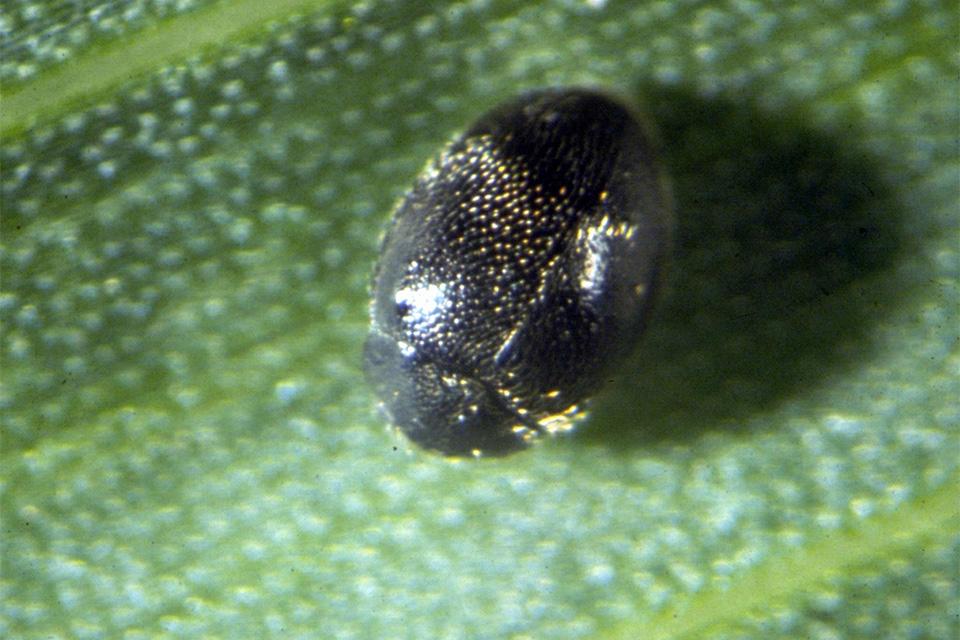
Stethorus, aka, spider mite destroyer.
Photo by F.C. Schweissing, Bugwood.org
Stethorus, known as spider mite destroyers, did not live up to their name in this study. Of the 161 collected, only 22% had spider mite DNA in their guts, and just 1% had pear psylla DNA. “I was a little surprised these predators aren’t more dominant,” admitted Schmidt-Jeffris. “There is a caveat. If they were eating spider mite eggs, it’s harder to detect because of the minimal DNA.”
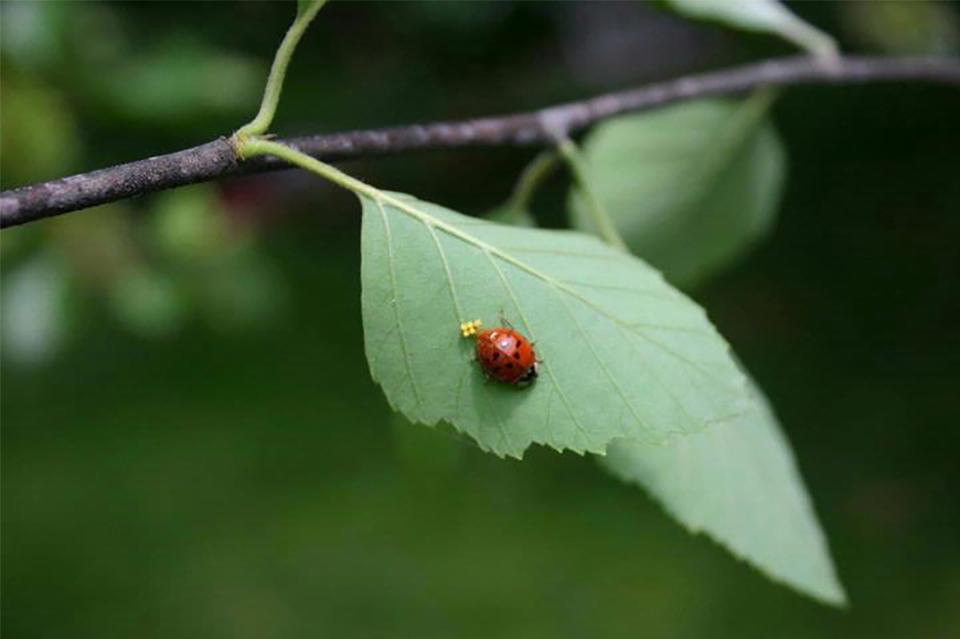
Lady beetle.
Photo by William Fountain, University of Kentucky, Bugwood.org
Ladybugs, though popular, were surprising underachievers in pear orchards. Of the 38 collected, only 17% had spider mite DNA and 25% had pear psylla DNA. Deemed relatively unimportant in pears, it appeared that ladybugs prefer crops with aphids.
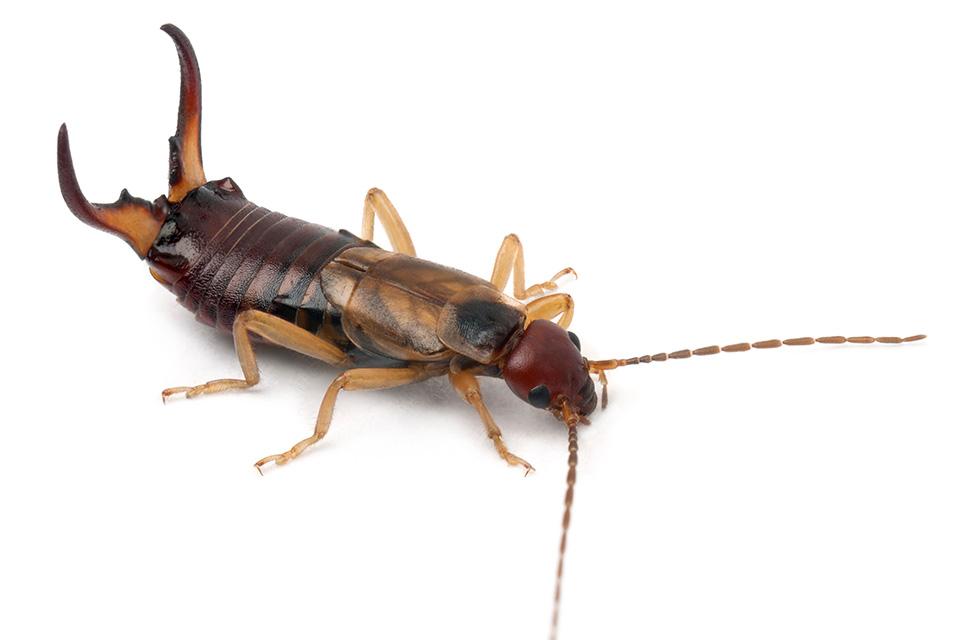
Earwigs have great potential for pest control.
Photo by Eric Isselee, Adobe Photostock
Earwigs were under-sampled in the study with just 34. Their preference is pear psylla, with 29% having consumed this pest. Only 3% had spider mite DNA in their guts.
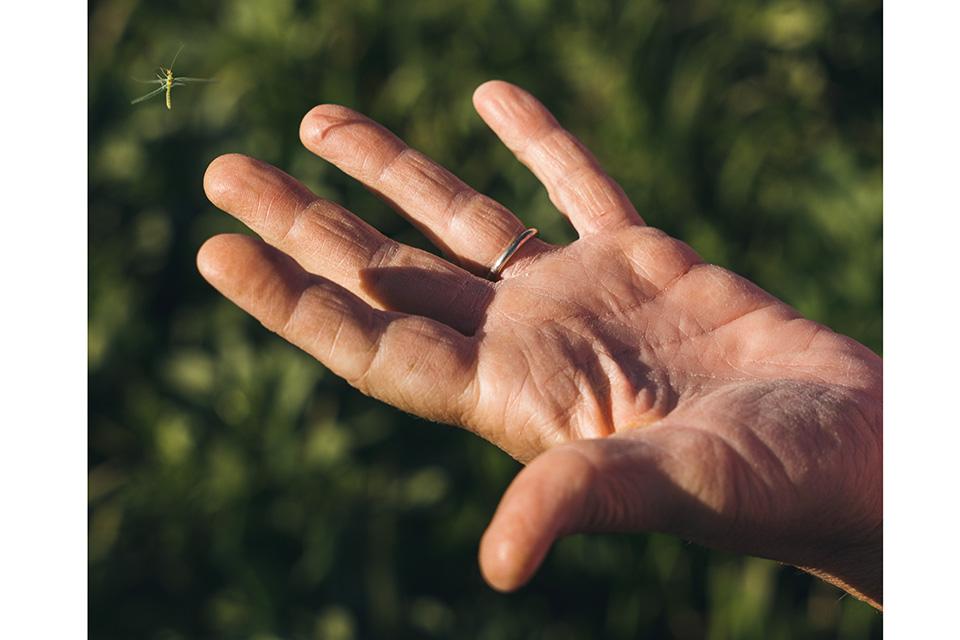
Lacewings target a lot of common insect pests.
Photo courtesy of Taylor Farms
Lacewings were characterized by Schmidt-Jeffris as being charismatic as well as sneaky.
There are several types of lacewings, which dictates their dietary habits. Forty-two Chrysopa lacewings were included in the study, of which 21% had spider mite DNA in their guts and 52% had pear psylla. The 36 Chrysoperla in the study had 31% spider mite DNA and just 14% pear psylla. Chrysoperla only eat larvae and as such are less effective predators.
KEY TAKEAWAYS
Schmidt-Jeffris could not help but celebrate the over-achieving insect predators. “We really need to give the Deraeocoris trophies and thank them for their hard work. A single Deraeocoris can consume 200 psylla eggs a day and 400 nymphs over its lifetime. We definitely want them in pear orchards.” She also cited spiders as being “underappreciated for their role in biocontrol.” Lastly, she called out brown lacewings as an unsung predaceous hero.
“If temperatures are warm, brown lacewings are actively eating pear psylla as early as February,” she said. “Overwintering predation by brown lacewings is an invaluable service.”
Subscribe Today For
