



Unraveling the Threads of Labor for U.S. Agriculture No Easy Task
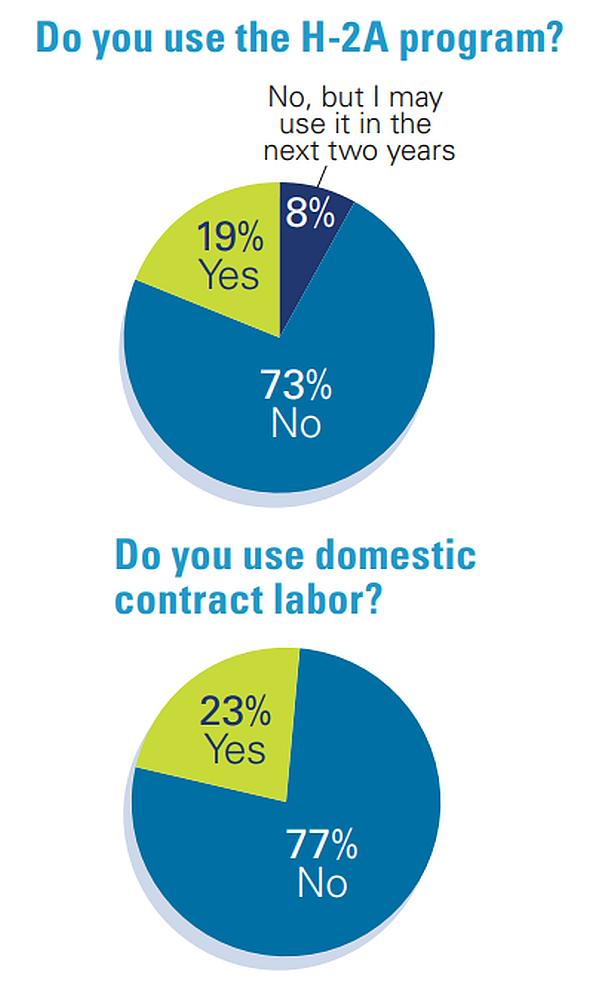
In this year’s State of the Vegetable Industry report, one theme came through loud and clear: labor remains a pressure point for U.S. agriculture. But growers are adapting. And they continue to embrace H-2A guestworkers, despite the costs.
AEWR Hikes Sting
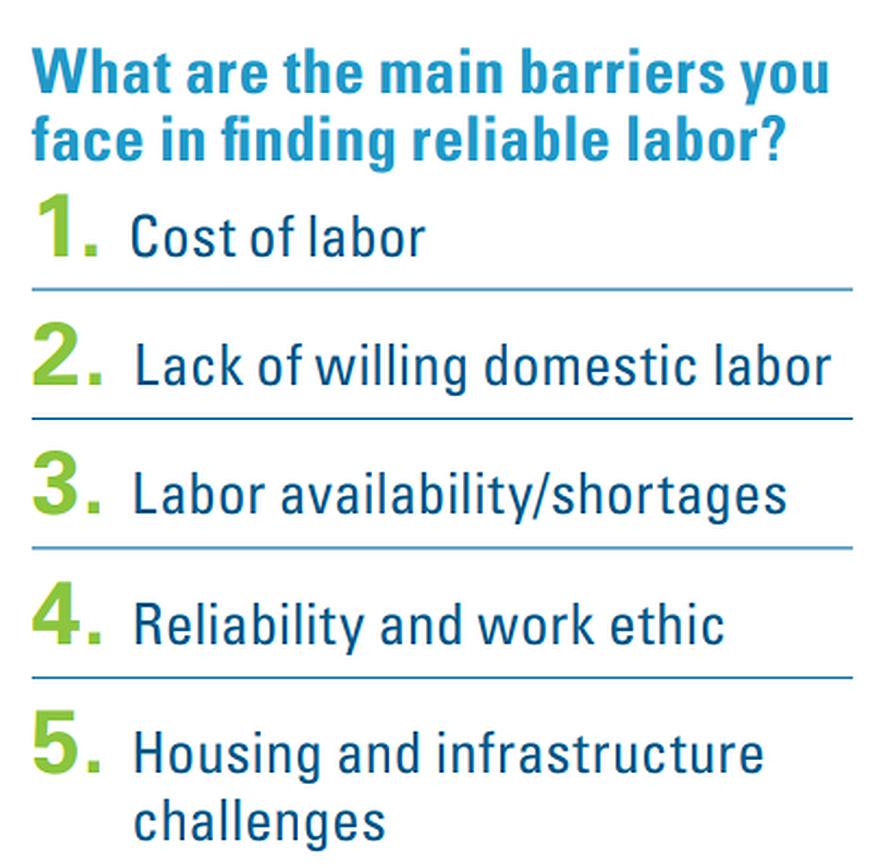
The biggest issue we hear from clients is the rapid government-mandated wage increases through the Adverse Effect Wage Rate (AEWR). Growers have no control over AEWR. As it rose 9% to 20% over the last few years — far outpacing general wage inflation.
“Labor has to stop going up,” says an Illinois vegetable grower in the survey. “Who gets an 8% pay increase? It’s not the farmer.”
The Department of Labor (DOL) sets AEWR based on broad market data, but it doesn’t reflect the costs farmers face. The rate can jump up to 15% from year to year, making budgeting unpredictable.
Beyond wages, growers face high costs for transportation, visa processing, housing, and feeding workers, which can total 30% to 60% of their H-2A expenses. This makes it tough to compete in the international market, since other countries do not impose the same level of costs on their growers for guestworkers.
Growers may limit how much land they can put into production based on labor availability and affordability.
Growers Get Creative in Meeting Labor Needs
Housing remains one of the top concerns for our clients, second only to wage increases. If farmers want to use H-2A, they must provide housing, which is a huge hurdle, particularly for smaller farms. Large farm labor contractors have snapped up what affordable housing remains, often repurposed old motels.
As for the meal requirement, they often bring in food trucks to manage large workforces efficiently.
Small farms simply can’t compete with that. Instead, they end up hiring contractors and paying a premium — sometimes 15% to 30% more — because the contractor already has the housing and labor in place.
Farmers consistently tell us they don’t know what to do about it. There’s room for innovation, and we still have a long way to go.
Political Impact
H-2A usage has slowed only slightly, maybe by a percent or two. Most recent disruptions happened in H-2B including non-ag sectors like landscaping and hospitality, where visa caps cause issues. Under current administration, delays in supplemental visas sparked backlash, but that didn’t affect H-2A directly.
Federal budget cuts have also slowed United States Citizenship and Immigration Services (USCIS) and DOL processing, though we’ve mostly shielded our clients from the worst of it.
Immigration has become so politically charged that there is no clear strategy from the administration on legal pathways like H2-A. Instead, they focus on border security and deportations.
That uncertainty has increased interest in H-2A because growers with mixed legal and undocumented workforce worry about ICE raids wiping out their labor force. I’ve heard from clients who lost huge portions of their crew overnight, and that fear is pushing more growers to try to go by the book.
Meeting Workforce Demand
A major trend I’m seeing is, regardless of the rising demand for labor in agriculture, fewer Americans want to do this work. Labor demand has outpaced national GDP and most other economic indicators over the last five years.
Our goal is to always fill jobs with American workers first. But in practice, if we post 20 jobs, we might only get one applicant. That means We’re having to rely heavily on H-2A to fill the rest. That’s a major challenge for farms and the entire food production system.
The regulatory and bureaucratic complexity includes constant rule changes, extra paperwork, and delays. It can be overwhelming to navigate.
This limits overall growth. Labor availability is no longer just a logistical issue — it’s a production ceiling.
Grower Perspectives on Labor
Stay tuned for more insights from the 2025 State of the Vegetable Industry Survey in the coming weeks.
Subscribe Today For
