


What It Takes To Be a Champion for Ag Labor Reform
 October 2, 2025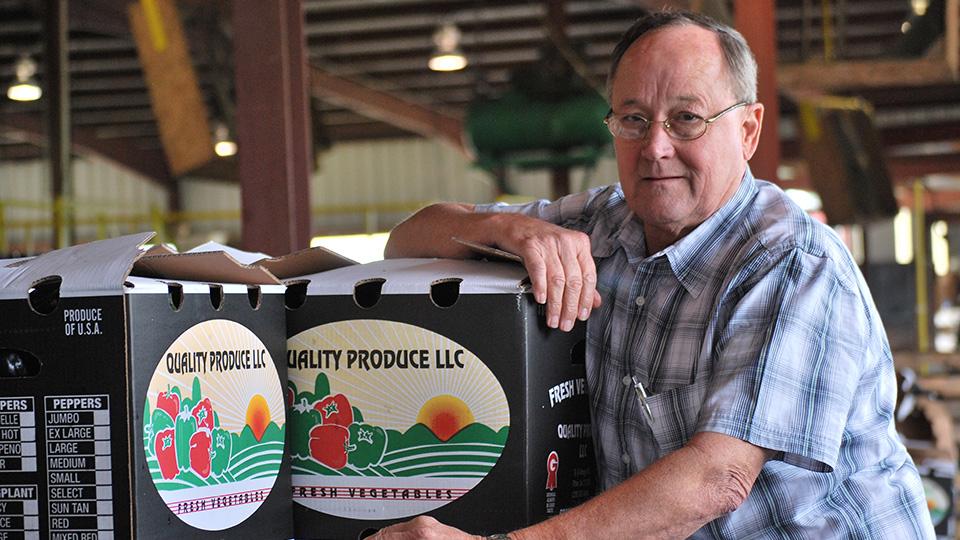
Co-owner Bill Brim of Lewis Taylor Farms. He and business partner Ed Walker have seen a lot in their time since founding the operation almost 40 years agao.
Photo by Pam Carraway
Lewis Taylor Farms, led by Bill Brim, is one of the Southeast’s largest vegetable and transplant producers. Beyond their farming success, Brim has become one of the industry’s most vocal and effective advocates for addressing the farm labor crisis. From congressional hearings to grassroots organizing, his influence has shaped the debate on how America will staff its fields.
Championing H-2A
Early to adopt the H-2A guestworker program, Brim has openly discussed both its value and its shortcomings. His practical insights helped policymakers and fellow growers understand the realities of navigating complex regulations and high costs.
Policy and Advocacy
Brim’s testimony before Congress and work with industry associations made him a go-to voice in Washington. His persistence highlights the grower’s perspective in national debates, ensuring labor reform proposals reflect on-the-ground realities.
Labor on the Farm
Within Lewis Taylor Farms, Brim has tested strategies to retain workers, improve efficiency, and navigate wage pressures, helping the operation remain competitive. His willingness to share numbers and experiences has guided other growers wrestling with labor costs.
By putting labor front and center, Bill Brim and Lewis Taylor Farms have influenced not only policy but also how other growers approach workforce challenges.
In What Ways Has Brim Influenced Policy?
Bill Brim was an early adopter of H-2A, starting in 1997, seeing it as a way to secure a reliable workforce. While he recognized the program’s value, he also pointed out its complexity and cost, shaping broader discussions on how it can be improved.
Through congressional testimony and leadership in associations, Brim became a respected grower voice in Washington. Brim testified before Congress that despite using H-2A for more than 22 years, the program is riddled with costs and red tape, making it an “option of last resort” for growers like him. He told lawmakers that out of nearly 900 certified H-2A positions at Lewis Taylor Farms, only two U.S. workers completed the season — a stark illustration of why labor reform is essential. “A country that cannot feed itself cannot defend itself,” Brim says as he stressed that without reform, America risks losing the ability to grow its own food.
Key Labor Strategies
- Early H-2A Adoption: Among the first in the region to use the guestworker program at scale.
- Policy Advocacy: Brim’s congressional testimony and industry leadership amplified the grower voice nationally.
- Mechanization for Efficiency: Strategic investments to offset rising labor costs.
- Workforce Planning: A data-driven approach to balance seasonal needs with long-term viability.
This is the first in a series of feature articles highlighting influential vegetable growers making an impact.
Subscribe Today For
