


Ways These California Farms Grow Strong With Agritourism
 October 28, 2025
 Considering two of their state’s main economic drivers are tourism and agriculture, growers in California are inherently suited to agritourism. At the same time, any U.S. farmer can benefit from the practice, according to California Grown, the state’s agricultural marketing organization.
“There are many advantages to adding an agritourism aspect to your business, but chief among them is additional and diversified revenue and direct-to-consumer sales,” K.C. Loquaci Cornwell, the Social + Digital Director with California Grown, says.
“The total revenue from sales of on-farm events and retail products also goes direct to the business or grower rather than being shared with distributors, wholesalers, or other third-party businesses.
“We also know that consumers build an affinity for brands or farms they’ve visited, and they become repeat purchasers and share word-of-mouth and digital recommendations. Additionally, consumers who begin to understand where their food comes from are more apt to look for the origin of food products when they are purchasing groceries and to advocate for farms overall, which helps agriculture as a whole.”
California’s diverse crop offerings — 450-plus commercial crops — and business models make planning an ag-driven day easy to do in almost any region, Loquaci Cornwell says.
The following growers and their businesses exemplify agritourism, including gastronomy tourism, travel focused on food and beverage experiences. (Descriptions written by Loquaci Cornwell)
GASTRO-TOURISM
SingleThread Farm & Restaurant, Healdsburg, CA
The SingleThread family of businesses in Healdsburg, CA, includes a Michelin-starred restaurant, a farm and farm stand, and an inn, all working to redefine the way we think about food, sustainability, and hospitality. At the heart of this remarkable endeavor are head farmer Katina Connaughton and chef Kyle Connaughton. As native Southern Californians, Katina and Kyle traveled the world for Kyle’s culinary career but always had a goal of landing in Sonoma. “We decided to grow roots here in Sonoma County because it’s such a beautifully supportive agricultural community,” Katina shares. “We want to support our fellow farmers, and we need their support as well.” Support for the local ag community is obvious on the menu of their 3-star Michelin restaurant, where the menu is built around what the farm has harvested and rounded out with other locally sourced goods. For those who want something more casual than the restaurant’s 10-course meal, the farm, just a few miles away, offers workshops and tours by appointment, as well as a farm stand and CSA box, allowing locals and tourists to experience the same abundant produce and preserved food offered in the restaurant, as well as educational experiences.
Inn at Moonlight Beach, Encinitas, CA
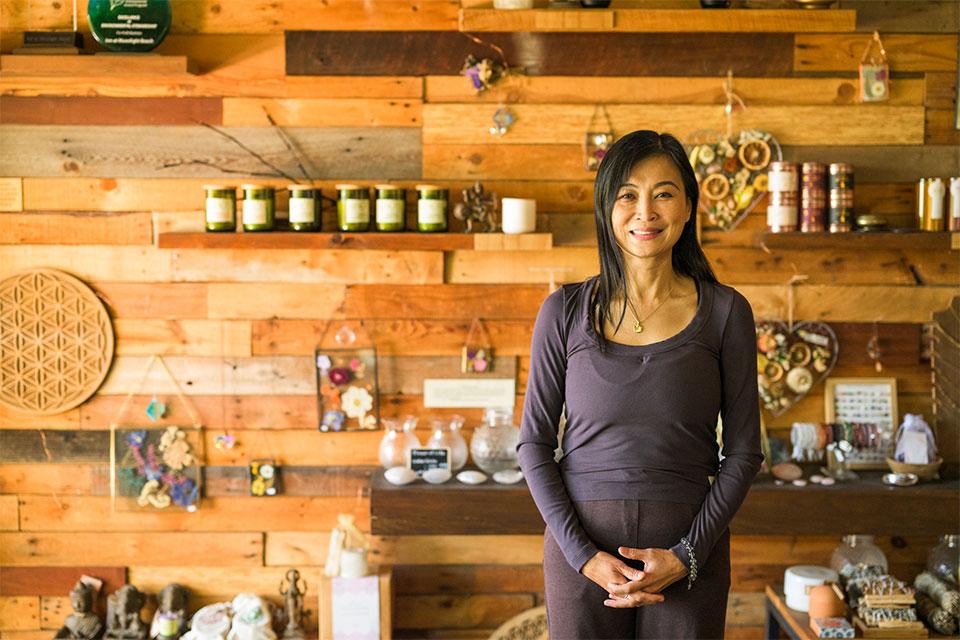
Inn at Moonlight Beach
Photo by James Collier, California Grown
The Inn at Moonlight Beach is an example of agritourism wrapped in velvet. While most hotels are built to impress, this property in Encinitas, CA, was built to heal. The destination, created by architect and urban designer Shangwen Chiu Kennedy from a struggling old B&B, includes a small biodynamic farm where guests can harvest their own salads, and a farm stand open to everyone. Breakfasts are made with the farm’s in-season fruits. Other meals and farm stand offerings are from the inn’s own herbs supplemented with produce from other local growers. Reclaimed wood walls, soil restoration, and solar power helped the inn become the first WELL-certified hotel in the world, making it a destination for travelers looking to minimize their environmental impact while enjoying a relaxing beach vacation. One of the more unique elements of the inn is the Maker’s Station — a build-your-own garden bar where guests can pot their own succulents, edible flowers, or herbs. “We have workshops with the intention of guests engaging with what we grow or starting a garden of their own,” Chiu Kennedy says. “They can choose planters that are table-sized or balcony-ready and take them home.” The farm stand and farm offerings make the inn both memorable and more economically sustainable.
Robin’s Restaurant, Cambria, CA
When guests step into Robin’s Restaurant in Cambria, CA, they’re welcomed into a world that feels both globally inspired and warmly familiar. The air is fragrant with spices, the tables surrounded by gardens, the plates full of locally grown food, and the service is thoughtfully attentive — just as Shanny Covey, the owner of several restaurants in San Luis Obispo County, wants it. “We want them to feel really cared for — in the environment that they’re in, in the service that they receive, and the freshness of their food,” Covey says. A strong commitment to California-grown ingredients and this feeling of being looked after is the heartbeat of the Blue Mango Group, which includes Robin’s, along with Novo and Luna Red in San Luis Obispo. The garden patio at Robin’s is something of a local legend. Full of gorgeous flowers and lots of California native plants, it’s like being immersed in nature. The menu includes some year-round favorite dishes made with always-in-season produce and proteins, along with menu items that rotate with what local growers have to offer, paired with wines from the region. The combination of ambiance and fresh flavors makes the spot a favorite of Central Coast locals and visitors.
Hope on Park Creative Space + Hope Family Wines Tasting Room, Paso Robles, CA
In a state where wine tasting opportunities abound, it can be hard to set your business apart. Hope Family Wines does it by offering an experience that feels personal and intentional. Before guests enter one of the company’s two locations, one of the “Dream Weavers” on staff is getting to know their preferences, along with the likes and dislikes of those in the party, and planning a customized experience. At Hope on Park, the team’s inventive “creative space” sidewalk wine bar + tasting room on the busy town square, guests are greeted with a wine saber when they enter and leave with a polaroid photo of their group and a thank you gift addressed to them by name. At the estate vineyard, guests are greeted by a friendly staff member with a sip of rose the moment they make it onto property and are escorted to their tasting, which takes place in one of three well-appointed areas, with semi-private outdoor cabanas overlooking the vineyard being the most desirable seats. “We get to experiment, create, and provide uber-meaningful personalized experiences for our guests — whether you’re experienced in wine, want to do a vertical tasting, or are new to wine and want to learn and have some fun with it. We want to take that stigma out of wine that is a little off-putting. There is none of that here — wine is for having fun, sharing and connecting,” Jo Armstrong, Director of Hospitality, says. Every staff member, including the one helping you carry wine to your car, is ready with local recommendations, from other wineries and restaurants to the best local beach for kite-flying. While Hope Family Wines offers great wines, it’s the hospitality that makes them truly exceptional, and keeps guests coming back and sending friends.
AGRITOURISM
Carlsbad Strawberry Co., Carlsbad, CA
During the late 1990s, the Ukegawa family’s San Diego county farm struggled with rising costs and dwindling income. Current owner Jimmy Ukegawa recalls, “Wholesale prices were cheap. Interest was high. We knew that unless we changed something, we would’ve gone the way of the rest of the growers locally.” In the early 2000s, Ukegawa proposed incorporating U-pick days at the end of the season to garner additional income. The concept was a bit of a Hail Mary, but he convinced his family to try. Over time the U-pick gained interest from both San Diego locals and tourists. The farm’s location is an additional asset: just off Highway 5, within minutes of some of Carlsbad’s most popular attractions — the Flower Fields, the Outlets, and Legoland. Now, 25 years later, Carlsbad Strawberry Co. is one of San Diego’s most popular U-pick farms, also offering a flower maze and U-pick pumpkin patch, complete with a corn maze in fall.
Gowan’s Heirloom Ciders, Philo, CA
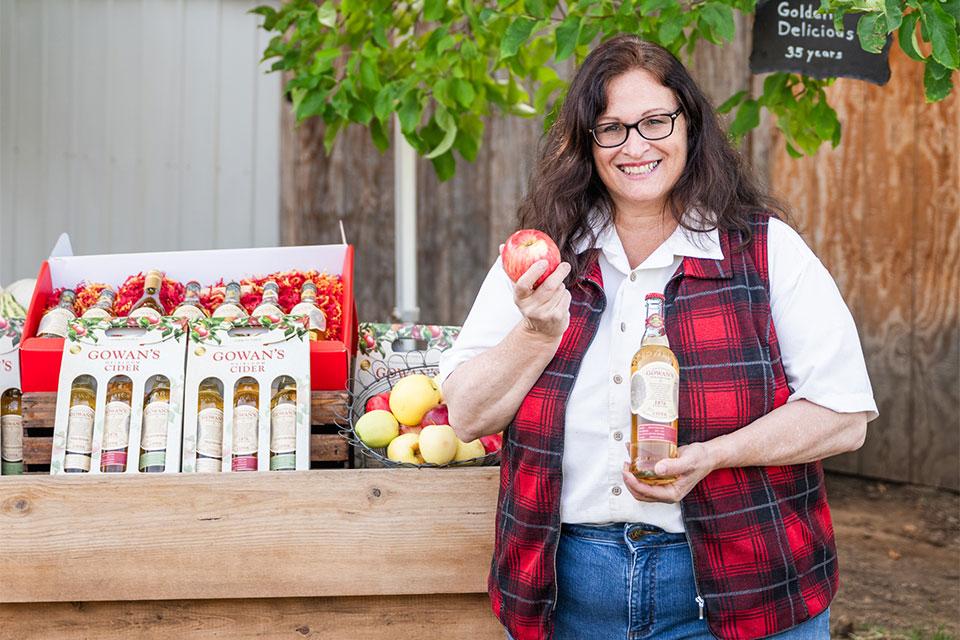
Gowan’s Heirloom Ciders
Photo by James Collier, California Grown
Situated in the idyllic Anderson Valley in Philo, CA, the Gowan family orchard is home to many heirloom apple varieties and the state’s first licensed outdoor tasting room. Guests who visit sit under the canopy of hundred-year-old apple trees with a glass of cider in hand, for a unique part-tasting room/part-orchard visit experience. Gowan’s produces estate cider. Every apple that makes its way into a Gowan’s bottle is grown, picked, pressed, and fermented right there on the family farm, with variety signs hanging throughout the orchard so guests can match the cider in their hand to the fruit on the trees. As Sharon Gowan says to guests that visit for a tasting, “You are standing in the middle of a 150-year-old family farm.” In addition to the cider sold and the tasting room, Gowan’s sells to retailers and restaurants, and they’ve found that guests who visit their farm often end up as unofficial salespeople for the family, asking shops and eateries where they live to stock Gowan’s cider.
Sweet Thistle Farms, Clovis, CA
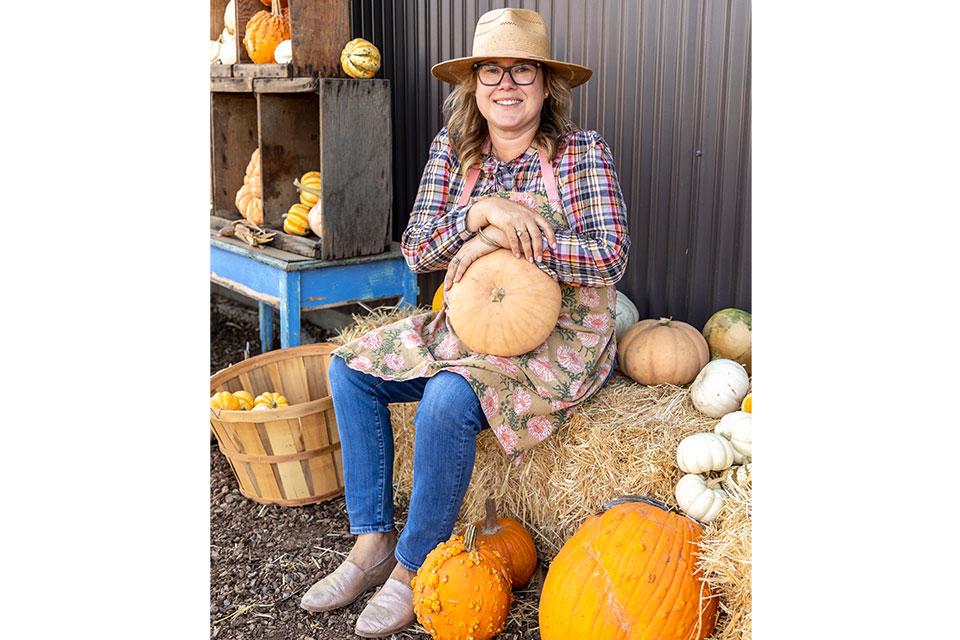
Sweet Thistle Farms
Photo by Hilary Rance, California Grown
As a fifth-generation California farmer, Sarah Shoffner knows that folks in ag stick together. So when Sarah moved to Clovis, CA in 2018, the first thing she did was to familiarize herself with the Central Valley’s vibrant agricultural community. “Having been at a few farmers markets, I thought it would be a good way to meet people,” Shoffner recalls. She decided to grow flowers and became a vendor at the Clovis Farmers Market. Fueled by the success of her burgeoning flower business, Shoffner decided to grow pumpkins so that she would have something to offer in the fall. As her business grew, Sarah approached the owners of the Rocky Oats Goat Creamery, with a plan to use their idyllic property as a U-pick flower farm during the spring and summer and as a pumpkin patch in the fall. The two businesses formed an unlikely partnership. “It’s a unique partnership, but we really just work together with each other and help one another,” she says. In addition to the U-pick flower farm and pumpkin patch, Shoffner has a small year-round farm stand, hosts twice-yearly dinners on the property, and offers a CSA that supports her business along with Rocky Oats, and other local producers.
Pezzini Farms, Castroville, CA
The Pezzini family has been growing a variety of heirloom artichokes in Castroville, CA, brought over from Italy by Sean Pezzini’s great-grandfather almost 100 years ago. To supplement their income and sell their artichokes directly, the family started a small farm stand on their ranch just off Highway 1 in Monterey County. The stand was immensely popular, and the family now operates a large farm stand that also sells berries, olive oil, dried fruit + nuts, sauces, and other products from local growers and from farms across the state. Picnic tables, clean bathrooms, and photo opportunities make it a must-stop for tourists, and the ultra-fresh produce and premium grocery offerings bring in locals. A permanent food truck keeps guests fed and encourages a longer stay — and further sales. Guests can also sign up for the family’s email list to be notified when season begins, and fresh artichokes are available for shipping on the Pezzini Farms website.
“GLAMPING”
Another subcategory of agritourism is “glamping.” Short for “glamorous camping,” the practice combines the natural setting of a traditional camping experience with some of the luxuries and conveniences of home. Perfectly situated in the middle of that spectrum are farms. Based in San Francisco, Hipcamp operates an online marketplace that allows users to search for and book such participating farms as well as campsites and RV spots. Hipcamp doubled the inventory on its platform in May by adding thousands of RV parks, camping resorts, and public lands to reach a total of 565,000 available campsites.
The following fruit farms exemplify glamping in California. (Descriptions written by Hipcamp’s Cassandra Prenn-Vasilakis and James Warner Smith):
Hickman Family Vineyards, Butte County, CA
In the Sierra Foothills near Bangor, Alyse Hickman and her family built their vineyard and winery from the ground up and turned it into a thriving agritourism destination. Alongside tastings and vineyard tours, they host campers through Hipcamp, offering shaded campsites and RV spots surrounded by vines. Proper restroom facilities, warm hospitality, and dog-friendly stays make the experience comfortable and accessible. The Hickmans’ welcoming approach has earned national attention, with features in Condé Nast Traveler and CNBC highlighting their success. Hosting campers at the vineyard has boosted direct wine sales and expanded wine-club membership —proof that agritourism can turn casual visitors into loyal customers.
Nelson Family Vineyards, Mendocino County, CA
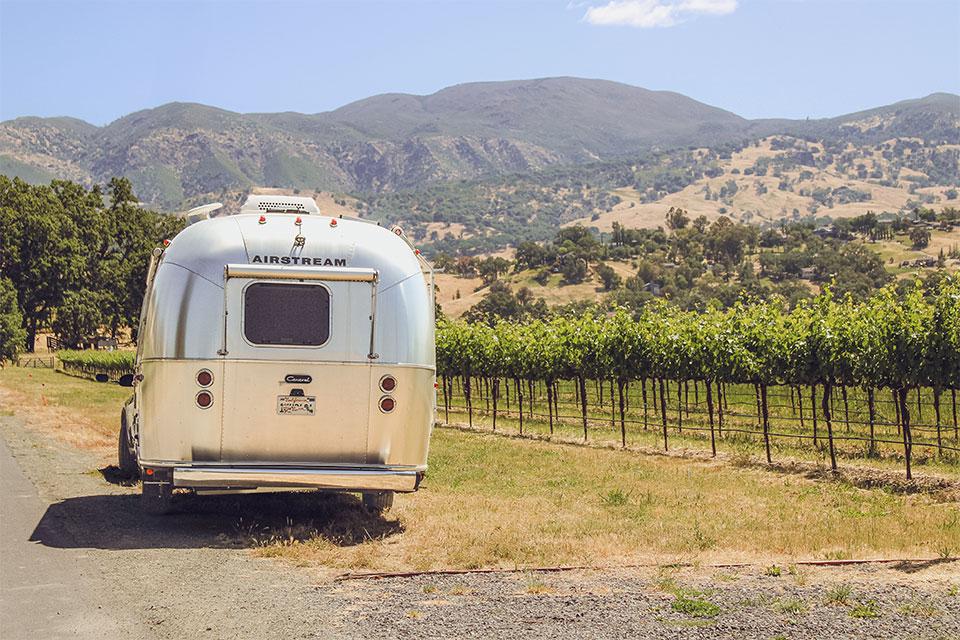
Nelson Family Vineyards
Photo courtesy of Hipcamp
For more than 70 years, the Nelsons have farmed their 2,000-acre ranch just south of Ukiah, evolving from plums and pears into a thriving vineyard and winery. In 2021 they joined Hipcamp, opening a handful of self-contained, RV-only sites nestled among the vines for around $60 a night. There are no restrooms or electric hook-ups — just panoramic views, shaded groves, and easy access to the family’s tasting room. The low-overhead setup has proven popular, showing how RV-only sites can add dependable income for established vineyards. Agritourism now complements their wine sales, giving visitors a relaxed, authentic taste of Mendocino vineyard life. Click here to book a stay.
Zephyr Mountain Avocado Grove, Riverside County, CA
Zephyr Mountain Avocado Grove
Photo courtesy of Hipcamp
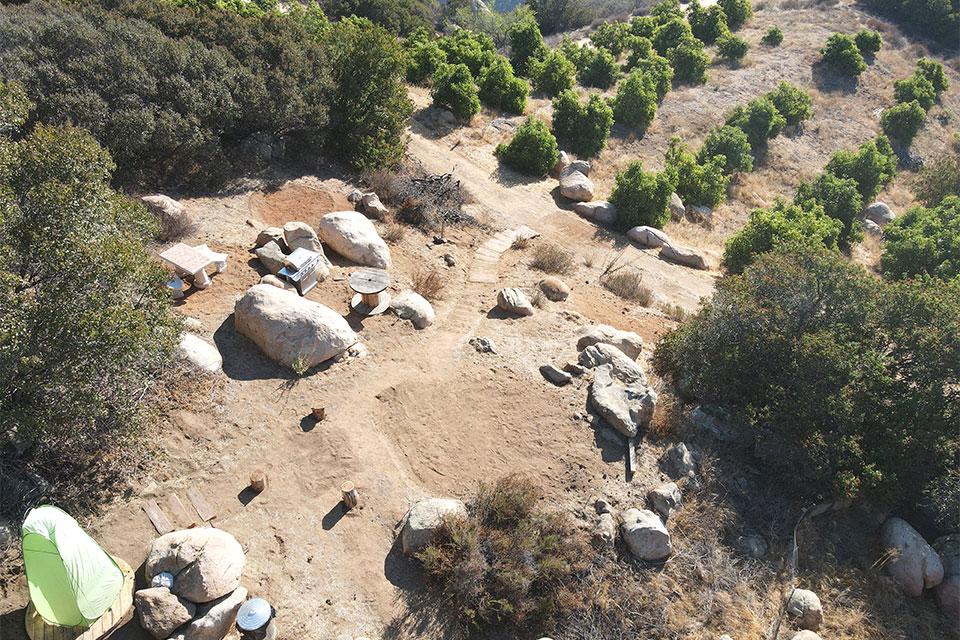
Perched above Wildomar, Zephyr Mountain Avocado Grove is a certified-organic 22-acre avocado and citrus farm, run by Shane and Nicole Sands while using regenerative practices. They welcome both RV and tent campers via Hipcamp to two private hilltop sites, offering basic facilities like a toilet and hand-washing station (no full hookups). Guests often sing the praises of the sweeping views, wildlife encounters, and serene setting. The farm’s fruit is sold onsite when in season, along with honey and tea. Camping extras — from hammocks to s’mores kits — help increase revenue from each stay. For Shane and Nicole, the camping brings vital revenue but is also a hugely important way to grow awareness of their organic farming mission.
Harris Family Farm & Forest, El Dorado County, CA
Harris Family Farm and Forest
Photo courtesy of Hipcamp
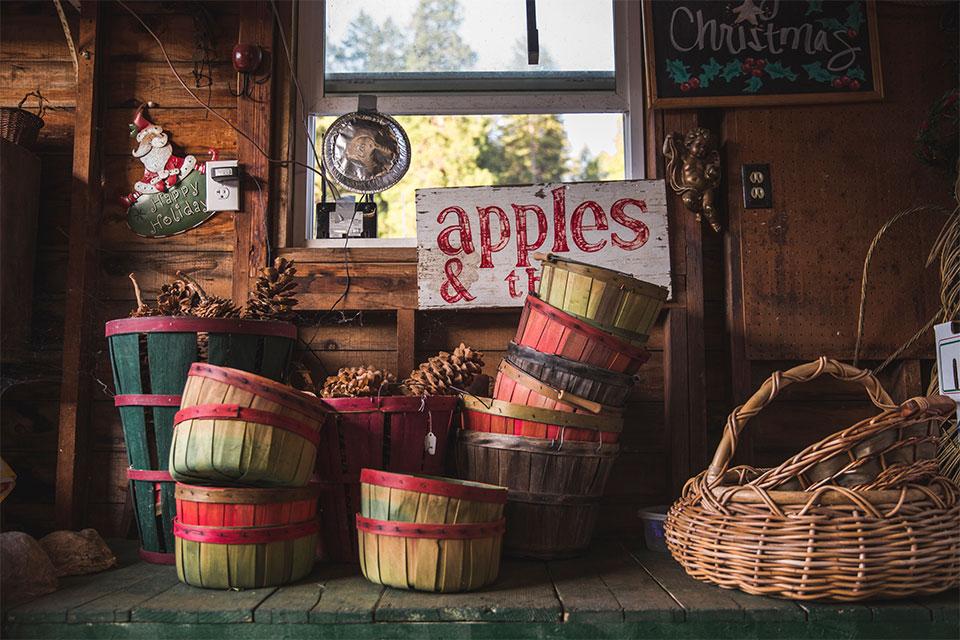
A fifth-generation family farm in the Sierra Foothills, Harris Family Farm & Forest is known for its you-pick apples, berries, flowers, and Christmas trees — and is routinely featured among California’s best apple-picking destinations. The family began hosting campers in 2018, offering a handful of rustic tent and RV sites across 125 forested acres equipped with portable toilets. Bookings on Hipcamp have grown every year since, adding a steady new revenue stream alongside the farm’s bake shop, cider, and seasonal produce sales. Their approach shows how layering small, complementary agritourism activities can build resilience and customer loyalty — without major infrastructure investment.
Ballard Walnut Grove, Santa Barbara County, CA
Anne Guynn’s family purchased this 22-acre walnut farm in 1976. Almost 50 years later, she is still growing walnuts while experimenting with new ways to diversify income and keep the farm economically viable. They grow walnuts for Diamond Walnuts, have a farm stand on the property, and sell hundreds of Christmas trees each December. In 2019, Guynn began hosting campers at two private sites nestled in the walnut grove — a venture that gained early traction during the pandemic’s surge in outdoor travel. The sites feature thoughtful but low-maintenance touches like woodchip surfacing, picnic tables, and firepits, and hosting campers has become a reliable, high-margin revenue source that supports the farm’s long-term viability. To book a stay, click here.
Subscribe Today For
