


Inside Intel on the Hard-Working Wine of Austria
 December 9, 2025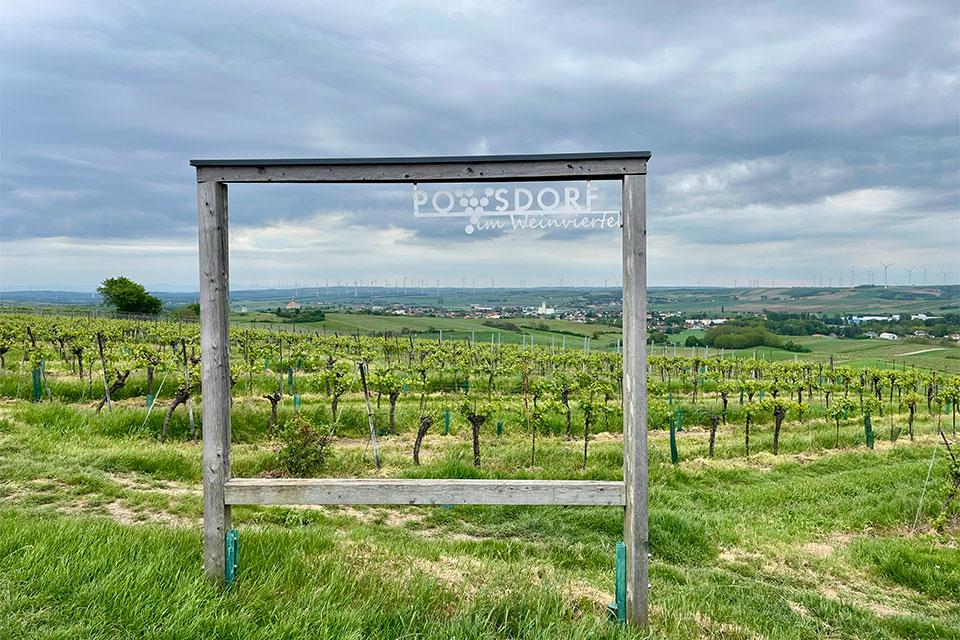
One of the views I was able to capture during my tour of the Austrian countryside earlier this year. Austrian wine grape growers strive for quality. U.S. growers should take note.
Photo by Tremain Hatch
I had the good fortune to visit vineyards close to the Austrian city of Vienna in early May. I attended this trip with a wine importer. He sees the fresh wines of Austria as an area of promise in a soft wine market. I say good fortune, because I was impressed by the quality and quantity of the wines and vineyards we visited. Viewing the Austrian wine industry gave me context and perspective to evaluate my home industry in Virginia and the rest of the wine industry east of the Rockies.
The Austrian industry is dominated by Gruner Veltliner, which generally makes a high acid white wine. Tasting a lot of these wines side by side allowed me to key in on nuanced differences between different vineyard locations and producers.
I was impressed by the consistency and quality of these wines. They had a solid core of acid but interesting aromatics and great weight to balance the acid. The consistent quality of these wines showed me that it was not a fluke; they were incredibly well-made wines. I associate this quality with the maturity of the industry. They have matched their vineyard management to the environment. This matching allows them to farm vineyards with specific wine attributes in mind.
RELATED CONTENT: Which Yield Metric Is Best for Growing Grapes?
As these were wines for import for the U.S., the quality-to-value ratio was incredibly high. This motivated me to work harder, knowing firsthand how high the quality benchmark is for “under-known” wine regions. We have to over-deliver in the Virginia wine industry if we ever hope to make a bigger splash in a local market or even in the greater national and international markets.
I acknowledge that the wine market is tough right now. While a tough market is an epic challenge, I also acknowledge that it’s an opportunity to look at production with a critical eye. Look for underperforming blocks and make cuts; there is no room for mediocre wine quality in this market. There is too much high-quality wine out in the market. An underperforming wine stands out like a sore thumb and can only damage brand and reputation, especially in new and developing wine regions.
Subscribe Today For
