

Tracking and Tackling Pest and Disease Pressure in Cucurbits
As the season wraps, a consistent picture emerged from field visits, efficacy trials, and diagnostic submissions. Here’s what we learned about the disease, insect, and management trends that had the biggest impact on cucurbit crops this year.
View all
Major Disease and Pest Pressures
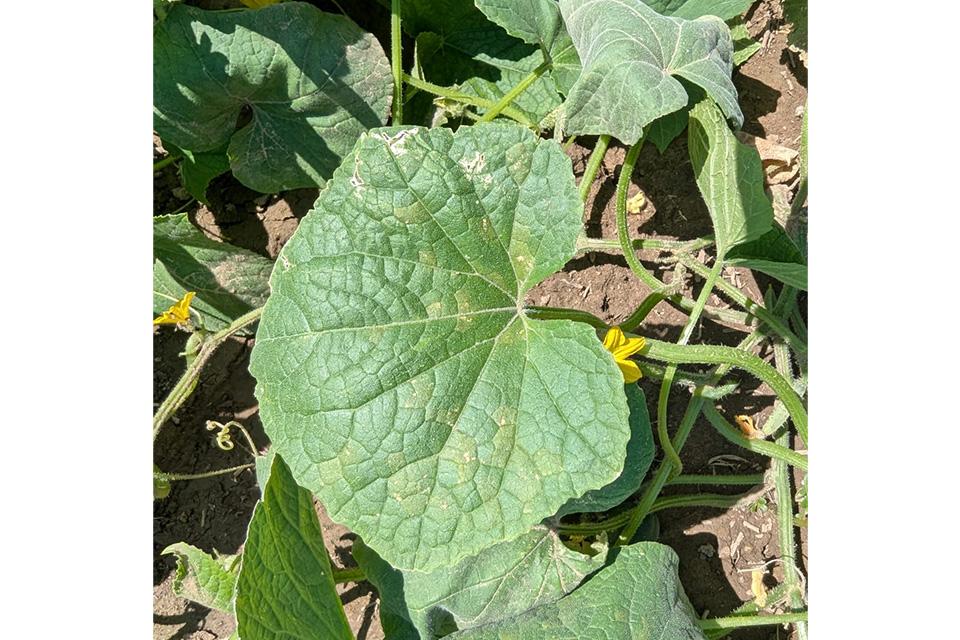
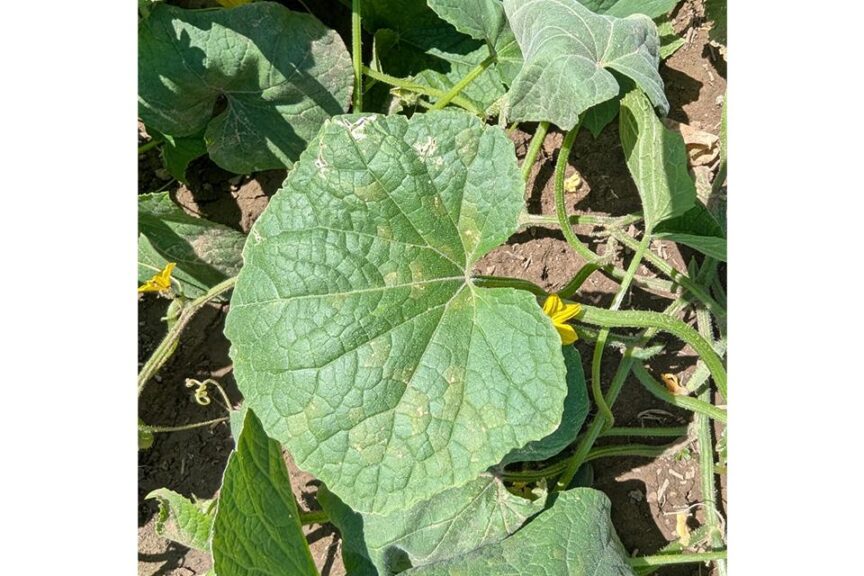
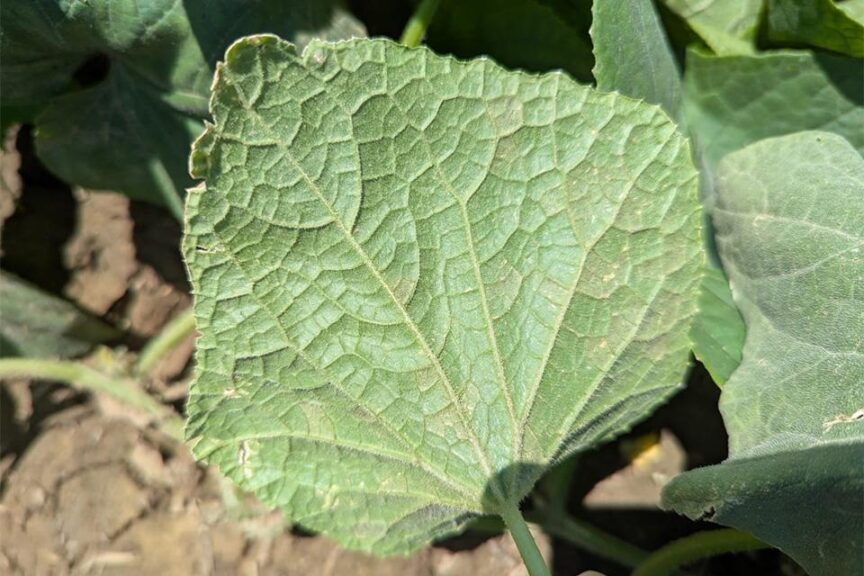
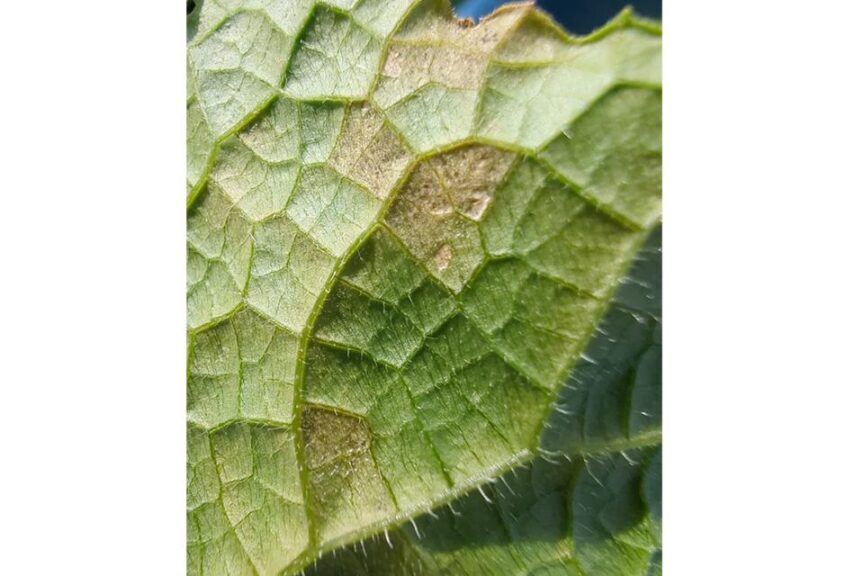
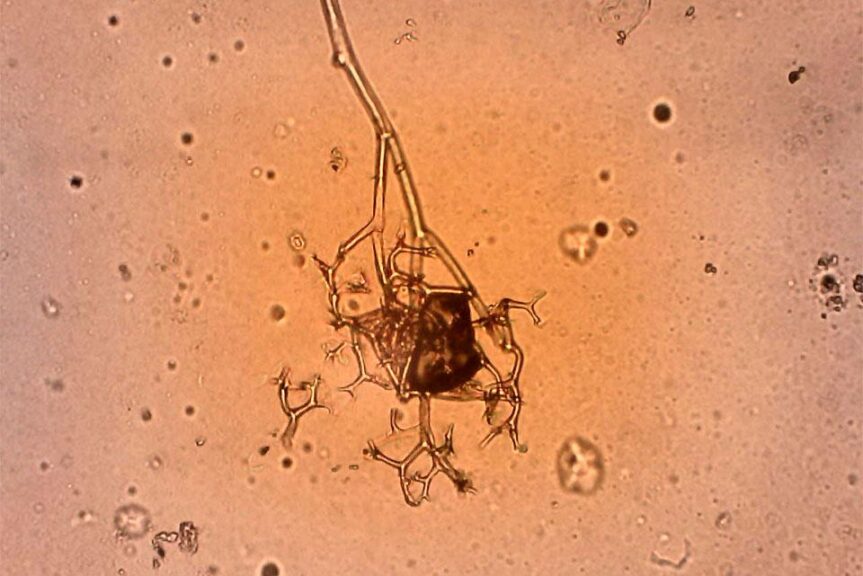
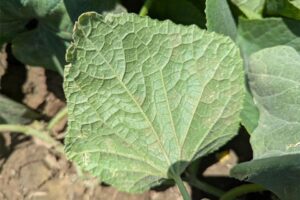
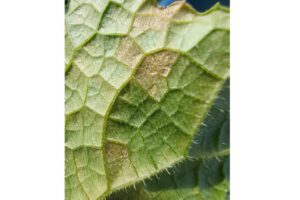
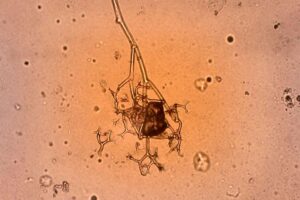
This season, cucurbit downy mildew (CDM, Pseudoperonospora cubensis) remained the most significant disease threat to cucurbit crops, particularly in cucumbers and cantaloupes. Early spore detections through our sentinel network in mid-July were followed by widespread outbreaks in August. Powdery mildew and Phytophthora crown and fruit rot also caused localized but severe problems in squash and pumpkins.
Among insect pressures, striped cucumber beetle — a vector of Bacterial Wilt (Erwinia tracheiphila) — and squash vine borer, which transmits Yellow Vine Decline (Serratia marcescens, were prevalent in several regions, driven by warm early-season conditions. Additionally, Plectosporium blight on pumpkin was also documented this year at the Western Agricultural Research Station in South Charleston, OH.
Effective Control Programs and Products
For CDM, fungicide rotations incorporating Orondis Opti (Syngenta), Ranman (Summit Agro), and Zampro (BASF), paired with protectants such as chlorothalonil, have delivered consistent control when applications are timed to spore trap alerts. In integrated programs, growers who combine early scouting, resistant cultivars, and tight spray intervals of five to seven days have successfully maintained healthy canopies even under high pressure. Management of Phytophthora crown and fruit rot has also improved through the use of well-drained beds, crop rotation, and targeted applications of Orondis Ultra and Presidio (Valent U.S.A.).
Resistance Management Tools
Resistance management remains a central focus of current recommendations. Growers are encouraged to rotate FRAC codes and limit single-site fungicides to no more than two consecutive applications to preserve long-term efficacy. Digital platform tools such as CDM ipmPIPE (cdm.ipmpipe.org) and OSU’s VegNet News (u.osu.edu/vegnetnews) have proven valuable for supporting data-driven fungicide decisions, helping to reduce unnecessary applications and preserving active ingredients.
Biological and Organic Trends
Interest in biological products continues to expand among growers. Many have successfully integrated Bacillus and Pseudomonas-based biocontrols into their spray programs early in the season or between chemical applications to reduce residue and enhance microbial resilience. Ongoing efficacy trials are being conducted under controlled conditions to ensure consistency and reliability of results.
Advice for 2026 Season Planning
We recommend growers build flexible, data-informed management programs. Regularly checking resources such as CDM ipmPIPE and OSU’s VegNet News to get updates on early disease detection through spore monitoring and local forecasting. This allows growers to respond proactively rather than reactively.
When symptoms appear, samples should be sent to The Ohio State University C. Wayne Ellett Plant and Pest Diagnostic Clinic (ppdc.osu.edu/home) for accurate identification and confirmation before making any major management changes. The clinic offers detailed submission guidelines to ensure reliable diagnostic results.
Subscribe Today For