



Digging Into the Latest Food Trends for Farmers Markets
Drum roll, please … 2026’s Vegetable of the Year is Broccolini, and it is a cruciferous choice growers can get excited about. This year’s designation was bestowed by Full Tilt Marketing based on an analysis of social conversations, consumer behavioral patterns, and emerging trends, says Kathy Kelley, Professor of Horticultural Marketing and Business Management at Penn State University, and a presenter during a recent 2026 food and beverage trends webinar put on by the school’s agricultural Extension office.
According to Kelley, Broccolini’s appeal is rooted in its impressive nutritional profile that aligns with contemporary health trends, namely consumers’ focus on calorie-efficient foods robust in dietary fiber. Beyond nutritional value, Kelley says Broccolini offers exceptional culinary versatility, requiring minimal preparation and supporting a wide array of cooking methods, which make it adaptable to various global cuisines. And there is a captive audience in Gen Z consumers who have shown a particular interest in culinary trends.
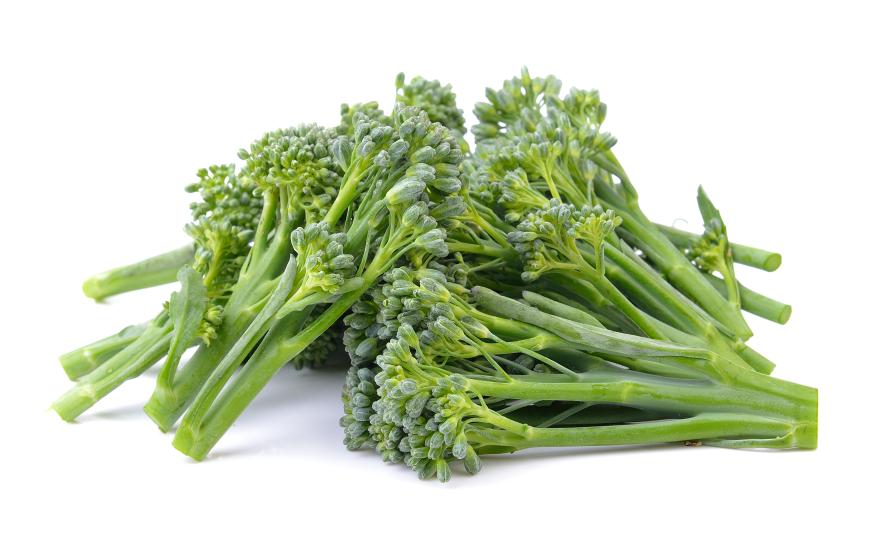
Broccolini was recently named the “2026 Vegetable of the Year.”
Photo: sommai- stock.envato.com
For Mid-Atlantic growers, though, Broccolini represents a strategic economic opportunity. The region’s climate is ideal for Broccolini cultivation, which Kelley says offers growers a high-demand product that performs well in the region’s soil conditions.
“If you’re looking for that food item that you could grow, you could sell, and you could use in various types of value-added processed products, Broccolini might be something that you would want to consider,” Kelley says. “Broccolini is definitely a vegetable to watch.”
Here are some additional 2026 food trends Kelley outlined in the webinar that may interest growers:
GET A HEAD
Looking toward the 2026 and 2027 seasons, cabbage is emerging as a major contender for the next “it” vegetable. According to the Pinterest Predicts 2026 report, cabbage is considered a breakout star and has experienced a massive surge of social media engagement. Additionally, Amazon Fresh reported a 12% year-over-year growth in 2025 cabbage sales, which is not limited to whole heads but includes packaged mixes, organic varieties, and ready-to-eat prepared foods. For Mid-Atlantic growers, cabbage offers a lucrative opportunity because it is well-suited to the local climate and fits into a variety of business models, including raw bulk and fermented goods.
MENTAL HEALTH
There is a growing list of fruits and vegetables linked with enhanced cognitive functioning. For example, leafy greens, berries, nuts, and seeds may elevate mood, while whole grains and avocados can sharpen focus and concentration. Growers can position their inventory not as a commodity but as a tool for mental wellness. This trend is projected to intensify among Gen Z consumers, who view food through a holistic health lens and place a premium on these products.
CLEAN AND DIRTY
The Environmental Working Group’s (EWG) “Clean 15” highlights pineapples, sweet corn, avocados, and papayas as having the lowest detectable amounts of pesticide residues, often leading to increased consumer confidence. Conversely, EWG’s “Dirty Dozen” IDs strawberries, spinach, kale, grapes, and peaches as foods with the highest residue levels. These lists dominate social media discourse and health-focused news cycles while influencing consumer purchasing behavior. Growers of these high-profile crops are advised to emphasize their commitment to food safety and sustainable cultivation methods.
SUSTAINABILITY
Sustainability has evolved from a niche concern to a foundational pillar of modern food trends. However, it is a broad and often ambiguous “umbrella” term. Growers must move beyond general claims and pinpoint specific environmental and ethical values, such as soil health, water conservation, or carbon footprint reduction. This enables growers to correct market misconceptions while highlighting sustainable practices, such as Integrated Pest Management (IPM), renewable energy, and localized sourcing.
Growers should opt for eco-friendly packaging that aligns with the “zero-waste” movement. This transparency is essential as the food industry shifts toward “clean” labeling, a trend that gained traction at the 2025 Mid-Atlantic Fruit and Vegetable Convention. Consumers are no longer satisfied with vague health claims. Instead, they favor labels that reflect a commitment to purity.
GREATER RETAIL OPPORTUNITIES
Growers eager to drive sales, especially those with retail channels serving consumers and restaurants, should prioritize their role as wellness partners, not just vendors. Providing customers with evidence-based data on the cognitive and longevity benefits of specific crops creates a high-value connection. This strategy is most effective when paired with in-store sampling. While younger demographics frequently discover food trends through social media, the final purchasing decision often hinges on the immediate sensory experience of tasting a product in the aisle.
Subscribe Today For
