



How To Manage Soil Salinity in Your Fruit and Nut Orchards
 June 5, 2026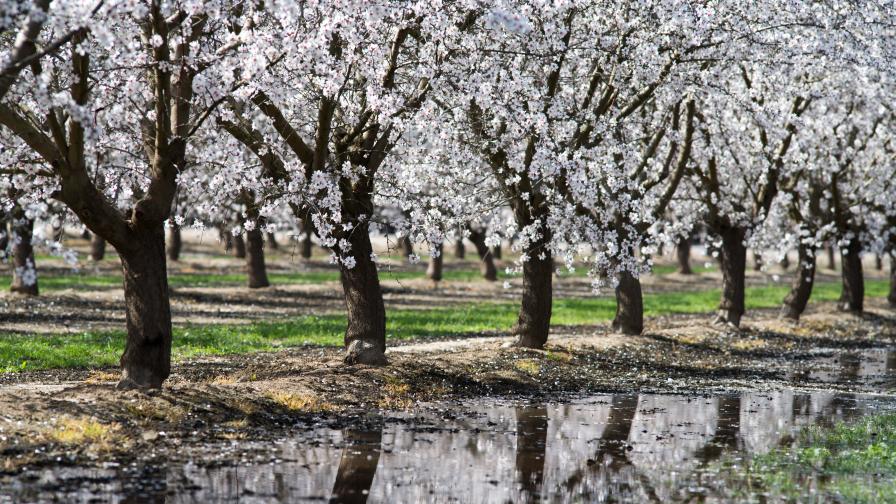
When salts accumulate in the soil, the soil solution becomes so concentrated that plants struggle to draw in water.
Photo: Anna Newman – stock.adobe.com
One of my favorite activities to do with my kids is going to the movies. They’re at a perfect age where every new superhero release is the greatest masterpiece ever made. As a sucker for a good deal, I’ll sometimes spring for the refillable popcorn bucket that practically dares you to finish it before the opening credits. Anyone who has consumed enough movie theater popcorn knows the sudden moment when the inside of your mouth becomes dry and wrinkly, sending you searching for something to quench your thirst.
You may not realize it, but a concept straight out of high school biology is behind that feeling: osmosis. Water balance in living cells is highly sensitive to salt concentrations inside and outside of the cell. When the environment outside the cells becomes too salty, water moves outward through the cell membrane to equalize concentrations, and that shift is what creates that familiar “wrinkly mouth” sensation.
PLANT THIRST WORKS THE SAME WAY
Plants feel a similar kind of “thirst” when growing in conditions of high salinity. The difference is that while I can stroll to the concession stand for a soda, plants are immobile and don’t have that luxury. Under normal conditions, plants take up water by maintaining higher concentrations of solutes inside their root hairs than in the surrounding soil, pulling water into the root. But when salts accumulate in the soil, the soil solution becomes so concentrated that plants struggle to draw in water. The osmotic gradient reverses, pulling water from the roots.
Plants are not entirely helpless — they can adjust internally to tolerate more salts — but that adaptation requires energy that would otherwise support normal growth. Ultimately, the plant may wilt, slow growth, or even die, not because water is not present in the soil, but because excessive salt has made that water physiologically unavailable.
THE CAUSE OF SOIL SALINITY AND THE CURE
In most agricultural systems, the primary cause of soil salinity is irrigation water itself. Even high-quality irrigation water contains dissolved salts, which accumulate over time through repeated applications combined with evapotranspiration. In arid regions where rainfall is limited, the very tool used to grow crops becomes a source of stress.
Leaching — applying extra water to flush salts below the root zone — is the most reliable way to reduce salinity. While it is straightforward in principle, practical constraints such as water availability, drainage, and cost can limit its effectiveness. Still, salts generally follow the water, so managing the flow is key.
SOLUBLE CALCIUM SUPPORTS EFFECTIVE LEACHING
Leaching works best in soils with good structure, which is where soluble calcium comes in. Calcium ions promote flocculation, binding clay particles into aggregates that improve soil pore space. Better aggregation means water moves more freely, improving infiltration and percolation. Without enough calcium, soils can crust, seal off, and prevent water from reaching the roots, leaving salts concentrated where crops need water most. Supplying soluble calcium, typically through gypsum or other sources, enhances leaching and soil health.
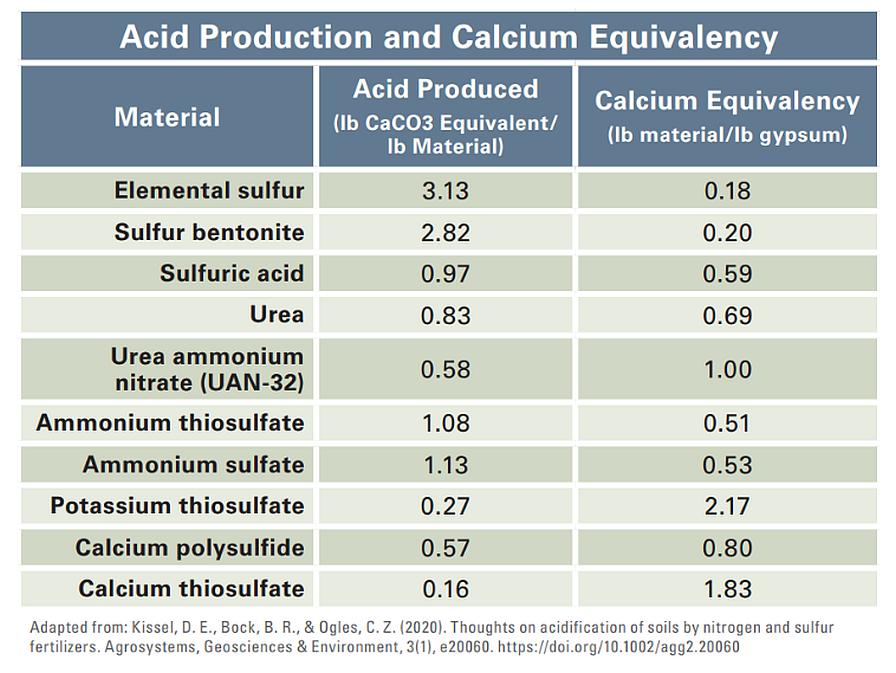
Many western soils contain abundant calcium in the form of calcium carbonate (lime), but this calcium is largely unavailable due to limited solubility. Acid-forming amendments can release this locked calcium, improving soil structure and aiding leaching. Many acidifiers also supply additional plant nutrients, providing a dual benefit.
CREATING A LONG-TERM STRATEGY
Managing soil salinity is not a one-time fix — it is a long-term approach blending water management, soil chemistry, and soil physical health. Irrigation introduces salts, but effective leaching, adequate soil structure, and careful calcium management can keep salts under control. Consistent monitoring, thoughtful amendment choices, and proper irrigation ensure crops access water even in challenging conditions.
Subscribe Today For
