



Smart Tech
Smart Tech in the Field: What’s Gaining Ground for Vegetable Growers

Smart technologies are reshaping vegetable production, but not all are at the same stage of adoption. While automated tractor guidance is already well established, machine vision-guided equipment is seeing growing commercial use, and agricultural drones are expanding beyond scouting and imaging into targeted applications.
Machine and Computer Vision
Machine and computer vision technologies use cameras and artificial intelligence (AI) to distinguish crops from weeds and identify individual plants for targeted treatment or removal. These systems enable precision spraying, weeding, and thinning, with the potential to reduce chemical use and the need for manual labor.
Luan P. Oliveira, Ph.D., Assistant Professor and Precision Ag. Extension Specialist at the University of Georgia, has worked directly with platforms that combine computer vision with plant-by-plant applications. These systems identify individual weeds and apply treatments only where needed, rather than relying on blanket spraying.
Commercially available systems demonstrate the range of applications for machine vision in vegetable production. Mazin Saber, Ph.D., Associate in Extension/Weed Management at the University of Arizona, has worked with technologies including Carbon Robotics’ LaserWeeder, Verdant Robotics’ precision spot-spray weeder, Ecorobotix’s AI-guided spot-spray weeder, Mantis Ag’s lettuce thinning system, and Niqo Robotics’ precision lettuce thinning technology.
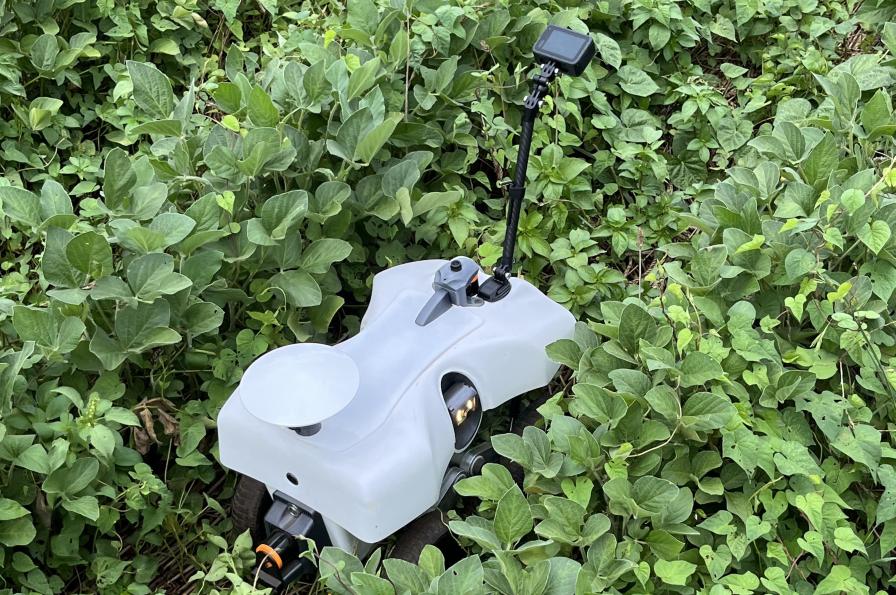
Automated scouting robot.
Photo: Chetan Badgujar
While these technologies offer opportunities to reduce labor and input use, equipment costs remain a barrier for smaller operations. Saber emphasizes that broader adoption will depend on reliability, consistent field performance, and measurable economic returns.
“Growers need equipment that can operate consistently under the demanding conditions of commercial vegetable production and deliver measurable savings in labor and operating costs,” Saber says.
Drones: From Scouting to Application
Agricultural drones are expanding beyond aerial scouting and imaging to include targeted application capabilities, helping growers monitor crop conditions and respond to field needs more efficiently, according Oliveira.
Multispectral imaging allows growers to identify crop stress across large areas, monitor plant growth, and assess field conditions following severe weather. The information collected can also help growers adjust application rates and make more informed management decisions.
RELATED CONTENT: Growing Produce Podcast: Are Robots Ready for Your Farm?
Automated Guidance and Autonomy
Automated tractor guidance is among the more established smart technologies in agriculture, helping growers maintain straight, evenly spaced rows and improve accuracy and consistency during field operations.
“Automated tractor guidance is one item which has taken agriculture by storm,” says John K. Schueller, professor at the University of Florida.
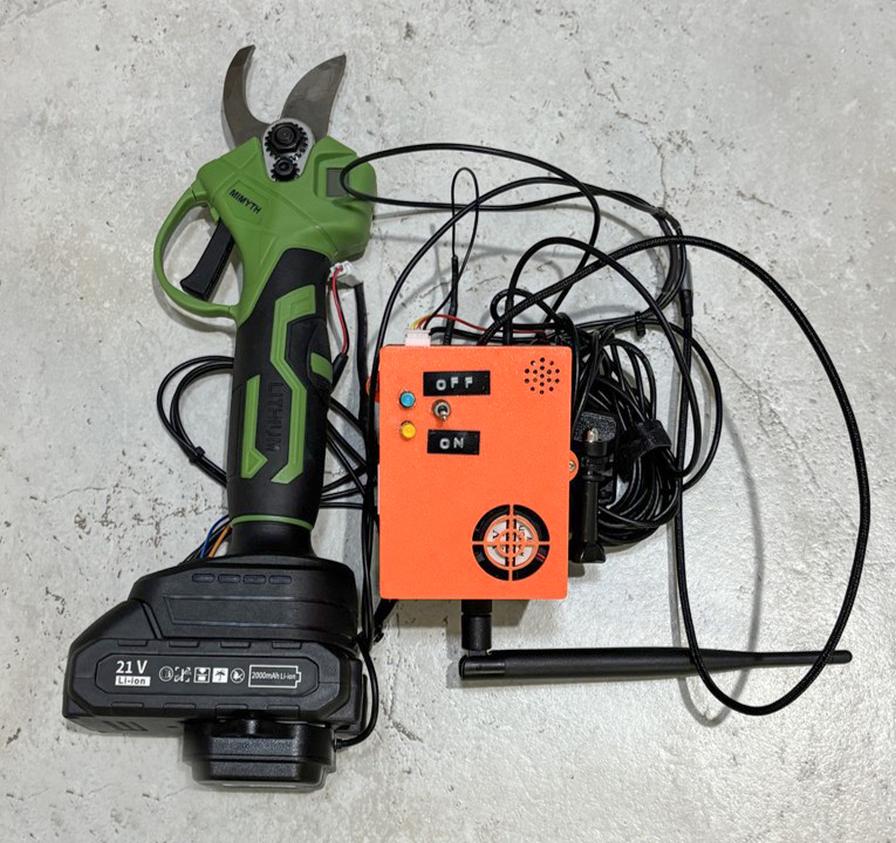
A prototype developed by University of Florida students which maps where cuts are made.
Photo: John K. Schueller
By reducing the need for constant manual steering, automated guidance can help operators maintain consistent field operations and make more efficient use of their time and equipment.
While automated guidance is already widely used, it also provides an example of how mechanization can reduce the amount of direct operator involvement required during field operations. Unlike fully autonomous equipment, however, automated guidance still relies on an operator to oversee the tractor and its work.

For more Smart Tech topics, click here.
Subscribe Today For
