



Eye on El Niño: What Growers Should Prepare for Now
With a potentially record-breaking El Niño taking shape, growers of specialty crops across the West should prepare to accelerate the postharvest work they typically spread over several months. Shorter dry stretches between storms could leave critical soil preparation and nutrient applications unfinished, with problematic consequences for the next growing season. Specialty farmers essentially have the next 30 days to do all the work they regularly pace out over three months or they will not have a crop for the next harvest.
Heed the Warnings: This Year’s El Niño is Likely to Be STRONG
Meteorologists and agronomy companies alike are warning growers in the region about an increased likelihood of back-to-back storms drawing substantial moisture from the subtropics and tropics through atmospheric river connections. These scenarios would leave less drying time between storms and shorter fieldwork windows for pruning and hedging, preparing the ground, or making soil amendments.
With weather tracking data dating back to 1950, this year’s El Niño is entering record-strength territory. It is shaping up to be a once-in-a-life time weather system, and growers must adapt as conditions develop. Current signals are indicating above-average precipitation across the western states, particularly in California from north of San Francisco through Sacramento and south to San Diego.
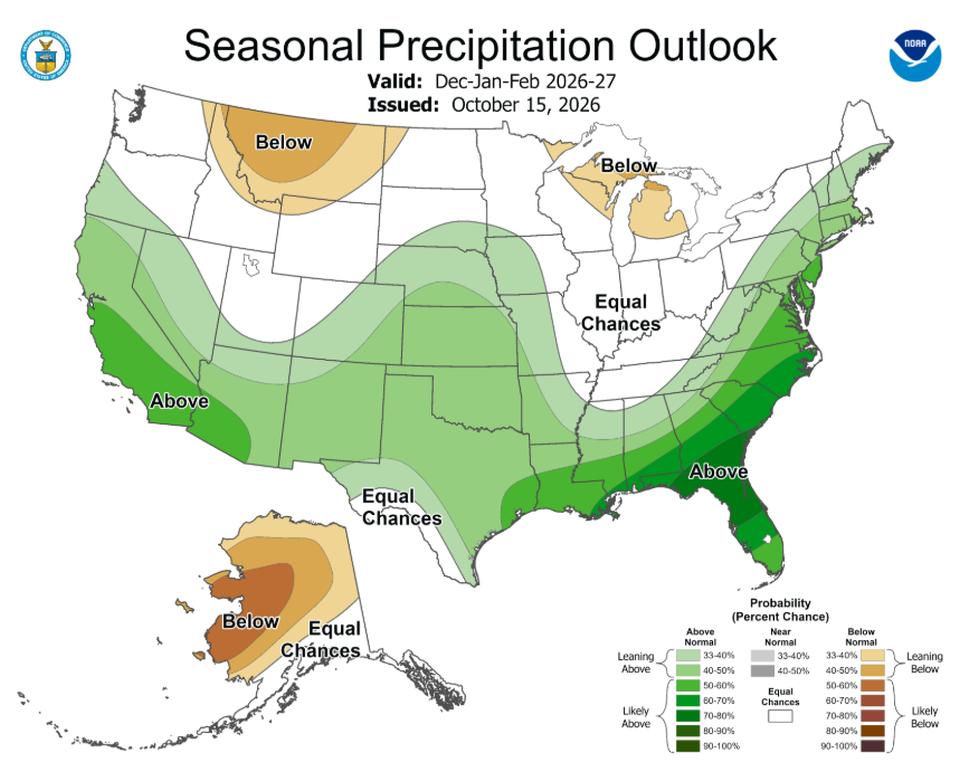
Graphic: NOAA
As the peak of El Niño approaches, ag industry companies and organizations are going above and beyond to reach out to growers proactively to ensure they have done everything they can to prepare. For example, there are free webinars available from the California Farm Bureau, which recently hosted a discussion on pistachios and almonds specifically.
Working With Extra Water in The Fields
Delivering nutrients when rain has already supplied the water crops need can be especially challenging during periods of extended rain. Growers should carefully monitor the weather to determine when to apply fertilizers. For permanent crops, spoon-feeding nutrients between storms is the best way to meet crop needs as the next growing season begins.

During the last El Niño event in 2023, weeks of heavy rain put fields of strawberries on California’s Central Coast under water.
Photo courtesy of California Strawberry Commission
Crop nutrition is going to be more important than ever this year. Plants that receive the right amount of nutrients at the right times, directly to the root zone, are more likely to be resilient and recover faster from these climate challenges. As things start to dry out in the spring, healthy plants will be better suited to withstand the potential threats of root rot or mites.
An Ounce of Prevention Is Worth More Than A Pound of Cure
How the season unfolds remains uncertain, but the potential for repeated strong storms extends from late fall through winter and spring, disrupting critical work that depends on field access. Farmers are advised to use this moment, before the rains start, to prepare.
Once the rain starts, check with your trusted local sources and vendor-partners for the latest information. Together, specialty growers can weather the storms and have a successful harvest next season.