



Opinion: Find Your Place
 August 1, 2008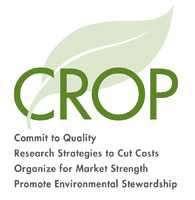
It was only a couple years ago that I predicted (maybe not out loud, but at least in my own mind) that the mid-size fruit grower was in real trouble. It seemed as if there was only room for two types of growers: the large-acreage producer, who could provide a yearly supply of fruit to buyers around the world, and the small grower who specialized in direct marketing and made their living drawing in local consumers.
(Note: I’ve found several examples of what constitutes a small, medium, and large-sized grower. For the sake of argument, let’s say a small grower has fewer than 50 acres, a mid-size grower has between 50 and 500 acres, and a large grower has anything above 500 acres).
Anyway, since then, my thoughts on where the mid-size grower fits into the market has changed dramatically. The reason for this is that I think the needs of the small and large grower have become much more pronounced. A large grower may have the revenue and market share to compete, but input costs and a shortage of skilled labor are causing more headaches than ever. Meanwhile, a small grower must often rely on their customers making the effort to come to them. At a time when gas prices are topping $4 a gallon, too many consumers are cutting out extra trips.
Opportunity Knocks
As a result, there is now an opening for mid-size growers to find a place in the market. Their costs of doing business aren’t astronomical, and less acreage means less of a crunch on labor. Meanwhile, they have the means to diversify both the crops they grow, and how they sell them, so they don’t have to rely on one means of income.
I would point to our Apple Growers of the Year, Evan and Nathan Milburn (featured in this month’s cover story) as an example of this. They recognized the difficulty in competing with large-scale producers, and as a result, they shifted their business strategy to focus on retail farming, as opposed to wholesale. But they also had enough land that they could offer a huge selection to their customers. And it’s not just in the diversity of crops they grow. The Milburns also specialize in entertainment farming, and have worked hard to give families a reason to come out and spend the day with them.
In order for the mid-size grower to survive, I think following the principles of American Fruit Grower’s CROP initiative is a good start. As you can see to the left, quality governs everything, and if you are committed to giving your customers the best product at all times, they will want to come back to you. You also want to make sure your operational costs don’t get too exorbitant — one of Evan Milburn’s favorite quotes is, “Never go too deeply into debt.”
In this case, I would add one more component to the list: Engage the consumer. The “buy local” movement presents more of an opportunity than ever, but it still won’t be successful unless you make it a priority to find out exactly what your customers are looking for, and do everything in your power to give it to them. Even someone who wants to support their local producers won’t do so for long if they don’t feel their needs are being met.
Don’t misunderstand me — I do think there is room for growers of all sizes to compete, as long as they play to their strengths. Make sure you know exactly where you fit in today’s market, and if need be, change your business direction to ensure you’re giving your customers what they want. It worked for the Milburns — it can certainly work for you.
Subscribe Today For
