



Ways Weather Can Throw Off Weed Control in Vegetable Crops
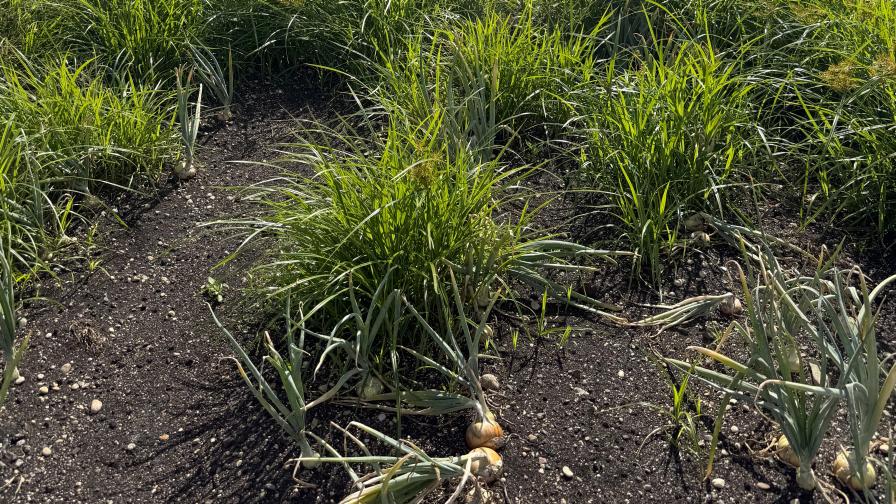
Variable weather can interfere with herbicide timing, allowing weeds to establish and compete before treatments take effect.
Photo: Michigan State University
Weather variability is making it increasingly difficult for growers to stay on schedule with critical crop protection decisions. Delays in herbicide applications, shifting soil conditions, and unpredictable rainfall can affect their growing season. As a result, growers are being pushed to adapt their weed control strategies in real time to maintain performance in the field.
Timing Struggles
One of the biggest challenges growers struggle with most when weather disrupts crop protection is keeping herbicide applications on schedule.
“Many residual herbicides used in vegetable production must be applied within a relatively narrow window around planting and crop emergence in order to provide effective early season weed control,” Joshua Miranda, Assistant Professor at Michigan State University.
When wet conditions keep equipment out of the field, growers often lose the opportunity to apply herbicides at the ideal time and may have to spray in less-than-ideal conditions. That shift can lead to weaker weed control or increase the chances of crop injury, depending on the product used and the crop’s stage of development.
Weed management becomes more challenging when herbicide application timing is disrupted. “If preemergence herbicides are delayed or skipped because fields are too wet to enter, growers often have to put most of the control pressure on postemergence herbicides and mechanical cultivation,” Miranda says.
These methods can still provide control, but they are most effective when weeds are actively growing. As weeds get larger, gaining consistent control becomes more difficult.
Soil moisture plays a major role in how effective cultivation can be. Fields that are too damp risk of compaction and potential crop damage, while extremely dry soils can limit the ability to uproot weeds or disrupt the surface enough to stop regrowth. When delays result in crops and weeds emerging at the same time, growers are left with fewer control options and a much tighter window to act.
Overlooked Challenges
Production timing challenges are often influenced by environmental conditions, a factor that is frequently overlooked. One key example is the impact of weather on herbicide performance. Many soil-applied herbicides rely on rainfall or irrigation to move the product into the upper soil layer where weed seeds germinate.
Without sufficient rainfall, activation can be limited and weed control may be reduced. As well as excessive rainfall can move herbicides deeper into the soil, potentially reducing effectiveness and increasing the risk of crop injury.
Weather conditions can also influence how postemergence herbicides perform. “These products depend on adequate uptake through the leaf surface and movement within the plant to reach their site of action,” Miranda says.
Environmental conditions such as temperature, humidity, and plant stress play a key role in how effectively herbicides are absorbed and moved within the plant. Cooler temperatures or drought stress can slow plant metabolism, which may limit herbicide activity. And rainfall application can reduce effectiveness if the product is washed off the leaf surface before it has time to be fully absorbed.
Input Gaps
“One limitation is that herbicide recommendations often cannot fully account for the range of weather conditions that occur around an application,” Miranda says. “Herbicide performance can be strongly influenced by temperature, soil moisture, and rainfall not only at the time of application but also in the days before and after.”
Rainfall following a soil-applied herbicide is critical to move the product into the upper soil layer where weed seeds germinate. However, excessive rainfall can carry the herbicide deeper than intended, potentially reducing control and increasing the likelihood of crop injury.
With postemergence applications, performance is largely driven by environmental conditions. Factors such as temperature, humidity, and plant stress influence how readily the herbicide is taken up and redistributed within the plant, ultimately determining how effective the treatment will be.
Much of today’s guidance comes from controlled research settings, but in practice, growers are making decisions in far less predictable environments. Variability in rainfall, differences in soil across a field, and limitations in equipment or timing can all impact how herbicides actually perform.
“There is growing interest in tools that help growers make more informed decisions based on real-time conditions,” Miranda says. “For example, on-farm weather stations, soil moisture sensors, and other precision agriculture technologies can help monitor temperature, rainfall, humidity, and soil conditions that influence herbicide performance and application timing.”
These tools support better timing for applications and cultivation, allowing growers to adjust their weed management strategies as field conditions shift.
Subscribe Today For
