Farm Management
The recent release of USDA’s Census of Agriculture shows some interesting trends in the demographic makeup of our nation’s farms and farmers.
Programs created allow producers to protect land and help new, minority, and veteran farmers get their start in agriculture.
USDA report cites rising prices and increased volume as main factors behind projected windfall.
New board members bring business experience and much more to the the table.
Outlook calls for near to slightly below average precipitation around the region.
Setting goals and plotting how to reach them can help young farmers successfully navigate today’s financially troubled waters.
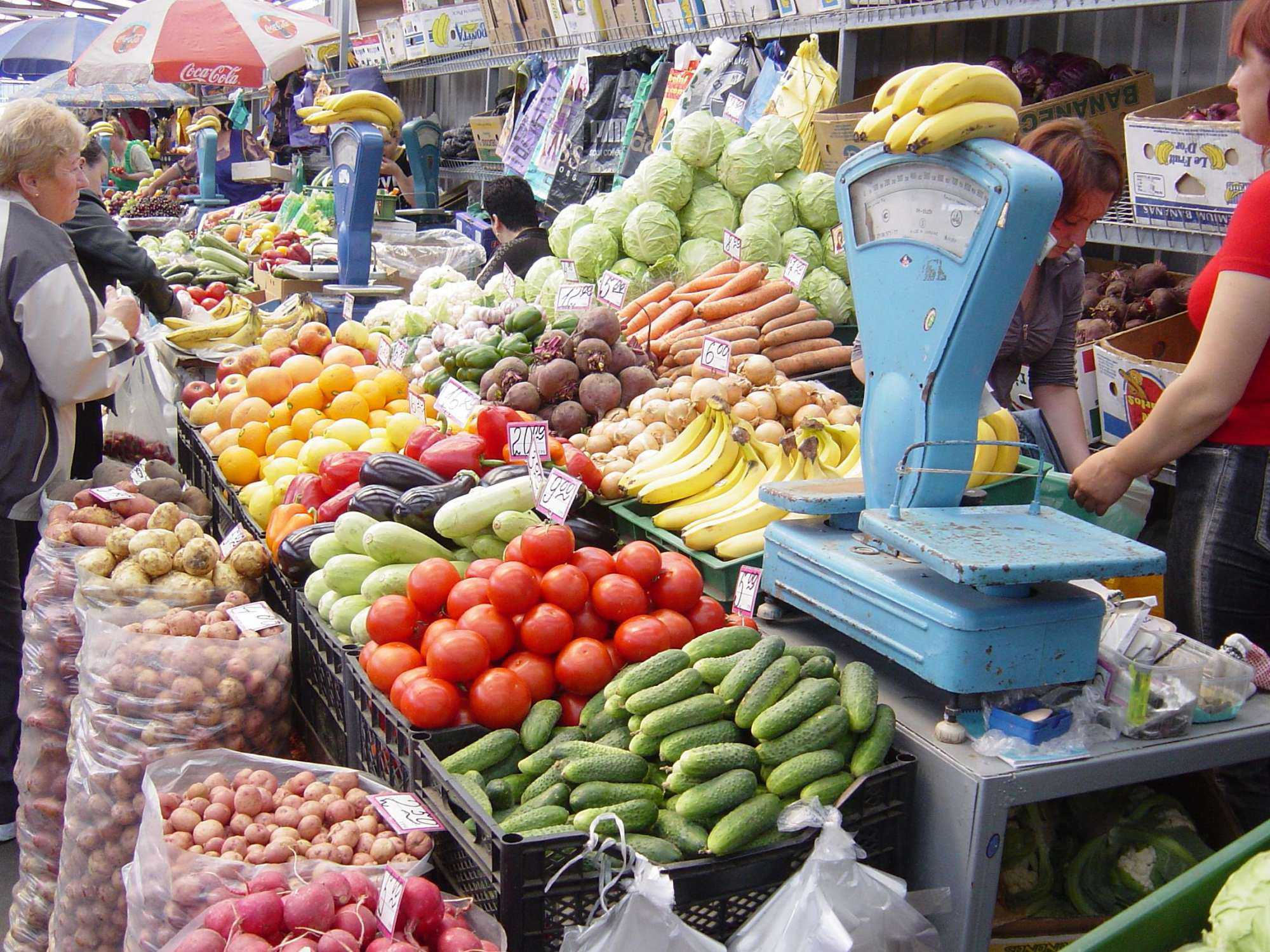
SNAP, or the Supplemental Nutrition Assistance Program allows recipients to redeem funds at both farm and farmers markets, and the number of markets accepting the funds is steadily increasing nationwide.
Keeping your Facebook strategy fresh — and experimenting with social media tools — will help you engage with your produce buyers in as many ways as you can.
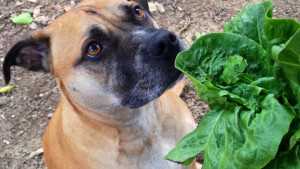
Man’s best friend is being trained to use scent detection to identify contaminated produce.
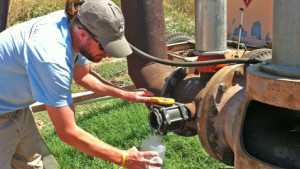
The Western Institute for Food Safety and Security is focusing on rural communities and making them aware of threats to crops or livestock.
Participants in Agriculture Risk Coverage or Price Loss Coverage are subject to acre-for-acre payment reduction when fruits, nuts, and vegetables are planted on payment acres.

Research aims to help producers and sellers clarify the differences, market appropriately.
Florida specialty crop producers stand to benefit from many funding-fueled provisions included in the law.
Greater opportunity for students, plus better educated workforce for industry, is a win-win.
Whole-Farm Revenue Protection will provide flexible coverage options for specialty crop, organic, and diversified crop producers.
Tomatoes, peppers, potatoes, and snap beans among the most sought-after goods.
When dealing with disaster, complacency can kill your farm.
Now, more than ever, we must have the foresight to invest our time and money to prepare a workforce capable of addressing food security in the future.
Label identifies, promotes and supports agricultural products grown and raised by U.S. military veterans.