



Who Holds the Future of Caneberry Development in Their Hands?
 June 16, 2026
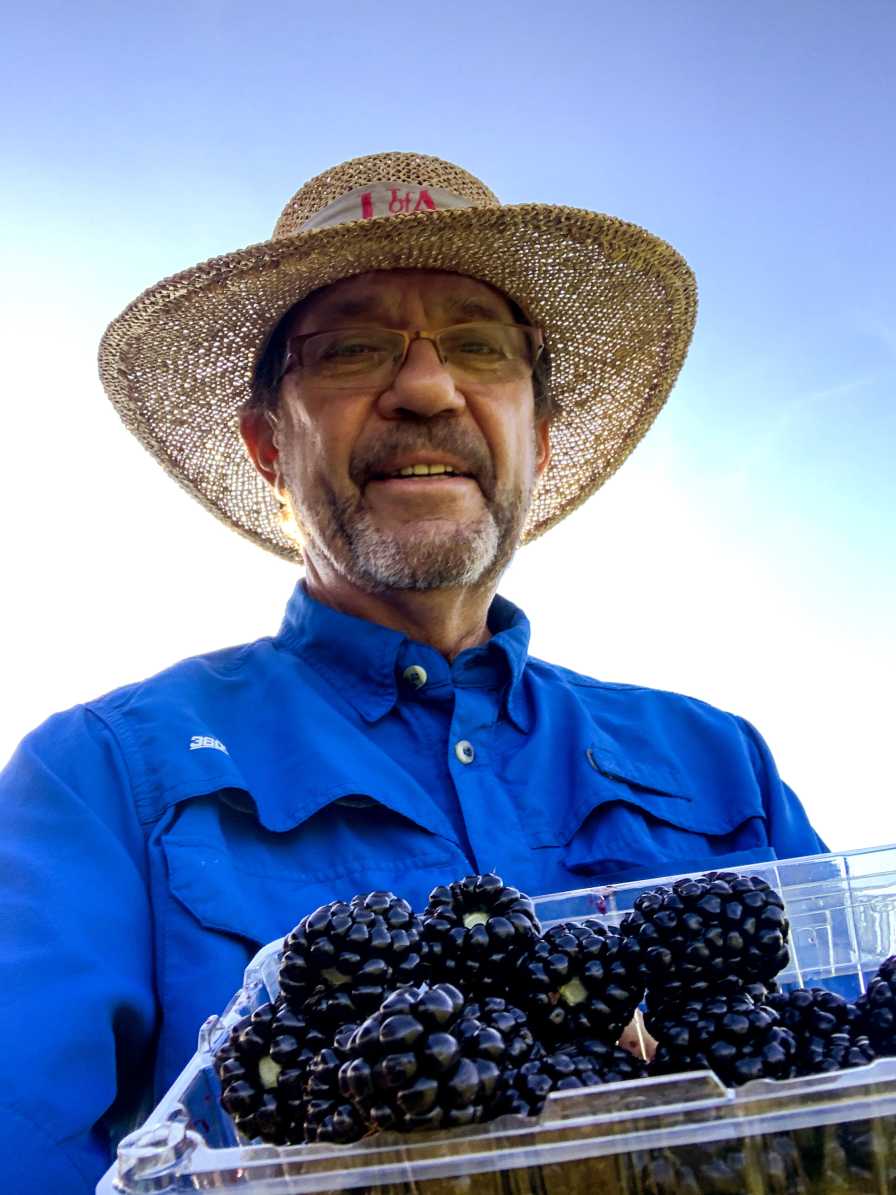
 Earlier this year, I had the honor of speaking at the North American Raspberry and Blackberry Association meeting in San Luis Obispo, CA. It was a joyous occasion for me, as I had attended NARBA meetings for several decades, and I got to see many old friends as well as make new ones. I even got to play a few tunes for the attendees, including the composition “Welcome to NARBA” composed for the meeting. I think everyone had a fine time at the meeting. The meeting included an afternoon tour of caneberry production locations of Driscoll’s growers, and we were all treated with some excellent samples of four berries on the tour.
My topic focused on global trends in caneberry breeding, with a primary focus on North America. Before I got into individual crops, I highlighted major shifts over the past few decades in near-obligate protection of new varieties (as opposed to non-protected releases as done years back by public breeding programs), plus the major shift from only public programs to a wide array of private breeding programs. This has been one of the largest shifts in berry breeding. Key to this is the value and profitability in berries that has expanded private interest.
PRIVATE PROGRAMS RESHAPE CANEBERRY BREEDING
A primary source of information for my presentation was the Fruit and Nut List compiled by the American Pomological Society and its primary registrar, David Karp. I reviewed the registrations of caneberry varieties registered in North America, including those that had U.S. patent or Plant Variety Protection issued, as well as Mexican and Canadian Plant Breeders Rights applied for or issued. My review was for 2016-2025.
I was very surprised in what I found!
A FLOOD OF NEW BLACKBERRY AND RASPBERRY VARIETIES
There were 157 new blackberry varieties registered in North America; I had no idea there were close to that many in 10 years. The breakdown of these was very interesting also:
- 76 of 157 developed in Mexico (48%)
- 26 from Driscoll’s
- 17 from the University of Arkansas
- 15 from Europe
- 9 from the USDA-ARS
A further examination revealed that 18% were from public programs — 82% from PRIVATE PROGRAMS! All of this information was very striking to me.
For red raspberries, there were 156 registered in 10 years. The breakdown of these was:
- 76 of 156 developed in Europe (49%)
- 17 from Mexico
- 17 from Plant Sciences Inc.
- 16 from Driscoll’s
- 10 from U.S. public programs (Cornell University, Washington State University, USDA-ARS)
- 8 from Hortifrut Genetics (Pacific Berry Breeding)
- 7 from U.S. private programs (other)
Further, among these, 6% were from public programs — 94% from PRIVATE PROGRAMS!
Questions always arise about how many of these varieties might be commercially important now or in the future. That is difficult to assess. Many varieties are protected immediately after development, and they then must find their way into commercial use. Plant breeding is an inexact science, and variety failure is very common. Time will tell how many of these have any impact, and where.
I remember when I finished graduate school in 1983, there were only three or four private fruit breeding programs in existence in the United States, including a couple of tree fruit programs in California as well as strawberry and raspberry breeding by Driscoll’s. This tremendous shift is impacting variety origin, availability to growers, and genetic diversity included in new varieties.
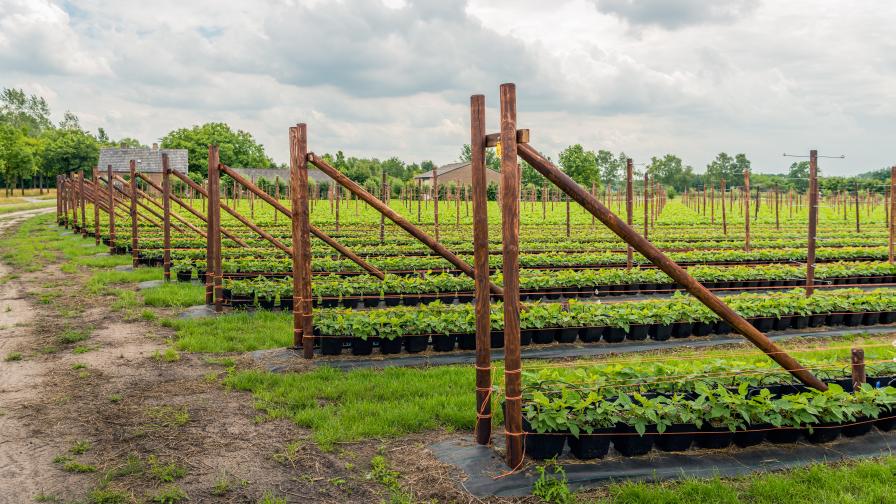
Raspberry nursery with potted plants at the beginning of the growing season.
Photo: Ruud Morijn, AdobeStock
WHAT THE SHIFT MEANS FOR GROWERS
One of the major concerns I have is variety availability to growers. In my presentation, I made these comments:
If a grower is associated with a proprietary developer/marketer or club or other arrangement, then is likely in a strong position (depending on the breeding program associated with this relationship).
Large commercial non-associated variety availability — with a private program or club — could be a concern.
Local growers who conduct on-farm sales, utilize farmers markets, PYO, etc., could have restriction in varieties they can access. This due to small acreages that do achieve market size for private varieties.
Further, I shared these thoughts:
I suggest that U.S. growers-non-associated keep an eye on
1. Public programs that release available varieties
- Provide monetary support — royalties, grower organization support.
- Keep in contact with university or USDA-ARS programs to encourage decisions on program direction and the maintenance of breeding positions.
2. Also keep an eye on nurseries (an example is Nourse Farms) that develop or market proprietary varieties in the commercial market — and keep these available for local growers.
Overall it is very positive that our berry crops are so economically important in current times. I think it exciting that the private sector now plays such a large role in variety development. A blend of private and public programs seems to be the best approach forward. Time will tell how this all unfolds.
Let the berry good times roll!
Subscribe Today For
