




Ask the Expert: Nematodes Do More Damage to Crops Than You Think
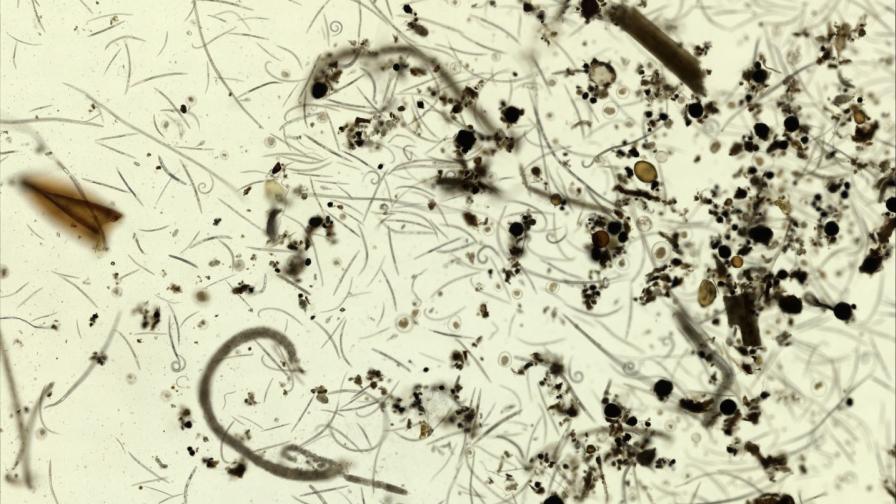
Though hidden in the soil, nematodes can have a significant impact on crop yields.
Photo courtesy of Peter DiGennaro
Nematodes can build up in the soil over time. When they are fully established, the pest can do considerable damage to crop stands and final yields.
We asked Dr. Karla Medina, Field Development Manager Southeast U.S. for Certis Biologicals, for tips on how to identify and address nematodes.
What are some of the major vegetable or small fruit crops impacted by nematodes in Florida?
MEDINA: Nematodes are one of the major pests in vegetables and small fruit crops systems in Florida. Sandy soils make for an ideal environment. Fruiting vegetables, like tomatoes and cucurbits including cucumber, watermelon, and squash are very susceptible. Nematodes are one of the major pests impacting yields of strawberries, which are an important small fruit crop.
What kind of damage can nematodes cause to crops?
MEDINA: Nematodes attack the root system of crops. A compromised root system will interfere with nutrient uptake and render plants susceptible to other biotic and abiotic stressors. Plants often will look stunted and chlorotic, and, most notably, crops experience a significant yield drag. Depending on the nematode prevalent in your field, roots typically will look swollen, have galls, and develop poor fibrous lateral roots systems.

Dr. Karla Medina
What are some scouting tips for nematodes?
MEDINA: Scouting will consist of taking soil samples from the fields of interest to a nematode diagnostics lab to determine the presence of plant parasitic nematodes. Soil at the time of sampling should not be too wet or too dry. The best approach is to take several soil cores at a depth of 4 to 8 inches, following a zigzag pattern since nematodes are not uniformly distributed. When to sample will depend on if you are diagnosing a presence of nematodes once the crop has been established or preparing for the next growing season. For planning a nematode management program in anticipation of your next crop, the best timing is to sample before harvest or at the end of the existing crop season, as this is when nematode numbers build up high enough to provide a better indication of the nematode pressure. If sampling for diagnosing a nematode problem within the growing season, take soil samples from around the hot spots and, in addition, include roots taken from within the root zone of affected plants. Plants should still be alive.
What are some management options for nematodes?
MEDINA: Beneficial fungus can be utilized in an integrated pest management approach. MeloCon WG is a beneficial fungus, Purpureocillium lilacinum strain 251 (formerly known as Paecilomyces lilacinum), that infects and kills plant parasitic nematodes. It is particularly effective on eggs and the immobile stages of juvenile nematodes, but it also is capable of parasitizing all life stages. The product can be applied before planting, at planting, and in season.
MeloCon WG offers flexibility for both conventional and organic systems. The best-use practice is to include it within an integrated program for long-term management of nematodes. Fumigation is commonly practiced in Florida for control of diseases, weeds, and pests like nematodes. If the soil has been fumigated, make the initial application to the soil just before, at, or after transplanting. If there has been no fumigation, then MeloCon WG can be applied up to 14 days before planting to help reduce numbers. In-season applications are recommended if the field has a known history of nematodes and if the crop has a long growing season. End-of-season applications are recommended to reduce inoculum that has built up through the growing period. For double crops, an application at the end of the existing crop season or at the time of planting the new crop is recommended, as the effect of fumigation typically has worn out and nematode numbers would have rebounded.

What’s Bugging You?
Insect pests can plague your vegetable and small fruit farms. And Florida is the tip of the spear when it comes to various bugs, worms, and flies that feed on your crops. Our climate and geographic location make the Sunshine State a prime target for existing and new invasive pests. These insects reduce crop yields and cause millions of dollars of damage each year. That’s why you need to stay on top of these threats through proper identification, scouting, and taking control measures when necessary.
There are various resources available to help in this task, including Extension personnel, UF/IFAS researchers, and independent crop consultants. Industry suppliers are also a good resource for expertise on various insect pests. They are in the fields running research trials and monitoring pest pressures all season long, and many carry Ph.D.s.
We will be tapping into these pest professionals on occasion in a new feature called “Ask the Experts” that inquires about the pests that could be hurting your production. This month, in addition to nematodes, we will be featuring whiteflies and spider mites.