




Impacts of La Nina, Changing Weather Patterns May Increase Nematode Populations
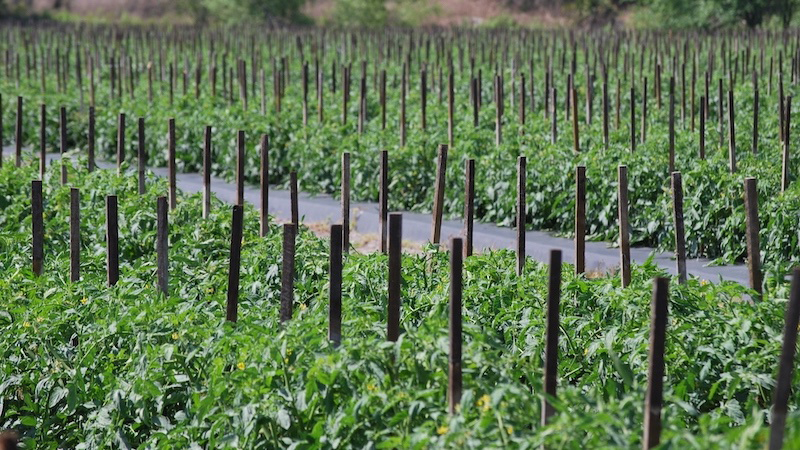
Protect the health of your vegetables from plant-parasitic nematodes by using Salibro® nematicide with Reklemel™ active from Corteva Agriscience.
Every few years, powerful trade winds and warming tropical ocean waters spawn thunderstorms associated with global weather phenomenon El Nino. On the opposite side of the cycle is another weather phenomenon called La Nina, which increases the chances of drier and warmer winters.
The health and physiology of plant-parasitic nematodes, and nematodes in general, are greatly influenced by warmer winter temperatures ushered in by La Nina. These and other biological and environmental factors influence the survival, distribution, and reproduction of plant-parasitic nematodes, and correspondingly, the damage they can do to vegetable crops.
“As we move from an El Nino to a La Nina weather pattern, we have to remember that nematodes may adapt to these changing conditions based on their species and location. With warmer winter temperatures, nematodes may avoid going dormant and remain active, even in the winter season,” says Intiaz Chowdhury, University of Georgia assistant professor of cotton and vegetable crop nematology. “This will require growers to adjust their nematode control plans the next growing season, especially in high-value crops like vegetables.”
Warmer temperatures may provide favorable conditions for survival and reproduction of plant-parasitic nematodes as planting begins for the next crop of vegetables. These microscopic roundworms cause untold damage each growing season to multiple crops. In vegetables, nematode damage causes poor plant growth and reduced size and weight compared to what a normally healthy plant would yield. Proactive control efforts are critical to help mitigate crop damage and, hopefully, avoid additional input costs later in the growing season.
Of all the plant-parasitic nematode species, the most threatening to vegetable production is the root-knot nematode. Plant root galling is the well-known telltale sign that nematodes are present, but accurate identification requires analysis of soil samples from affected fields. Factors including plant-parasitic nematode’s in-field distribution, incidence, and abundance play a critical role in developing an effective nematode management program and can also be determined from analysis of soil samples.
It is estimated that nematodes cause $80 billion in crop yield and quality losses each year.1
“They threaten our global food security, farmers’ return on investment and, ultimately, their economic bottom lines,” says Jared Walls, market development specialist, Corteva Agriscience. “Many vegetable growers are recognizing the value and adding Salibro nematicide with Reklemel active to their nematode control programs because of its selective control of plant-parasitic nematodes and its exceptional compatibility with beneficial nematodes, soil fungi and soil bacteria. Salibro nematicide is a true nematicide and is also a great product to help fight resistance.”
Chowdhury notes that Salibro® nematicide with Reklemel™ active is effective at targeting plant-parasitic nematodes while not impacting the good nematodes, which serve a very important purpose in any plasticulture crop production setting.
Plant-parasitic nematodes, including root-knot nematodes, can undergo multiple generations during the growing season and build to unmanageable levels on susceptible crops. Regular soil sampling and use of a soil-applied nematicide, like Salibro® nematicide, can keep the populations under check.
“Salibro nematicide is revolutionary in a sense, because there are few non-fumigant nematode control products that work effectively,” Chowdhury concludes.
For more information on how to control plant-parasitic nematodes with Salibro nematicide, visit Corteva.us/Salibro. Add Vydate® L insecticide/nematicide to your toolbox and strengthen your overall program approach to nematode control.
1Noling, J. W. 2019. Movement and toxicity of nematicides in the plant root zone. https://edis.ifas.ufl.edu/publication/NG002
™ ® Trademarks of Corteva Agriscience and its affiliated companies. Reklemel™ is a registered active ingredient. Salibro® is not registered for sale or use in all states. Contact your state pesticide regulatory agency to determine if a product is registered for sale or use in your state. Always read and follow label directions. ©2024 Corteva. 021010 BR (06/24) CAAG4SBRO057