




Plant Cuticle Care is the Foundation for Quality Crops
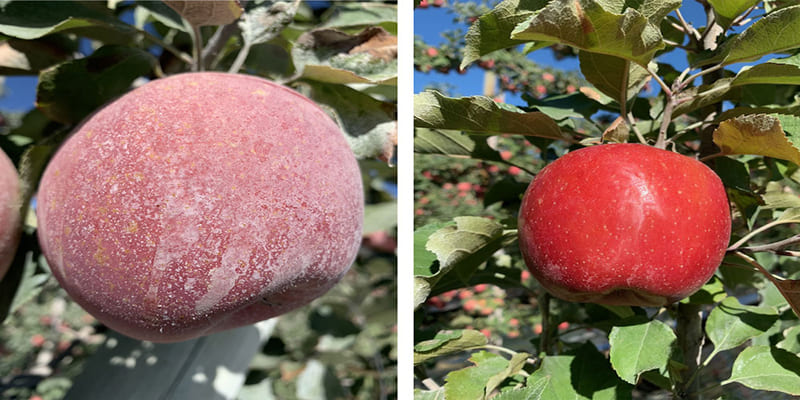
Fruit trees are frequently exposed to environmental stressors that impact their health and production. Drought stress, UV radiation, pathogen infection, water loss and changing climates all cause significant impacts to fruit. To resist these adverse environmental conditions, plants have developed adaptive stress responses. One of these responses is the protective barrier known as the cuticle.
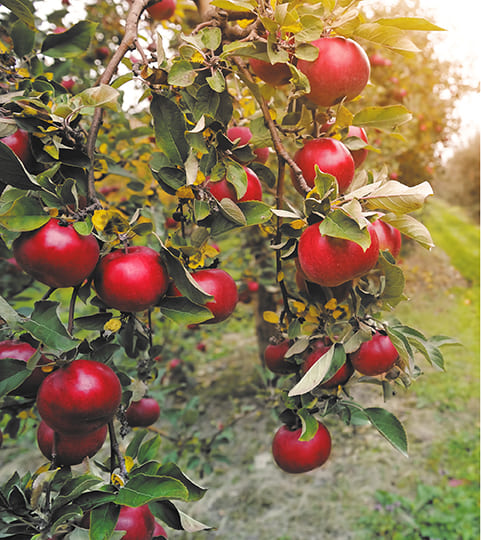
What is the plant cuticle?
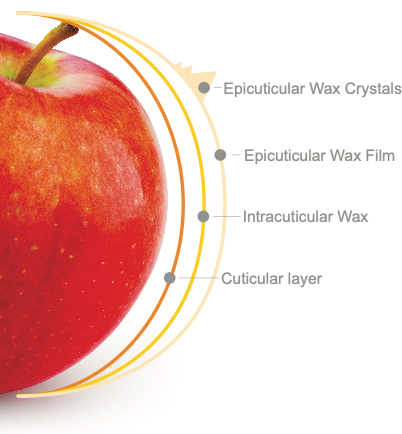
As the outermost layer of a plant, the cuticle acts as a barrier between the plant and the environment. The cuticle is made up of two separate layers encompassing the cellular wall of the fruit and the leaves, roots and stems of plants.
The first layer of the cuticle is comprised of cutin, a variety of waxy polymers, embedded with polysaccharides. Made of fatty acids, polysaccharides encompass the hydrophilic cell wall providing rigidity to the plant and the flexibility to withstand growth. This layer is essential for gaseous exchange, nutrient transport and transpiration.
The second cuticle layer, found on the surface, is made up of hydrophobic cuticular waxes instrumental in the plant’s permeability to water. These epicuticular waxes are responsible for the glossy appearance on many leaves and fruits. Both cuticle layers are produced by the epidermis of the plant during early growth stages.
What is the role of the cuticle?
Traditionally known for its ability to minimize water loss, it has been found the cuticle has many other benefits to plant health.
The cuticle controls both evaporation and absorption of water, protects the plant against physical and biological attack from pathogens and pests, while also providing structural support. By protecting the plant cuticle, growers can reduce the negative impact on fruit quality and yields in their crops.
Environmental stressors negatively impact every crop by affecting plant growth, development and productivity. During drought or excessive water conditions, the hydrophobic nature of the cuticle protects the plant against water loss and regulates the exchange of water and carbon dioxide with the environment. The waxy, hydrophobic layer of the cuticle also allows the surface of fruit to remain clean and dry.
Many disorders found in fruit are caused by damage from the sun and heat. High temperatures disrupt biochemical reactions fundamental to normal cell functions. If stress is combined with dry conditions, the effect on growth and yield is more severe. The cuticle acts as a buffer allowing the plant to maintain its internal temperature, to a degree, despite changes in environmental conditions. Epicuticular waxes have been shown to filter UV light while favoring light reflection to protect the plant from harmful UV light while still participating in photosynthesis.
First to interact with any type of pathogen, epicuticular waxes in the cuticle are a major determinant of plant-fungal interactions. When pathogens such as fungi and bacteria attack fruit, the cuticle protects plants by acting as a physical barrier and triggering defense mechanisms. Certain wax components can affect various pre-penetration and infection processes of fungi.
The preservation of all these functions requires structural integrity of the cuticle throughout fruit expansion and development. Cuticle weakening in fruits can lead to disorders such as cracking, russeting and skin discoloration, causing severe economic losses for growers and their operations. The mechanical strength of the cuticle plays a pivotal role in maintaining the barrier function of the plant surface.
Plant cuticle protection
Current climate trends indicate environmental stress will continue to impact crops more often and in more areas than ever before. Protecting the plant cuticle will be vital to fruit production worldwide to allow plants to adapt to environmental stress conditions and allow growers to maximize their marketable yield.
To learn more about how you can protect and strengthen fruit and leaf cuticle in your crops, contact your Cultiva representative today or visit Cultiva.com.