



Start Early, Stay Persistent on Apple Scab Management - Growing Produce
  • Crops
    • Back
    • Vegetables
      • Back
      • Cucurbits
      • Leafy Vegetables
      • Potatoes
      • Sweet Corn
      • Tomatoes
      • More Vegetables
      • Grower Achievement Award
    • Fruits
      • Back
      • Apples & Pears
      • Berries
      • Grapes
      • Stone Fruit
      • Apple Grower of the Year
    • Nuts
    • Citrus
      • Back
      • Oranges
      • Grapefruit & Specialty
      • Insect & Disease Update
      • Varieties & Rootstocks
      • Citrus Achievement Award
  • Brands
    • Back
    • American Fruit Grower
    • American Vegetable Grower
    • Western Fruit Grower
  • Events
    • Back
    • Webinars
    • Bio Solutions Conference
    • Fruit and Vegetable Grower Connect
    • Greenhouse Connect
    • CEAg World Conference and Expo
  • Topics
  • Resource Center
  • Subscribe Now
  • Mobile Social Icons
  • Crops
    • Vegetables
    • Fruits
    • Nuts
    • Citrus
    • Back
    • Subscribe
    Back All Vegetables >

    • All Vegetables
    • Cucurbits
    • Leafy Vegetables
    • Potatoes
    • Sweet Corn
    • Tomatoes
    • More Vegetables
    • Grower Achievement Award
    Back All Fruits >

    • All Fruits
    • Apples & Pears
    • Berries
    • Grapes
    • Stone Fruit
    • Apple Grower of the Year
    Back All Citrus >

    • All Citrus
    • Oranges
    • Grapefruit & Specialty
    • Insect & Disease Update
    • Varieties & Rootstocks
    • Citrus Achievement Award
  • Brands
    • Back
  • Events
    • Back
  • Resource Center
  • Subscribe
  • Advertise
  • Subscribe
  • Advertise
  • Subscribe
Muhammad Abdullah, Folio3 Agtech

Muhammad Abdullah, Folio3 Agtech

The Hidden Margin Leak Between Projected and Actual Harvest Dates

Thomas Skernivitz

Thomas Skernivitz

Biofertilizers 101: What Fruit Growers Need To Know

Anthony P. Keinath

Anthony P. Keinath

Powdery Mildew: A Crop Protection Problem That Needs Attention

Carol Miller

Carol Miller

Video: Why Viral Resistance Is the Next Big Hurdle in Melon Breeding

SPECIAL REPORT DOWNLOAD: Your Guide To Pesticide Resistance
Sponsor Content

Presented By Valent

Start Early, Stay Persistent on Apple Scab Management
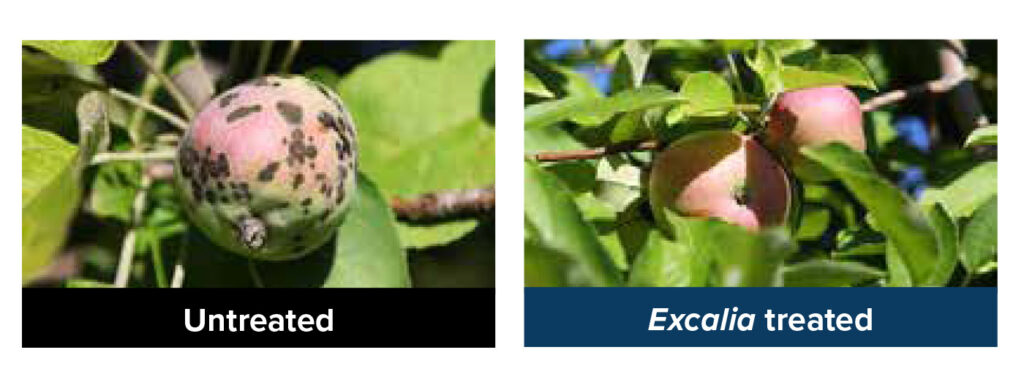
 

Apple growers know the headache of managing scab each season. Prevention is key to staying ahead of these diseases, and now is the time to prepare your plan for next season.

Apple scab overwinters in the orchard and becomes more severe based on in-season weather. Growers should not rely on previous pressure to predict the severity of the upcoming season. Instead, growers must assume these diseases will be present and should manage them proactively to prevent primary and secondary infections.

Apple scab is a perennial problem in cool, wet, temperate production regions like the Northeast and Upper Midwest. Through cultural practices and chemical protection options, such as Excalia® Fungicide, growers can effectively manage apple scab. Excalia is a tool that helps growers start clean by controlling early-season primary infections to minimize secondary spread of scab.

Best Management Practices:

Apple Scab:

  • Remove all fallen leaves and fruit in the fall to reduce infection potential next spring.
  • Apply a preventive fungicide from green tip through petal fall, during the primary infection period.
  • Continue to manage secondary spread with an appropriate fungicide program.

Reducing Diseases

Careful scouting and removal of infested leaves and fruit can help growers proactively manage scab. Additionally, chemical solutions can protect orchards from the start of the season. Excalia is an SDHI (Group 7) fungicide that provides local systemic movement into plant tissue, forming a complete zone of protection on the leaves for powerful early-season disease protection.

Proactive Resistance Management

Being proactive with fungicide applications will help prevent resistance from developing. This is critical to ensure that tools remain effective against these hard-to-manage pathogens in future seasons. Fungicide Resistance Action Committee (FRAC) guidelines for managing SDHI resistance include:

  • Use a product preventively or early in the outbreak.
  • Limit the number of SDHI applications per season; use no more than 2 consecutive applications.
  • SDHIs should be premixed or tank-mixed with other effective modes of action.
  • Practice rotating SDHIs with other modes of action.

Excalia is most effective for early-season use, then rotate to other modes of action (FRAC numbers) after petal fall. To learn more about Excalia, visit Valent.com/Excalia or talk to your retailer.

Always read and follow label instructions.

More from this sponsor

Apple Thinning Checklist and Tips

Apple Thinning Checklist and Tips

Sponsor Valent

There are many factors that impact optimal fruit load each season, but having a checklist is a great […]

Getting the Most Out of Pyganic®: Best Practices for Organic Pest Control

Getting the Most Out of Pyganic®: Best Practices for Organic Pest Control

Sponsor Valent

Organic growers face challenges regarding insect management. However, Pyganic® Crop Protection 1.4II / 5.0II delivers proven control of the hardest-to-control pests, including aphids, thrips, spotted winged drosophila, and navel orangeworm. Click to learn how to optimize your organic pest control.

Latest Stories

Cool Cucumber Varieties You Will Want To Grow Now

Posted by Carol Miller|June 3, 2026

Why the U.S. Apple Industry Is at a Crossroads

By Melinda Taschetta-Millane|June 2, 2026

The Hidden Margin Leak Between Projected and Actual Harvest Dates

By Muhammad Abdullah, Folio3 Agtech|June 2, 2026

New Round of USDA Aid for Specialty Crops Good News for California Walnuts

By California Walnut Commission|June 1, 2026

GrowingProduce GrowingProduce The leader in profits, production and education for produce

© 2026 Meister Media Worldwide

  • About
  • Contact
  • Advertise
  • Subscribe Now
  • Terms of Use
  • Privacy Policy
  • Reprint Permissions
  • Meister Media Worldwide
  • Meister Custom Business Solutions