IFG, one of the largest breeders in the world, offers alternatives to the popular ‘Chelan’ selection.
Oregon-based growing operation continues expansion by adding industry veteran Mike Omeg to management team.
After a tough season, U.S. growers are focusing on the positives for 2020.
Find out why Tree-Mendus Fruit Farm is closing its doors after nearly a century in business.
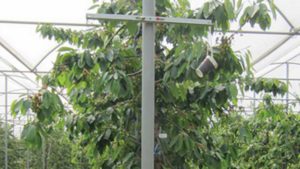
Learn more about a creative fruit production method from the Netherlands that allows more yield potential.
Little cherry disease has researchers scrambling as it has returned to Washington with a vengeance, leaving growers with few options to prevent its spread.
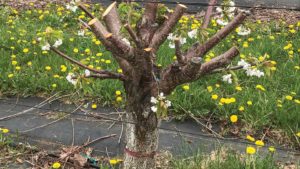
By renewing all fruit-bearing structures on a cycle, your orchard is constantly generating new fruiting shoots.
Sweet cherry grower Mike Omeg offers suggestions on how to successfully make these novel plant health products part of your farm’s production.
Sweet cherry grower Mike Omeg shares his soil management program — and how it’s delivering big returns.
Purchase, which falls under “Section 32” program, is expected to support growers stung by low-cost imports.
IFTA summer tour-goers learn why Coral Beach Farms goes higher and higher in elevation to push production into the second week of September.
Fruit breeding a hot topic as the International Fruit Tree Association makes first stop at Summerland Research Station in British Columbia.
Cool weather is blamed for the generally smaller crop across the country; however, tart cherries up nearly 50%.
Once an afterthought in sweet cherry production, China has become a major player in the global market.
Summit Tree Sales in Lawrence, MI, presents an early apple for the fresh market, early-to-mid-season cherries, a sweet freestone peach, and more.
For more information on these varieties, contact Fowler Nurseries, Inc. Fowler Nurseries, Inc. 525 Fowler Rd. Newcastle, […]
For more information on these varieties, contact Fowler Nurseries, Inc. Fowler Nurseries, Inc. 525 Fowler Rd. Newcastle, CA […]
The Northwest Farm Credit Services has released its quarterly Market Snapshot publications that look at the state of major agricultural commodities in the Northwest, including apples, cherries, onions, pears, and potatoes.

Why the pest can be so much more destructive for Eastern cherry growers might be due to what they’re not farming.