New research from USDA ARS suggests microbe communities in romaine play a bigger role than expected.
Since the outbreaks are recurring, the agency says growers can prevent spreading future infections.
CDC and FDA declare the most recent outbreak has ended without identifying a specific crop.
Find out what the California and Arizona Leafy Greens Marketing Agreement are doing to help prevent another significant E. coli outbreak.
FDA declares the food safety outbreaks are over.
The main Salinas-linked outbreak and the two smaller ones have a common denominator — an unnamed grower. The agency, however, emphasizes that it is treating the three investigations as independent outbreaks at this time.
CDC and FDA say Salinas-grown romaine is at the heart of E. coli outbreak.
The numbers look just as we all thought they might. Growers harvested 15% fewer acres of romaine in 2018 — a big drop in one year.
Understanding pathogenic bacteria in agriculture helps us better appreciate what the produce industry faces when it comes to improving food safety.
This past year, romaine-related outbreaks hit the leafy green industry hard. Here are the steps it’s taking to ensure a healthy future.
After calling for those in the U.S. food chain to destroy all romaine lettuce last week, FDA and […]
Efforts being made on labeling to show where the lettuce is grown so Arizona and Florida growers can still bring their crop to market.
With the latest romaine-linked foodborne illness outbreak making news, here’s a look back at the three previous outbreaks. […]
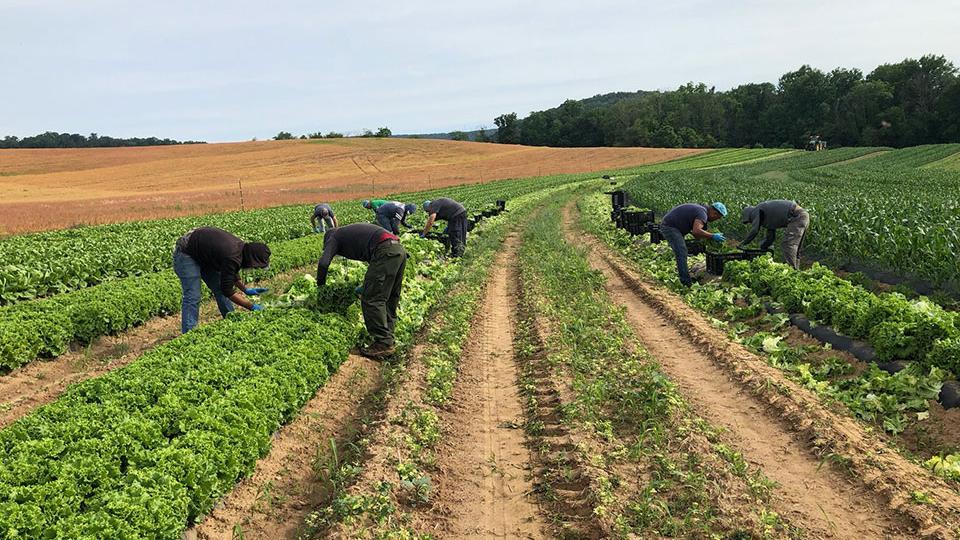
The FDA, along with local and state officials, traced the tainted romaine to several farms in the region.
A concern for safe food has spurred reporters to dig into the causes and make suggestions on how to ensure it doesn’t happen again. Naturally, some suggestions are stronger than others. Here’s a brief review of what’s being discussed:

A multi-state and Canadian e coli outbreak has lead to the organization (and the Canadian government) to urge consumers to not eat romaine.
First felony conviction under Michigan’s state food law; owner charged with willful misbranding and adulteration of food products.
California field studies on E. coli and Salmonella will lead to better food safety policies.