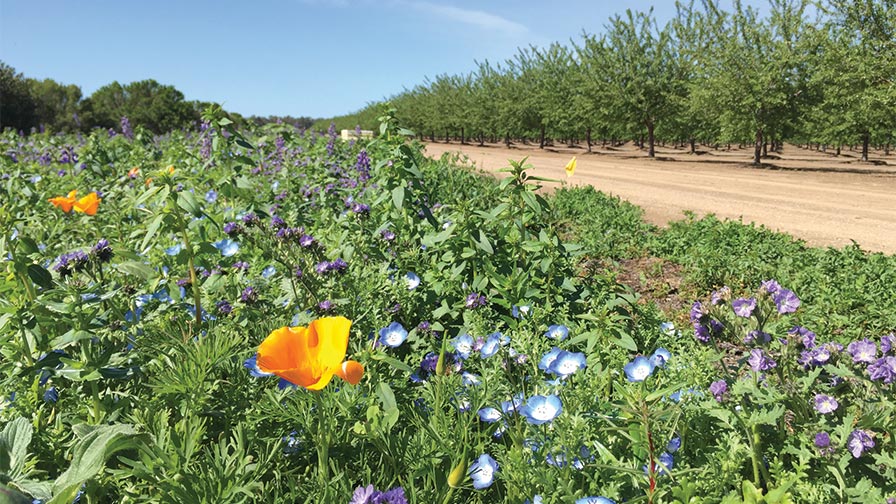
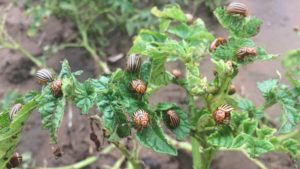
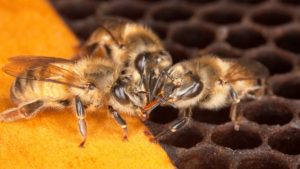
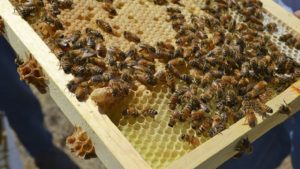
A $6 million grant from USDA aimed to help researchers explore alternative management solutions in lieu of using neonicotinoids.
Researchers find that clothianidin’s negative affects on wild bees include impairing the bees’ ability to pollinate strawberry flowers.
Peer-reviewed evaluation of more than 100 studies finds uses of imidacloprid are unlikely to harm aquatic invertebrate communities, or the birds and fish that rely on them.
The goal of the research team is to help growers of cucurbits achieve effective pest control while protecting honeybees and other beneficial pollinating insects.

Washington State University researchers reveal the controversial pesticides aren’t dangerous for bees in the real world.
Minnesota National Public Radio recently reported on a whistleblower complaint filed by USDA entomologist of USDA’s Brookings, S.D., […]
The Ninth Circuit Court of Appeals Thursday rejected the EPA’s approval of the insecticide sulfoxaflor (Closer, DowAgroSciences). The […]
Environmental and food safety groups express concern over honeybee health.