



Biotech Benefits
 June 30, 2011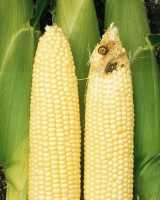
In recent months, a couple of numbers have been tossed around regarding the world’s future population. Along with numbers has been a discussion on how all those people will be fed. Predictions indicate that by 2050, nine billion people will grace the planet.
To feed everyone, some have said that genetically modified (GM) crops will be the answer. But what about consumer acceptance? According to several involved in vegetable seed production, consumers are not ready to accept GM vegetables yet — at least for the most part.
In the vegetable arena, what will be necessary to promote acceptance is education, says Ross Rispens, vice president of Rispens Seed Co. “[The seed industry] has to educate the consumer as to the benefits of genetic modification,” he explains. “For example, breeders are working to offer better eating quality. Broccoli and brassicas are being bred for phytochemicals that are said to target cancer cells. We need to educate the consumer with information on the attributes and benefits that breeders can bring about with genetically modified crops.”
In addition to providing consumers with crops that have strong health benefits, plant breeders also need to think about the long-term demands that will be placed on agricultural productivity. Genetically modified crops and other biotechnology tools can play into that equation, adds Dan Burdett, head of U.S. customer marketing for Syngenta North America.
The Sweet Corn Exception
One vegetable crop where Syngenta has made an inroad with novel trait development is sweet corn. In 1998, the company introduced its first GM sweet corn, which Burdett says was designed to help growers supplying roadside stands who were dealing with high insect pressure.
“Our Attribute® insect-resistant sweet corn is very popular in the roadside stand market because it helps the growers reduce the amount of sprays they need to control insects,” explains Burdett. “The ears are beautiful because there is very little tip feeding from earworm.”
The benefits of biotech also are being discussed at Monsanto. Sebastian Langbehn, Americas commercial lead, says although most of the company’s vegetable seed research and development is focused on using conventional breeding and advanced breeding technologies such as molecular markers, the company is studying the opportunity for biotech use in vegetables.
In fact, Langbehn says the company will debut new sweet corn hybrids later this year. “This fall we will be launching Seminis sweet corn hybrids with insect protection and weed control,” he explains. “These hybrids are genetically enhanced to provide above-ground and below-ground insect protection as well as tolerance to [glyphosate] agricultural herbicides. These in-crop traits can help farmers reduce inputs, like insecticide and fuel use, and promote sustainable farming practices.”
As sustainability is a key industry buzzword, what role will sustainability play in furthering the advancements of GM crops?
Rick Falconer, vice president/general manager of American Takii, brings up a little known phrase, “Sustainability through Biotechnology.” If we read about research being done in this area, he says, there are traits in the research pipelines that may have a tremendous influence on overall sustainability in the U.S.
“Biodegradable plastics, perennial grains, drought resistance, nitrogen fixation, and healthier edible oils, all are examples that could have a very positive impact on our future,” he says. “I wonder how society will accept these events as they are introduced.”
The Acceptance Of Field Crops
One area where society has given its collective nod of approval is on the field crop side, specifically field corn, soybeans, and cotton. “Virtually all the soybean products that are used in food production are now grown from Roundup-ready soybeans,” explains Don Wertman, chief operating officer at Seedway. “I think the utilization level is in the high 90% range and there is an ever-increasing percentage of hybrid field corn that is genetically modified. There is a percentage of that product that is converted into corn syrup and other products that we eat daily.”
Mark Stowers, vice president of research and breeding at Harris Moran Seed Co., agrees. “Genetic modification has been widely used throughout agriculture for the last 15 years,” he says, “and has been shown to be safe — just not widely used in fruit and vegetable production.”
Part Of A Bigger Picture
As several field crops have gained acceptance, Rick Siegers, president of Siegers Seed Co., suggests that further development in that area should be the focus of research rather than vegetables.
“There is a much larger market for genetically modified products other than vegetables on the world scene,” he explains. “Are we going to have the luxury of growing vegetables or will we have to go back to the staples just to feed these people? Food self sufficiency is very important.”
Legislation has put a crimp in the development of genetically modified crops, but Ton Van der Velden, president and CEO of Enza Zaden North America, predicts that we will be seeing more GM crops introduced in the next 10 years, including vegetables. For example, he says in the future, crops that will have health benefits and drought- and thrips-resistant qualities will be available to feed the growing world population.
Setting technological advancement to the side for a moment, Seedway’s Wertman says consumers need to pay attention to how the weather has recently impacted food production in general. From frosts this past winter to droughts in the Southwest to wet and cold weather in the north, growers had trouble just planting this season.
“Most consumers today don’t know how fragile our infrastructure is and how subject we are to the vagaries of the weather,” concludes Wertman. “I think rather than being concerned about genetically modified vegetables, we need to be concerned about if we will have vegetables in an adequate supply.”
Subscribe Today For
