



Growing With Purpose Made Easy at Moonrose Farm With These Tools
Moonrose Farm, located in Rehoboth, MA, is a diversified vegetable and flower farm run by partners Jordan Goldsmith and Melissa Denmark. What began in 2016 as a large garden has grown into a 2-acre operation rooted in no-till, regenerative practices.
With permanent raised beds, high tunnels, and dedicated flower and vegetable spaces, the farm now serves about 80 CSA members and supplies produce, eggs, and blooms for much of the year.
Learn about the purpose-driven tools and practices helping this small-scale operation grow efficiently, sustainably, and year-round.
Paper pot transplanter
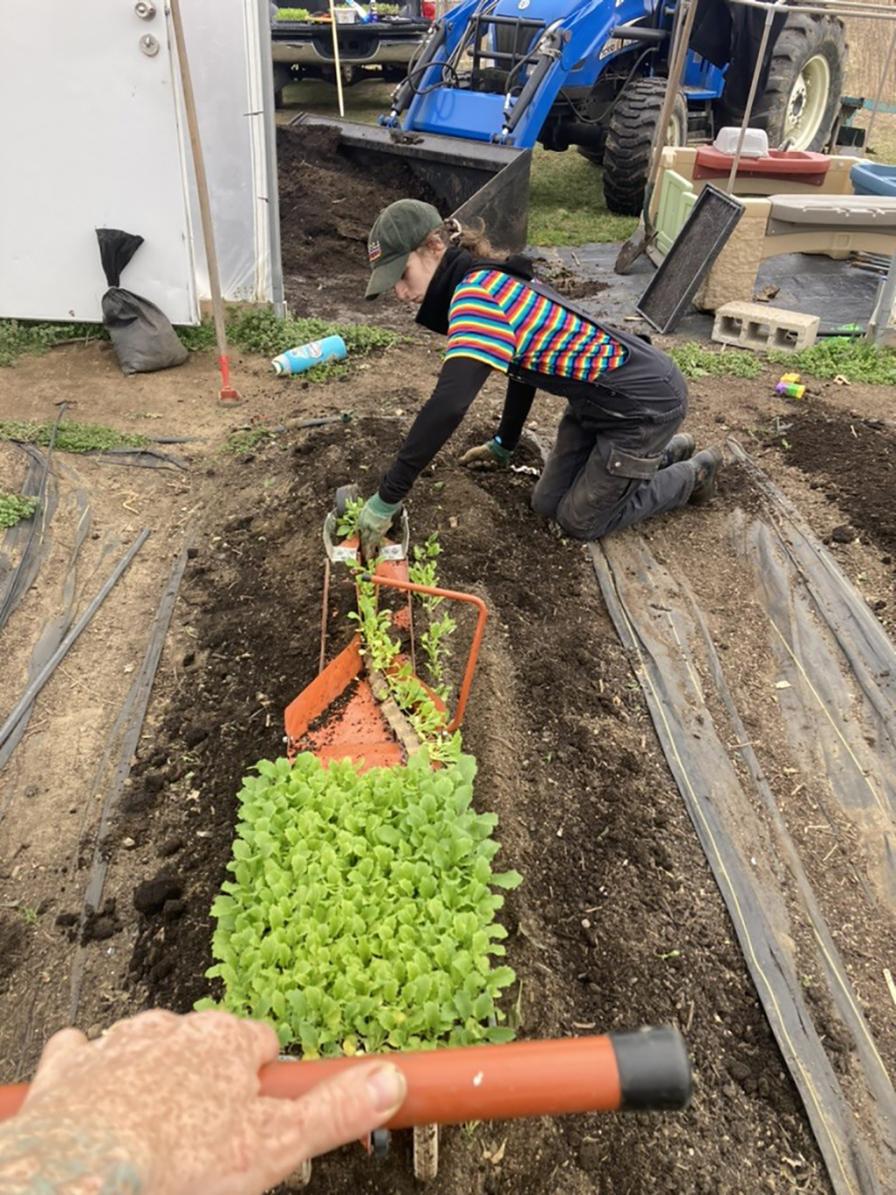
Photo: Moonrose Farm LLC
The paper pot transplanter has become a valuable tool for quick succession of greens, especially inside our high tunnels. While it took time to dial in spacing, timing, and bed prep, it now allows us to transplant efficiently and with much less labor. It’s especially helpful during peak season when speed and consistency matter most.
Buckeye bed shaper
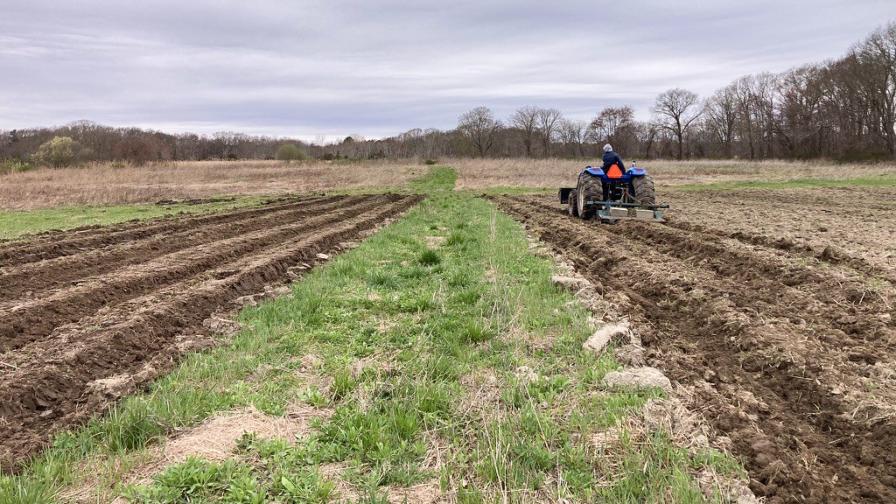
Photo: Moonrose Farm LLC
This tool was instrumental during a three-year process of forming our permanent beds while incorporating compost and planting multiple successions. Now, it’s primarily used for bed renovation and for creating the initial planting hill for single-row potatoes.
Landscape fabric
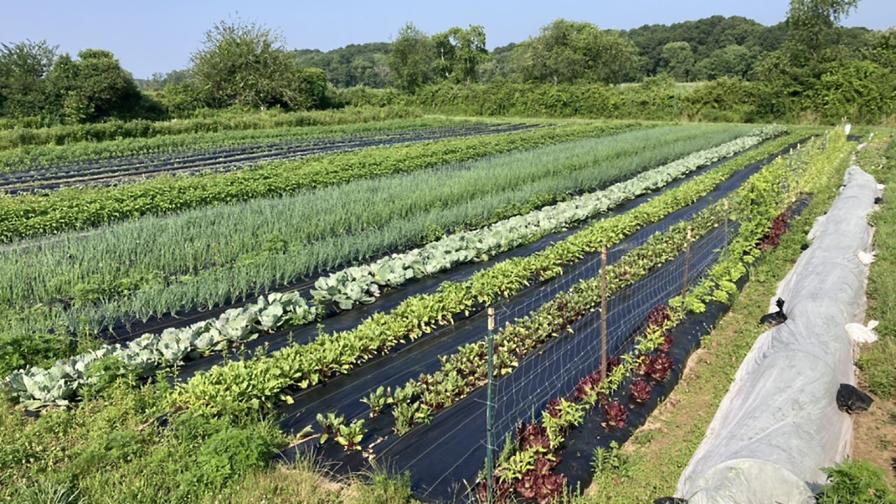
Photo: Moonrose Farm LLC
We rely heavily on landscape fabric to suppress weeds, warm the soil, and reduce erosion. It also allows us to maintain permanent bed and walkway spacing and to protect beds that are temporarily out of production.
55 HP New Holland tractor
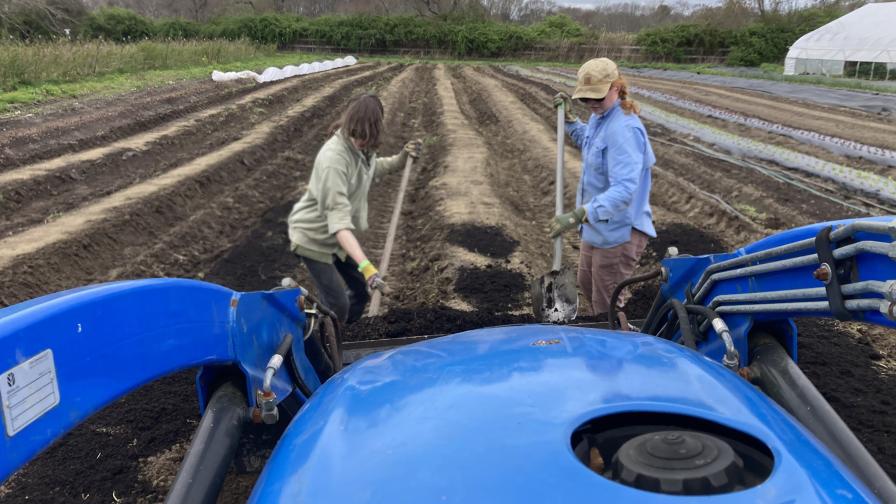
Photo: Moonrose Farm LLC
Our tractor is a core workhorse on the farm. We use it to move compost and field waste, mow headlands, transport pallets of feed and materials, and assist with bed shaping and maintenance. It also pulls our mobile chicken coop so we can rotate birds on pasture.
Greenhouse germination tools
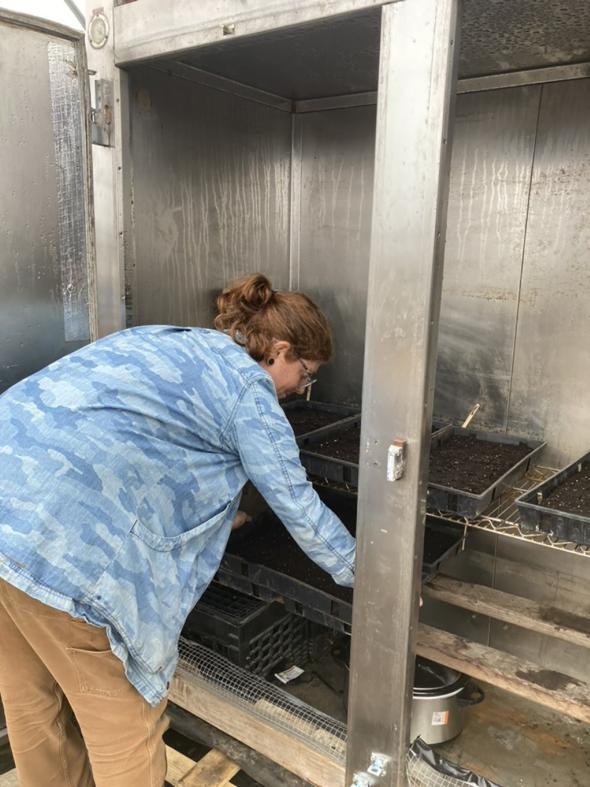
Photo: Moonrose Farm LLC
Over years of careful record keeping and fine-tuning, we’ve dialed in our nursery systems to reduce plant losses and lower our overall cost of production. We start our earliest crops under lights on heat mats in our home basement, which allows us to avoid heating a greenhouse during the last few cold weeks of the season. Once the greenhouse heat is on, recently seeded flats are placed on heat mats inside a custom-built, mouse-proof cage to protect them from being disturbed.
Soil blocks made with Swiftblocker and Fort Vee Compost
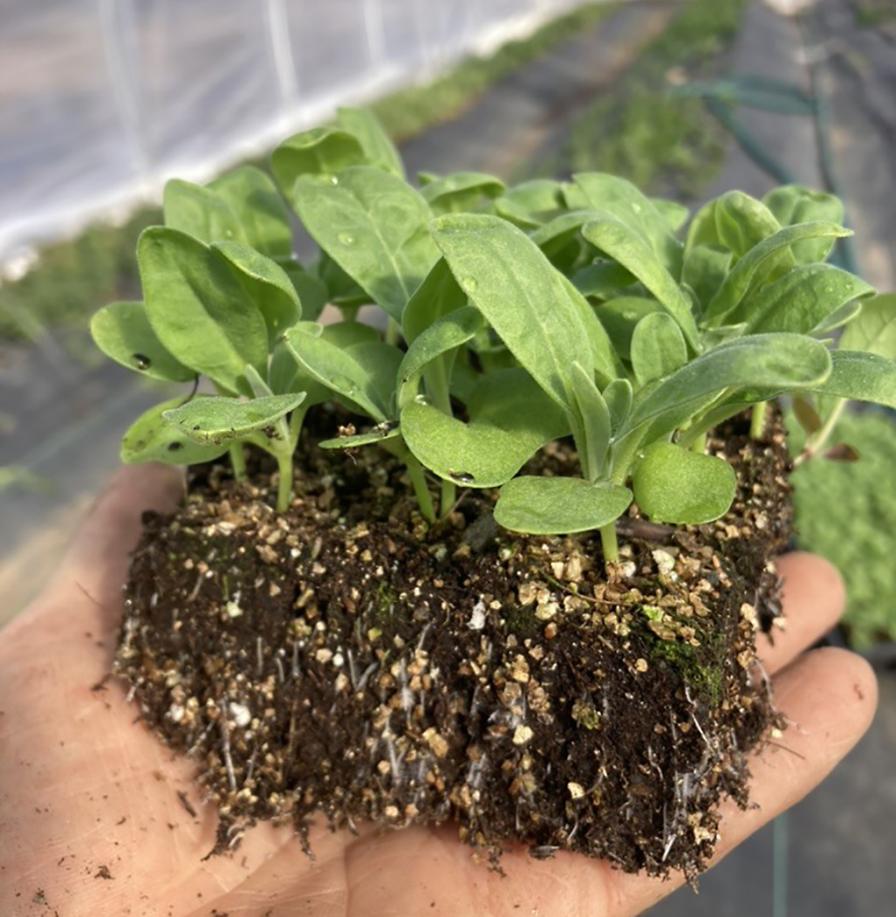
Photo: Moonrose Farm LLC
Soil blocking using Vermont Compost Fort Vee is an essential tool for us. The mix is exceptionally nutrient-dense, and our plants respond well to it. We use a Swiftblocker to produce 128-cell soil block trays, which hold up better over time than flimsy plastic trays and create higher-quality plugs for many crops, especially onions. We use a custom-built table to sift out the biggest pieces of the potting mix first to make the blocking smoother.
Click here to see more installments of American Vegetable Grower’s “Kick the Tires” series.

Subscribe Today For
