



Potato Marketing Tool
 November 1, 2007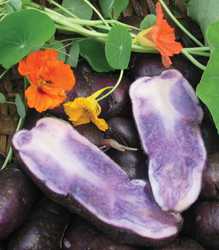
After the low-carb craze took over the U.S. just a couple of short years ago, causing potatoes to be shunned, spuds may be on the rebound. A new study at Washington State University (WSU) is examining some of the nutritional benefits of potatoes — especially the colorful ones.
Brightly colored potatoes, such as purple, red, and yellow, contain higher levels of antioxidants compared with white potatoes, according to Boon Chew, WSU professor of nutritional immunology. Antioxidants help to prevent diseases by improving the human immune system.
The study, which began last month, involves feeding participants different recipes made with different colored potatoes once a day for six weeks straight. The participants will then be tested for the strength of their immune systems, anti-inflammatory response, and antioxidant levels.
Chew and Jean Soon Park, WSU assistant research professor, will compare the health-related benefits of white, yellow, and purple potatoes. They are working with Chuck Brown and Roy Navarre, USDA Agricultural Research Service plant geneticists, at the WSU Prosser Irrigated Agriculture Research and Extension Center, to identify potato varieties that have the highest antioxidant content. Brown is growing the potatoes for the study.
Kerrie Kaspar, a doctoral student working on the project, said the potatoes will be prepared in different kinds of recipes to make sure the participants do not get tired of eating the same thing. Kaspar said they will prepare recipes such as traditional mashed potatoes and au gratin.
Study Participants
The study group consists of non-smoking males, ages 18 to 40. According to Chew, it would be easier to recruit this type of group in Pullman’s college atmosphere. He said women would not be as easy to recruit to eat potatoes once a day compared to men because of the fear of putting on weight. Each participant will receive $100 at the end of the study.
The study has already recruited 40 participants, which is well over the number needed to show a statistical difference. It is one of three being funded by a three-year $114,000 grant from the Washington State Potato Commission.
Subscribe Today For
