



8 Pointers To Prepare Your Farm Now for a Hurricane

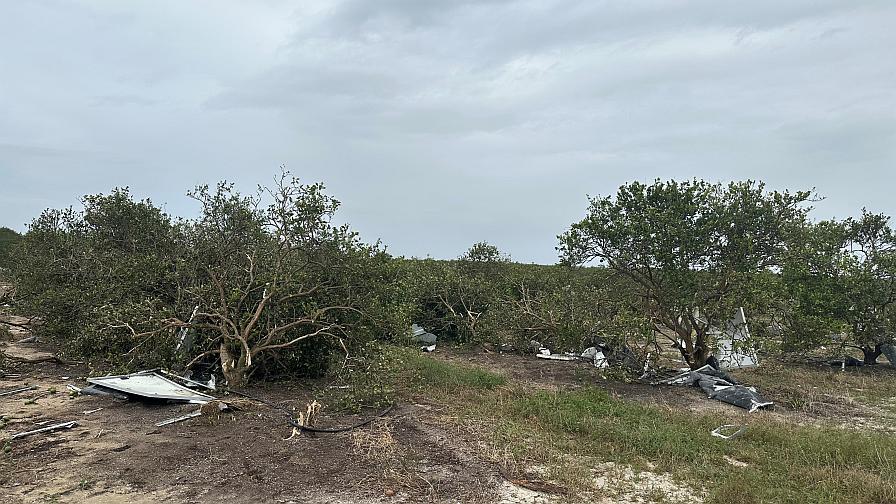
This citrus grove just north of Lake Placid, FL, sustained damage from a tornado spawned during Hurricane Milton’s assault in October 2024.
Photo courtesy of Ray Royce
The Atlantic hurricane season officially begins every year on June 1 and runs through Nov. 30. Early predictions from climate experts indicated an average to slightly-below average 2026 hurricane season in the making. That has been the case and then some thanks in large part to a developing El Niño. To date, it has been one of the quietest Atlantic hurricane seasons on record. But the season is still far from over. Even in a season that produces less named storms compared to recent years, all it takes is one to impact you, your family, and livelihood.
It’s essential every farm and ranch in hurricane zones have an emergency plan in case of a hurricane, according to Doug Mayo, Director of the UF/IFAS Extension Center in Jackson County, FL.
“The main thing is that farmers need to be prepared to be self-sufficient for a more than a week if a storm hits,” Mayo states.
To help optimize your farm’s hurricane season preparation, Mayo provides the following tips:
- Create a printed list of extended family, veterinarian, employees and their families, your local farm services agency office, utility company and local county Extension office.
- Purchase batteries for flashlights and lanterns. Have enough flashlights ready for each employee.
- Stock up on feed for animals receiving supplemental feeds. Have enough hay, feed, and health-care supplies on hand for one to two weeks. Feed stores may not be open for business for a week or more after a storm.
- Check to ensure generators are ready and in working order.
- Make sure chainsaws are in good working order and stock up on mixed fuel.
- Locate chains and come-a-long for limb and tree movement off fences and buildings.
- Stock up on fence-repair materials: wire, posts, and staples for repairing fences damaged by limbs and trees.
8. In addition to the tips mentioned above by Mayo, make sure to re-familiarize yourself with your crop insurance policy and coverage options.
For more tips and resources to prepare your farm for hurricane season, visit http://disaster.ifas.ufl.edu.
 Loading ...
Subscribe Today For
