



First Outlooks In for the 2026 Atlantic Hurricane Season

Did you know the average date for the first named storm of the Atlantic hurricane season is June 20? This is based on 30 years of climate data gathered by NOAA. A multitude of data tools are used by climatologists to predict weather patterns. But just because the numbers are trending one way doesn’t necessarily mean it will verify year to year. Welcome to the world of weather forecasting and the Atlantic hurricane season pre-season. The Atlantic hurricane season officially begins on June 1. But now is the time long-range predictions are revealed. So, what can we expect for the 2026 Atlantic hurricane season? The first outlooks are in.
Dr. Phil Klotzbach and his team at Colorado State University (CSU) have compiled and released their initial 2026 Atlantic hurricane season forecast. Here are how the numbers break down.
- Named Storms: 13 vs. (30-year historical average: 14.4)
- Hurricanes: 6 vs. (30-year historical average: 7)
- Major Hurricanes: 2 vs. (30-year historical average: 3.2)
As you can see, the predictions are below average. But why?
According to the CSU forecast summary: “Current weak La Niña conditions are likely to transition to El Niño in the next few months, with the potential for a moderate/strong El Niño for the peak of hurricane season. Sea surface temperatures in the western tropical Atlantic are warmer than normal but slightly cooler than normal in the eastern and central tropical Atlantic. We anticipate El Niño being the dominant factor for the upcoming hurricane season, driving increased levels of tropical Atlantic vertical wind shear.”
Last season, La Niña was in control, which resulted in above average predictions. Typically, La Niña means more tropical activity in the Atlantic basin due to more conducive conditions. El Niño normally results in the opposite — less tropical activity.
In addition to forecasting the number of storms, CSU’s outlook includes the probability of hurricane landfall. Here is what they are seeing now:
- 32% for the entire U.S. coastline (average from 1880-2020 is 43%).
- 15% for the U.S. East Coast, including the Florida Peninsula (average from 1880-2020 is 21%).
- 20% for the Gulf Coast from the Florida panhandle westward to Brownsville, TX (average from 1880-2020 is 27%).
- 35% for the Caribbean (average from 1880-2020 is 47%).
“So far, the 2026 hurricane season is exhibiting characteristics similar to the 2006, 2009, 2015, and 2023 seasons,” Klotzbach says. “Our analog seasons ranged from well below-average Atlantic hurricane activity to somewhat above average. While the average of our analog seasons is somewhat below normal, the large spread in observed activity in our analog years highlights the high levels of uncertainty that typically are associated with our early April outlook.”
Translation: It’s early. Don’t turn your back on the tropics. Good case in point: While the 2023 hurricane season was an El Niño year, it finished as the fourth most active season since recordkeeping. And during that season, major Hurricane Idalia struck Florida’s Big Bend area causing significant flood and wind damage. All it takes is one.
While CSU is one of the first to throw hurricane predictions out there every year, others also provide educated guesses. One is AccuWeather, which uses a range of numbers. Forecasters from AccuWeather are predicting for this season 11 to 16 named storms; 4 to 7 hurricanes; 2 to 4 of those being major.
The National Hurricane Center also has released its long-range forecast for 2026. NOAA forecasters are predicting 8 to 14 named storms; 3 to 6 hurricanes; and 1 to 3 of those being major.
2025 Hurricane Forecast Score Card
Early hurricane season forecasting helps people and businesses prepare ahead of potential disaster. This is especially important for agriculture interests. How did the long-range hurricane forecasts fare for 2025? Let’s take a look at the score card.
| Named Storms | Hurricanes | Major Hurricanes | |
| Colorado State University | 17 | 9 | 4 |
| National Hurricane Center | 13-19 | 6-10 | 3-5 |
| AccuWeather | 13-18 | 7-10 | 3-5 |
| ACTUAL | 13 | 5 | 4 |
Across the board, last season was predicted as generally above-normal due to La Niña influence along with warmer-than-usual sea surface temperatures in the tropical development zones. While the overall number verified below average, four out of the five hurricanes that developed were major (categories 3-5). Most of these stayed out over the ocean with minimal impacts. But there was one big exception — Hurricane Melissa. This late-season system grew into a Category 5, 190-mph sustained wind storm that devastated Jamaica, Hispaniola, and eastern Cuba.
So, even though it might have seemed like 2025 was a “quiet” hurricane season because there were no U.S. landfalls, this was certainly not the case for many in the Caribbean. Again, all it takes is one.
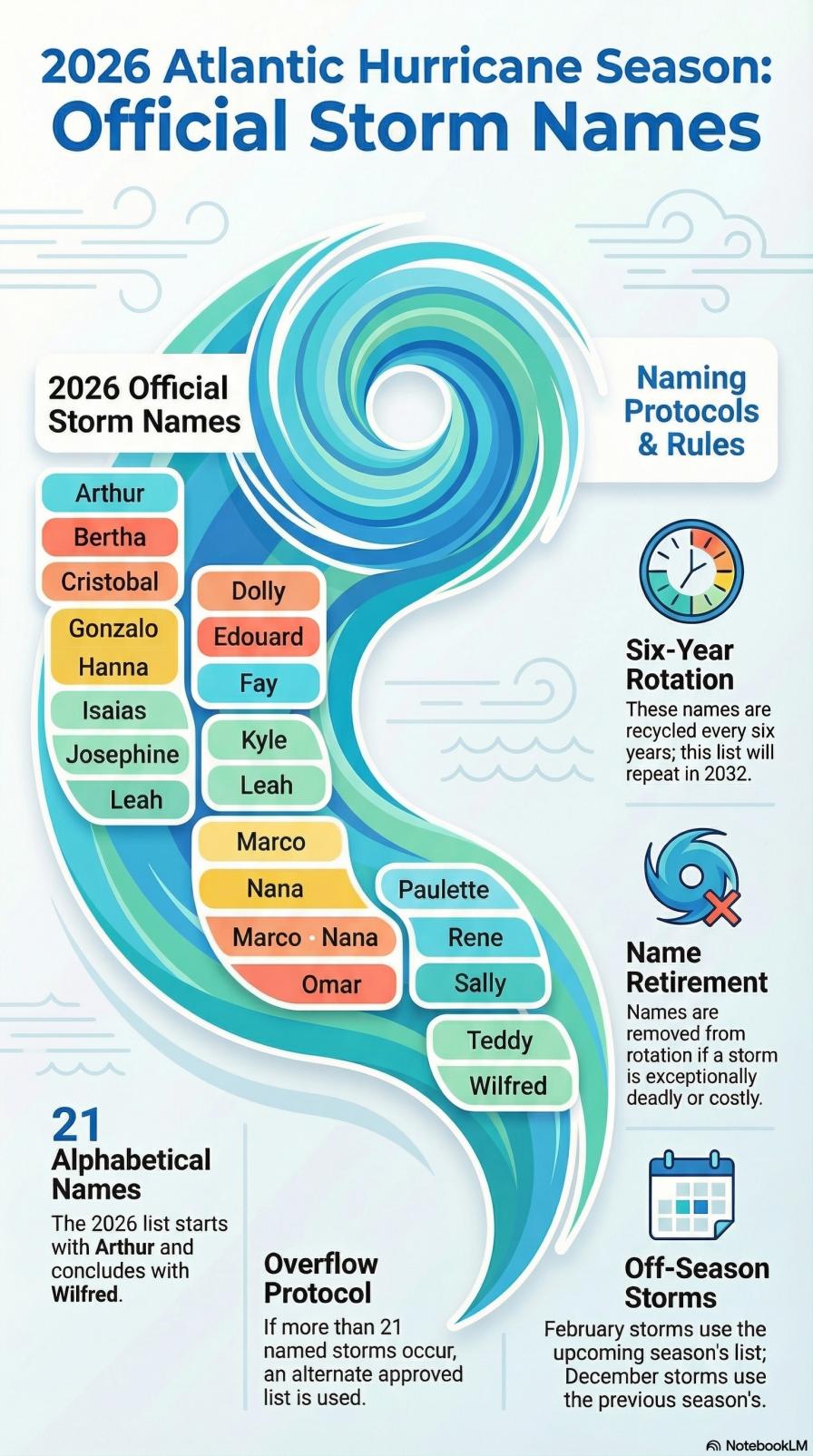
Source information: National Hurricane Center
As of this posting, we are still two months away from the official start of the Atlantic hurricane season. Much can change between now and then and beyond. The CSU tropical meteorology team will issue hurricane forecast updates on June 10, July 8, and Aug. 5.
Stay tuned. I will.
 Loading ...
Subscribe Today For
