

How This First Generation Farmer Shows Grit, Guts, and a Love for the Earth
 May 29, 2024
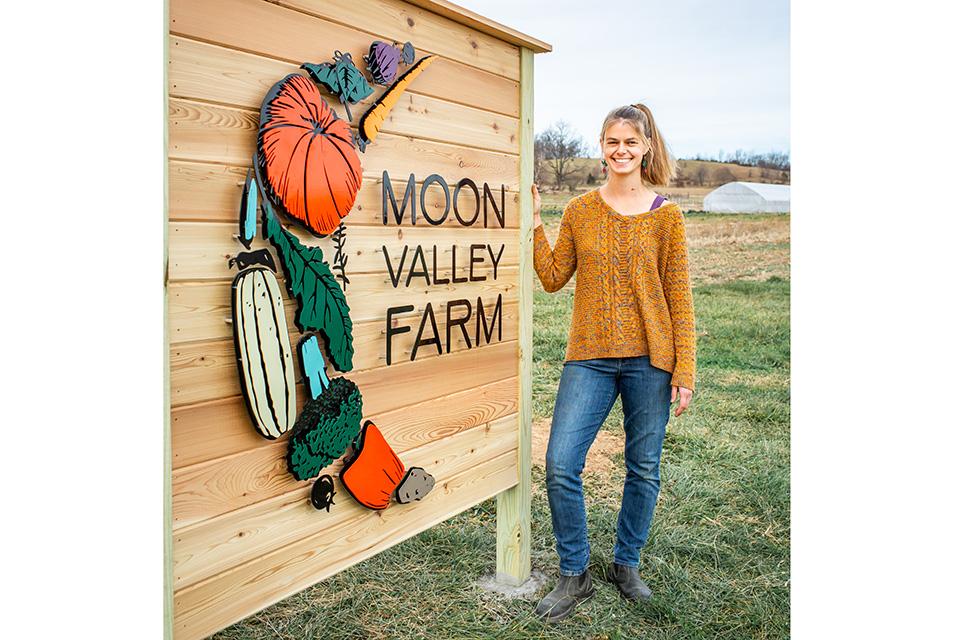
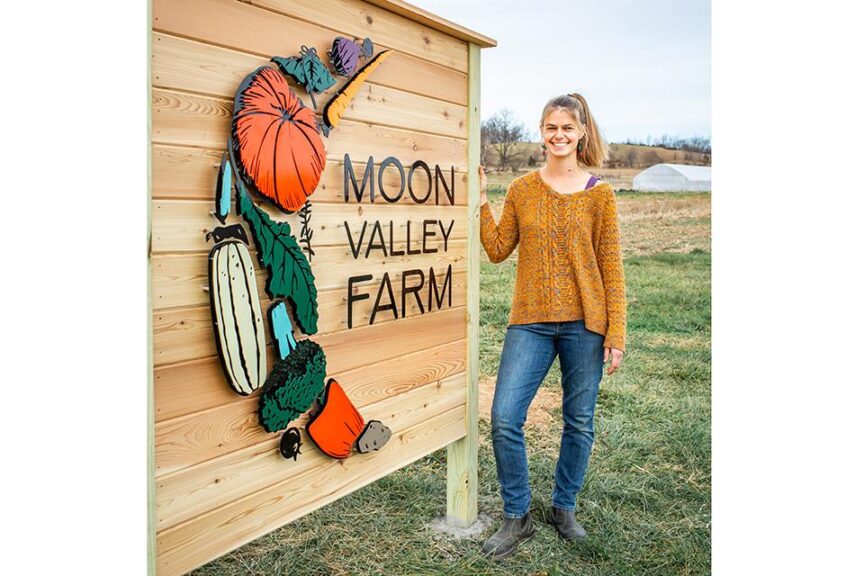
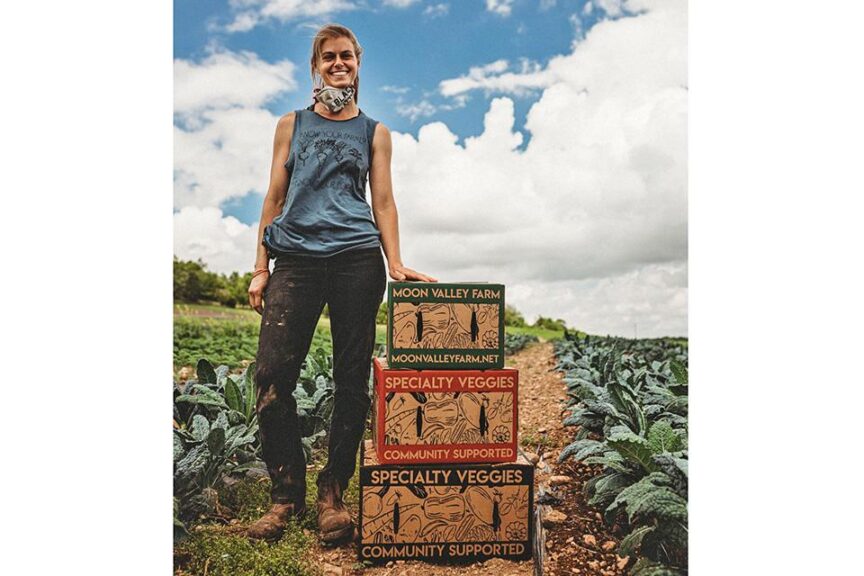
 Growing up in Baltimore County, MD, Emma Jagoz, owner of Moon Valley Farm, did all the “right” things. She graduated college, took on a full-time job in a restaurant, and started a family. But she wanted more. She wanted to make a difference.
View all
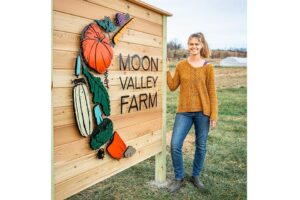
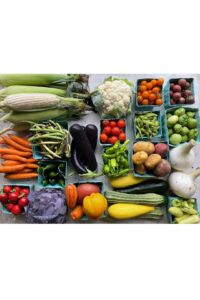
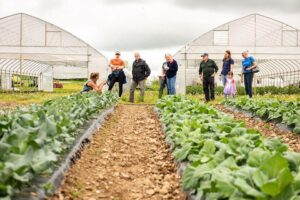
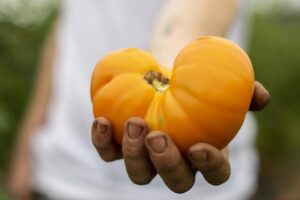
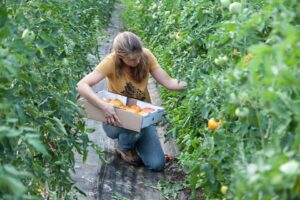
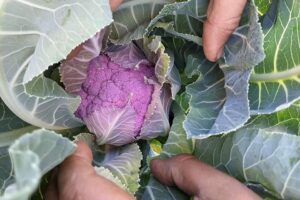
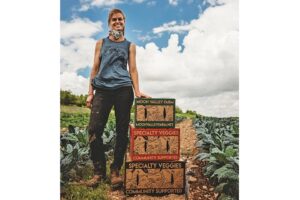
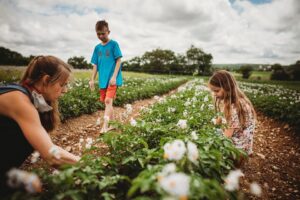
In full-on mama bear mode during her first pregnancy, she read that arugula could boost her baby’s brain development because of its high DHA content. So she started growing it on her apartment balcony.
That passion for wanting the best for her family, and the planet, gave her the purpose she had been looking for: growing delicious, high-quality produce and feeding her community. “Yes, I was that neighbor who placed zucchinis at my neighbors’ doors,” she says with a smile.
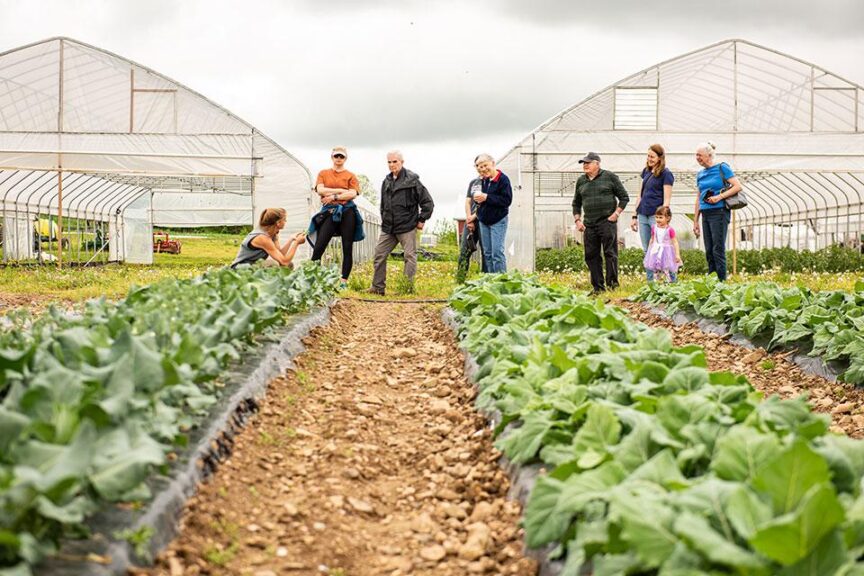
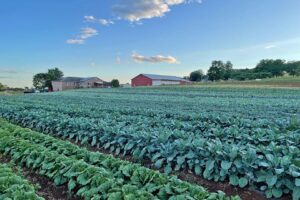
Today, she has a successful ag career with her own farm, which produces enough to feed more than 750 CSA (Community-Supported Agriculture) members on a weekly basis year-round and employs 20 people.
So, what does it mean to be a first-generation woman farmer, essentially starting from scratch? According to Jagoz, it takes grit, guts, and a love for the earth.
After her children were born, Jagoz wanted to make sure they ate healthy, great-tasting food. So she started reading as much as she could about growing organically for her family. Among the library of books she read, her go-to sources included Rodale’s Organic Gardening and Eliot Coleman’s books on organic gardening. But it was not until her sister recommended Sustainable Vegetable Production, From Start-Up to Market from the University of Vermont Extension that she decided CSA was the path she wanted to take for her farm business.
“That’s when I decided what I wanted to do. ‘I’m going to feed families just like mine.’ So, I started growing healthy, nutritious, amazingly delicious food and sharing it with others. I thought, ‘That’s going to bring a lot of value to their world,’” she says.
THE GRIT ON BORROWED LAND
First-gen farmers might not want to buy land right away, Jagoz says. For some, it might be better to barter or lease for the first five to 10 years to make sure you want to be a business owner, she says.
“Make sure you are able to get enough customers in your area, know how to farm the land, understand the soil types in that area, and try it out before making that big investment,” she says.
That’s a good strategy if you live in an expensive area like Maryland.
“As a first-generation farmer, I did not have access to enough land to start a farm, and I wanted to make sure I had a business model that was profitable before making that investment,” she says.
For eight years, Jagoz farmed on several barter-leased properties in the suburbs until she could save enough money to invest in her own land.
“I would provide a CSA box a week for use of the land,” she says. She also bartered weekly CSA boxes for accounting assistance and other tasks when she was first getting started.
By 2019, Jagoz had six parcels comprising 15 acres of land.
“It had been a long road and, at that point, I jokingly called myself a professional equipment hauler because I was hauling equipment (and crops) to and from these six sites all the time, plus I had six trailers, including one walk-in cooler on an enclosed trailer that I used to move equipment around on each of the properties.”
THE GUTS TO CARE FOR THE SOIL
“When I was able to save up enough to purchase my own land, I felt so excited, proud, and relieved. The hard work was worth the effort.” Jagoz explains, “I learned how to farm. I learned how to farm in different soil types, with different water setups, and with different microclimates. All that taught me what I wanted and what I did not want. And, more importantly, it taught me how to really be a good tenant. And being a good tenant includes being a good soil steward, as well.”
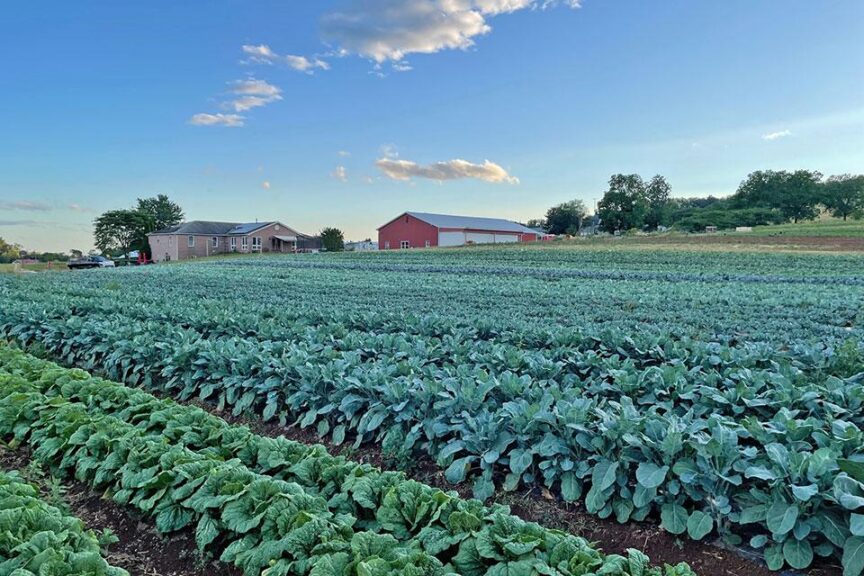
Today, Jagoz farms 70 acres, owning 25 certified organic and leasing 45 in transition. She’s a strong believer in soil sustainability. “It’s that first two inches of soil that feeds us, so we need to nurture it,” she says.
Cover crops put organic matter back into the soil, crop rotation reduces inputs, and biological practices like insect banks provide natural crop protection from pests.
“It’s an energy exchange. We’re balancing the extraction of soil nutrients and putting them back. So, for us, that looks like prioritizing cover cropping, adding compost, taking soil samples, and consulting with soil health experts to make sure our strategies for our cash crops and our cover crops are meeting our larger goals,” she says.
Jagoz’s passion for stewardship includes both fiscal and soil sustainability.
“I want to steward the land responsibly,” she explains. “That requires me to earn money on the land that I am farming in order to have the resources to do it again next year. But that also means I need to focus on long-term soil health goals and strategies for improving the land I steward. It’s a delicate balance, at times, of conflicting or seemingly conflicting goals.”
Commitment to the farm’s next generation is at the heart of Moon Valley Farm’s mission. “And that means improving our soil organic matter and producing a healthy and nutritious crop for our customers
without breaking the bank,” she says.
THE LOVE OF FINDING WHAT WORKS FOR YOU
Jagoz believes having multiple sales channels is essential for success. Her work with community partners has allowed Moon Valley Farm to provide year-round CSA boxes to her customers. She also supplies local restaurants in the Baltimore, DC, and Annapolis areas.
Another key to Jagoz’s success? Making time for family with a healthy work/life balance.
“It’s a mindset,” she says. Raising two children on her own and operating the farm is challenging, at best. And make no mistake, Jagoz’s family is her first priority. So she put provisions in place for when life happens — for her and her employees — so Moon Valley Farm could continue to meet its obligations to its customers. That meant Jagoz had to loosen the reins.
“It was actually a very humbling process to write down everything I did on the farm. Because what you’re essentially doing is coming to grips with the fact you are not special enough to be the only one who can execute this task,” she says.
“For a while I had this idea that, you know, I watered the greenhouse better than other people because I knew all the spots that were hotter than others. And I knew how to really evenly water the trays. And then I realized that if I wrote it down, others could also do it, and it turned out fine,” she says.
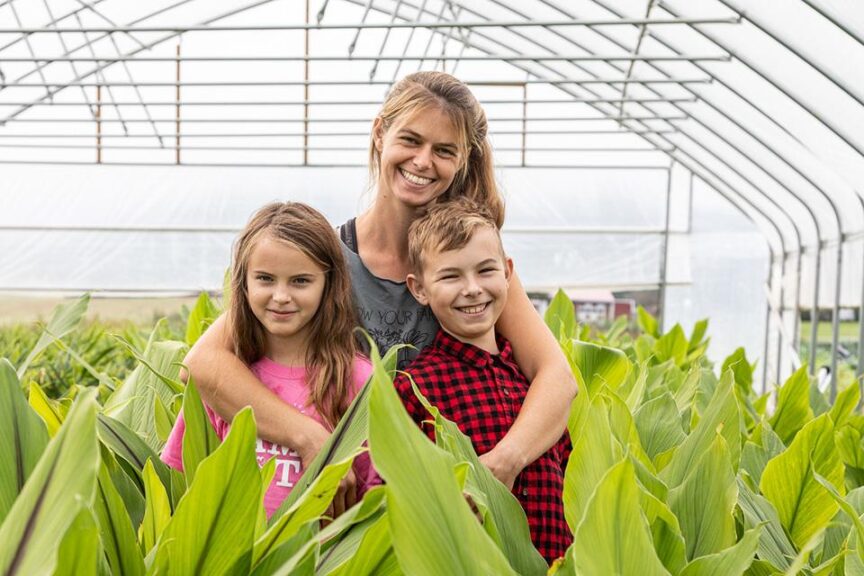
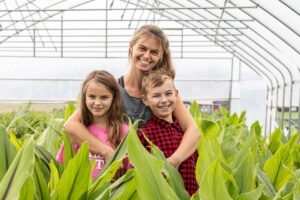
This gave Jagoz more flexibility to be with her son Mason, 14, and daughter Anisa, 13.
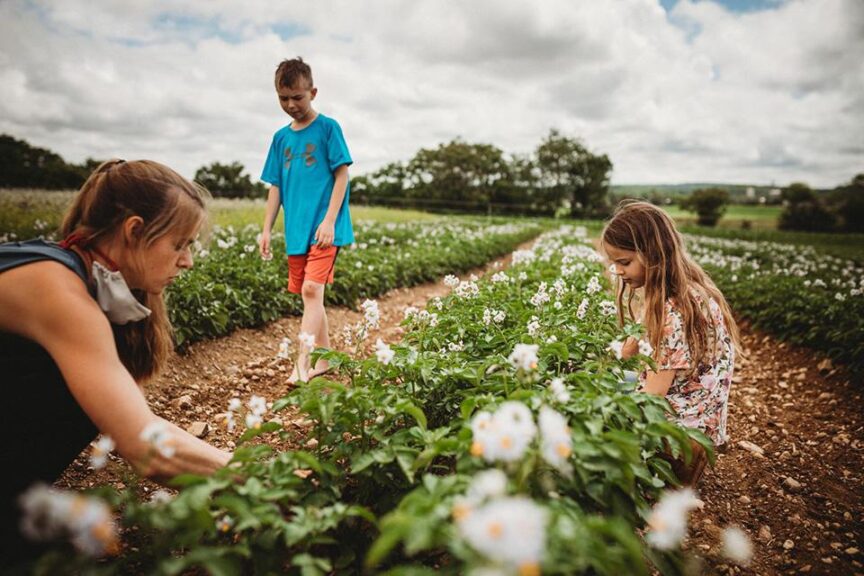
“It’s important to me that in the end, and even now, they know where their food comes from. I want them to know the difference between stewarding the land responsibly and ravaging it. I want them to be proud that I was not only growing food for my community, but that I was growing my community. That I employed people, yes, but that I helped people grow into the best versions of themselves on this farm.”
Feel free to reach out to Emma Jagoz at [email protected] if you have any questions about how to start your own farm.
At a Glance: Moon Valley Farm
Owner: Emma Jagoz
Founded: 2012
Location: Woodsboro, MD
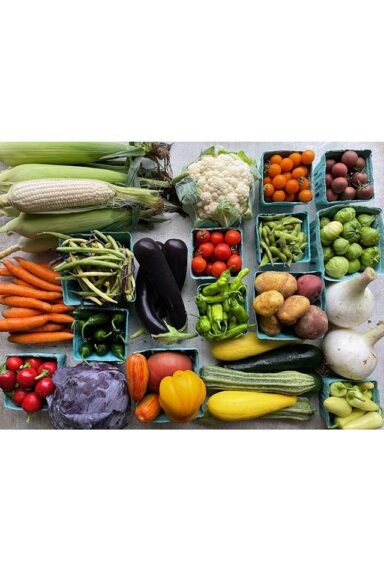
Crops: 100 standard and specialty vegetables and herbs (too many to list)
Type of customers: CSA, online farmers’ market, restaurants, and schools
Subscribe Today For