

Pseudo Science? Picking Apart the Latest ‘Dirty Dozen’ Produce List
 June 12, 2025
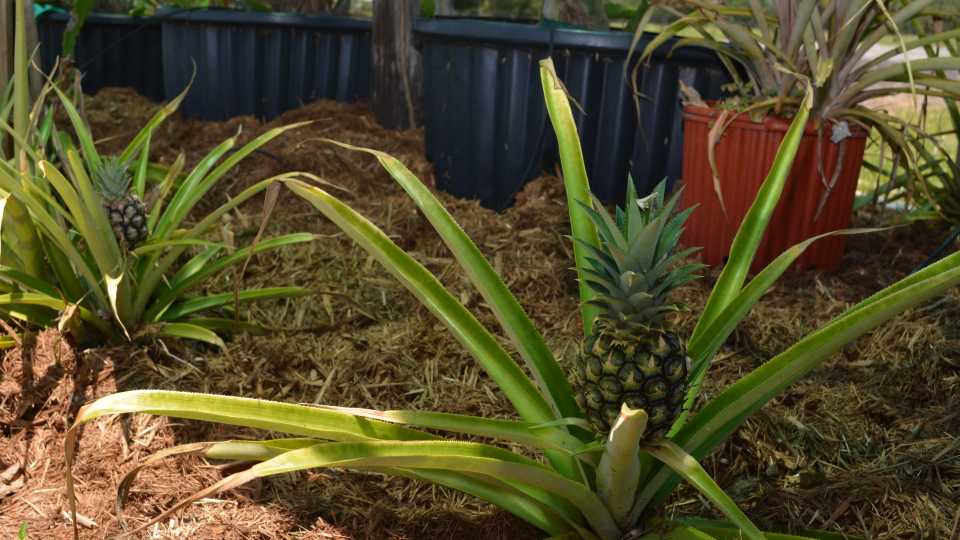
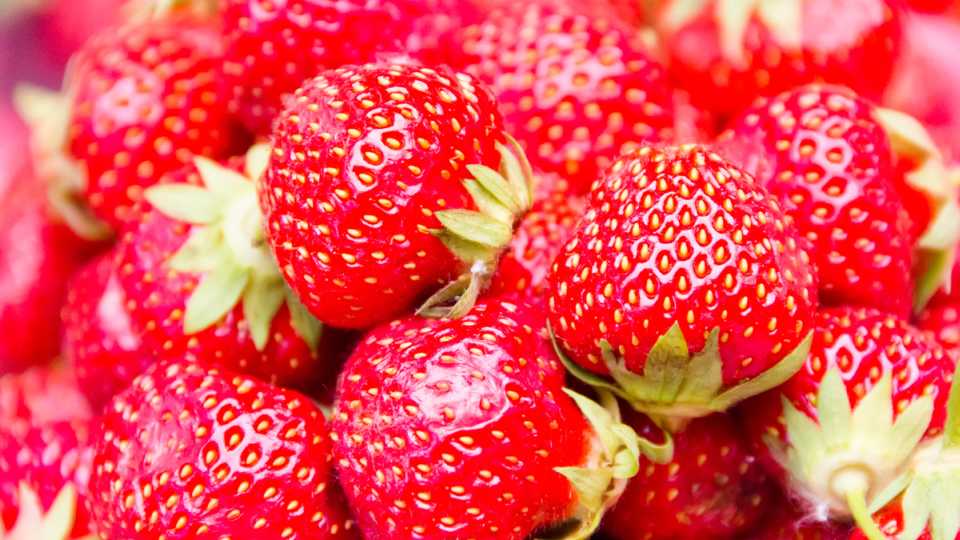
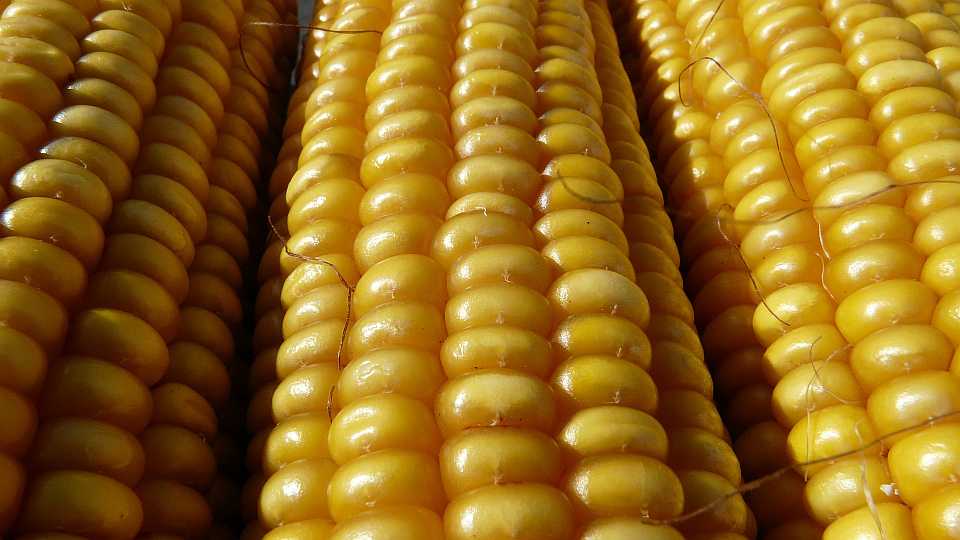
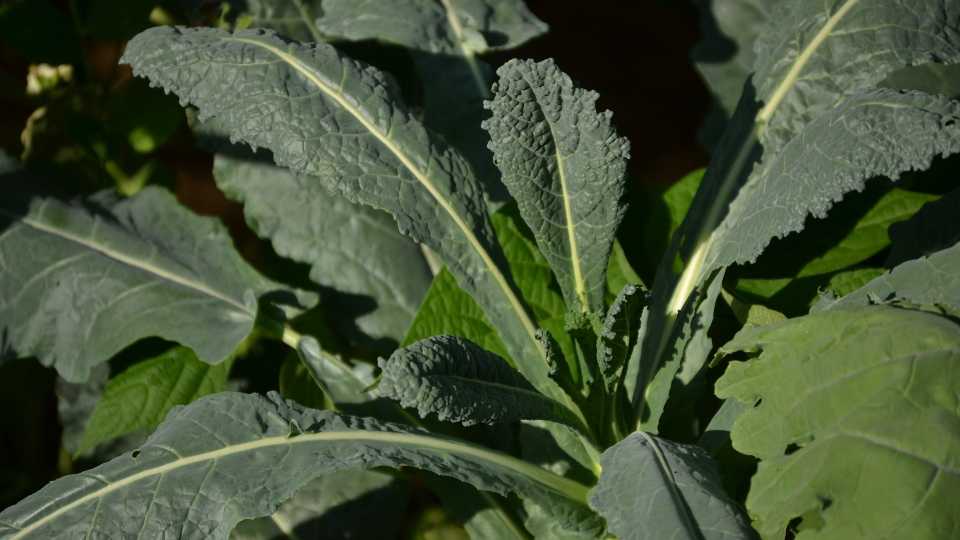
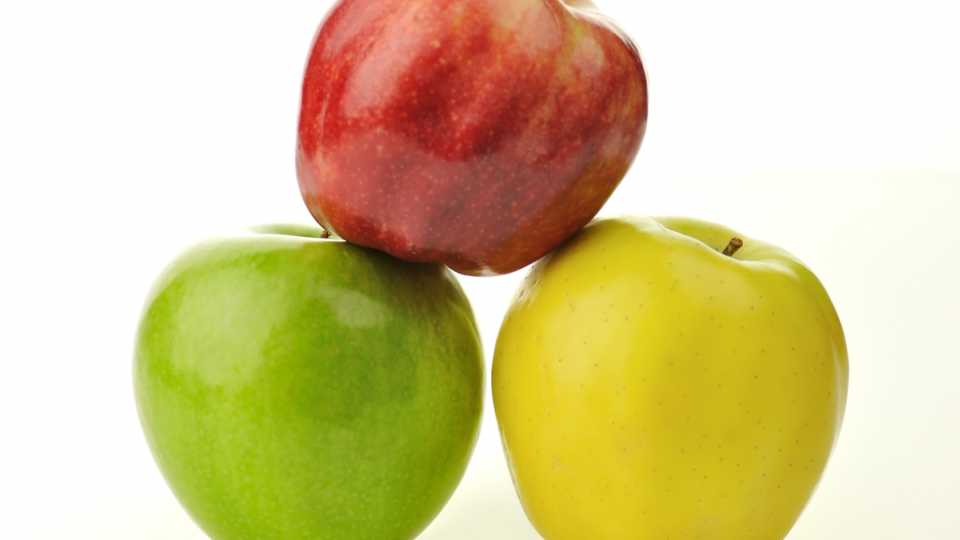
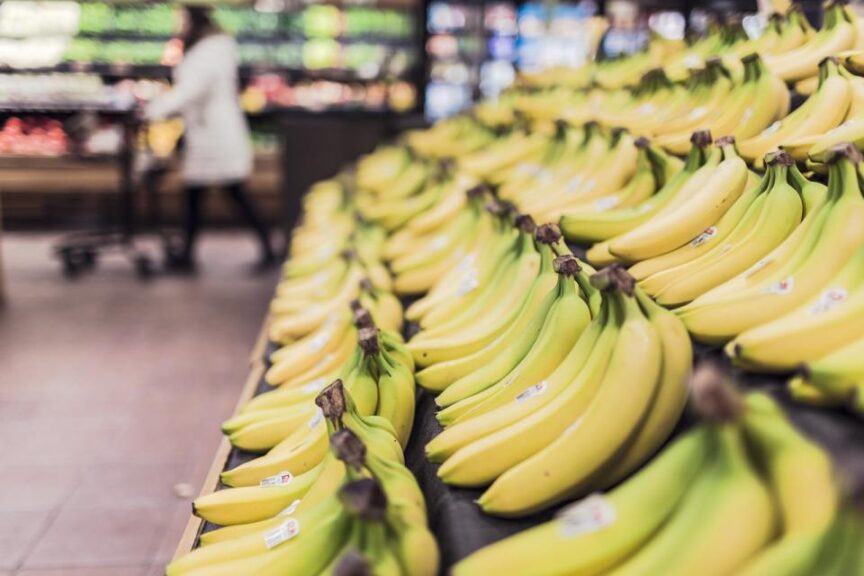
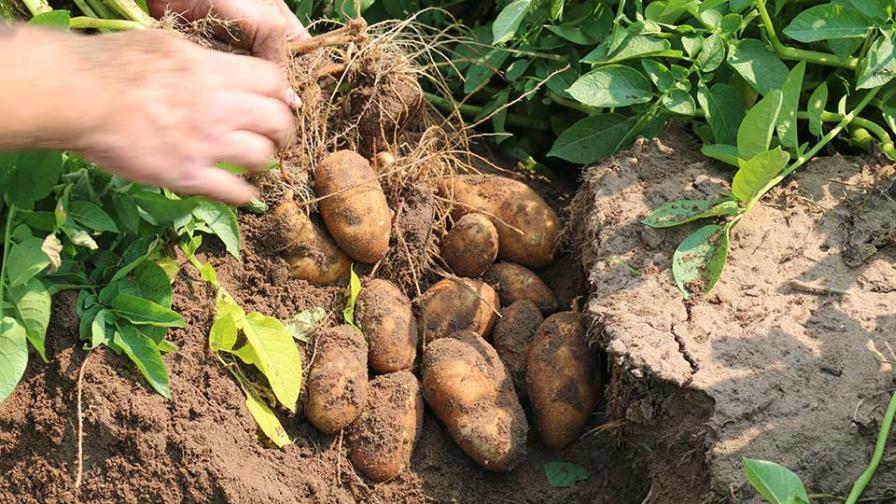
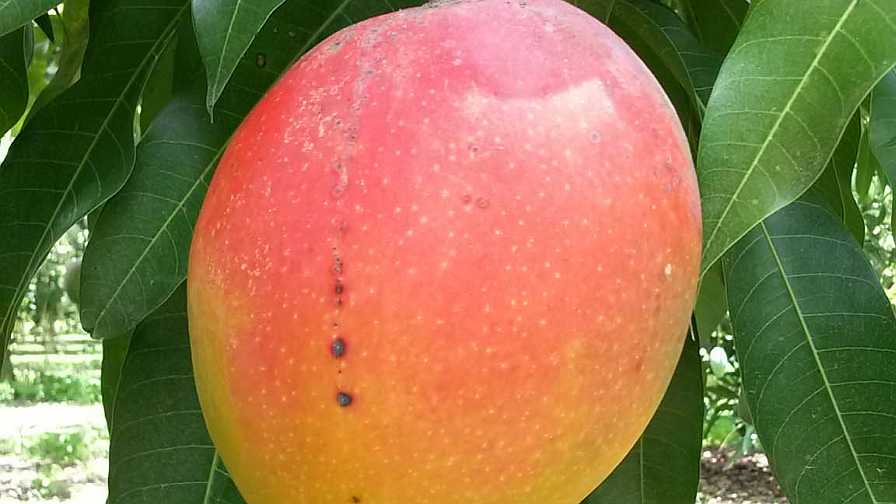
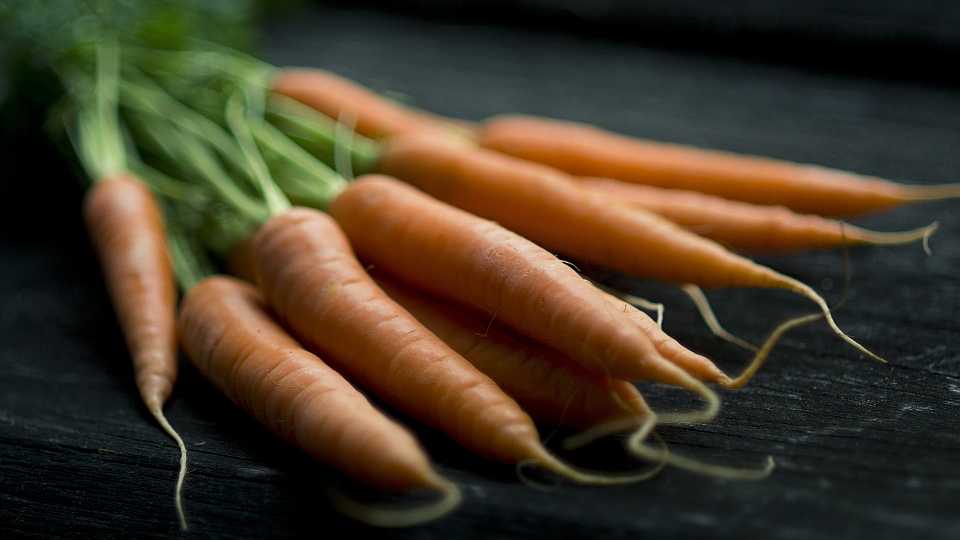
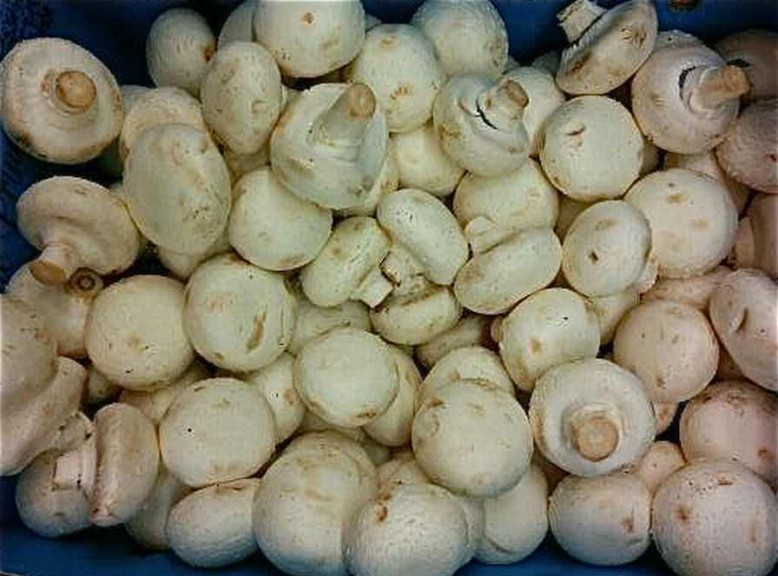
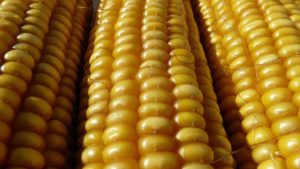
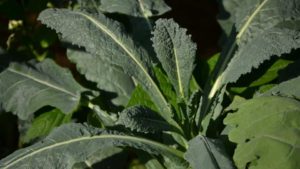
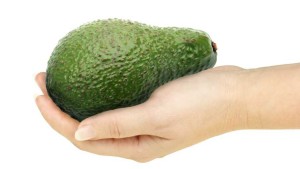
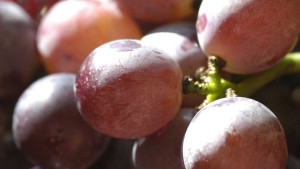
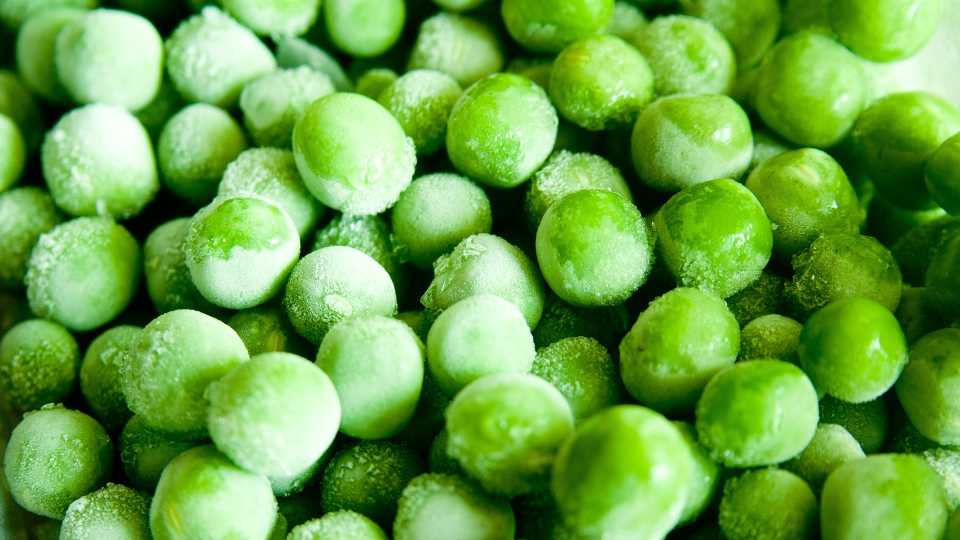
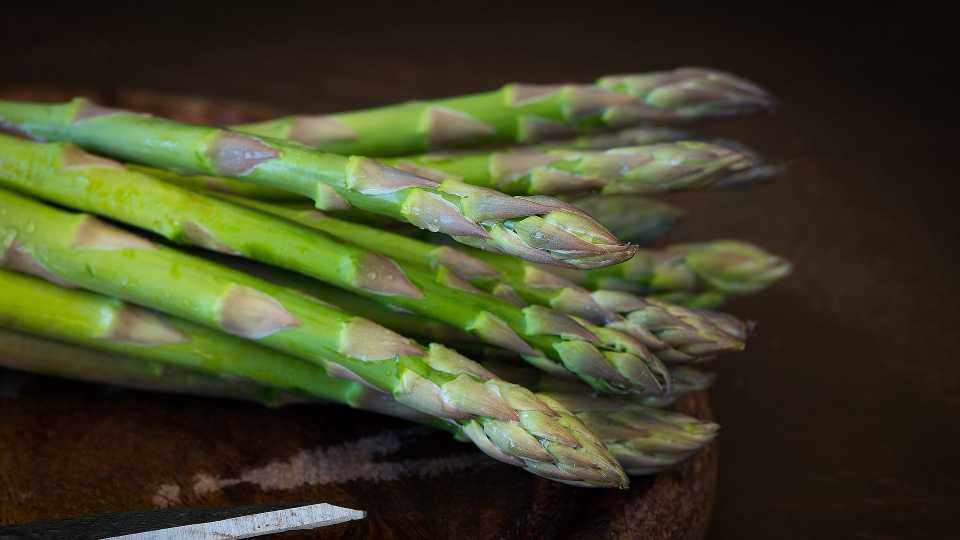
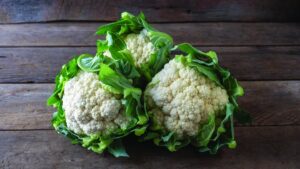
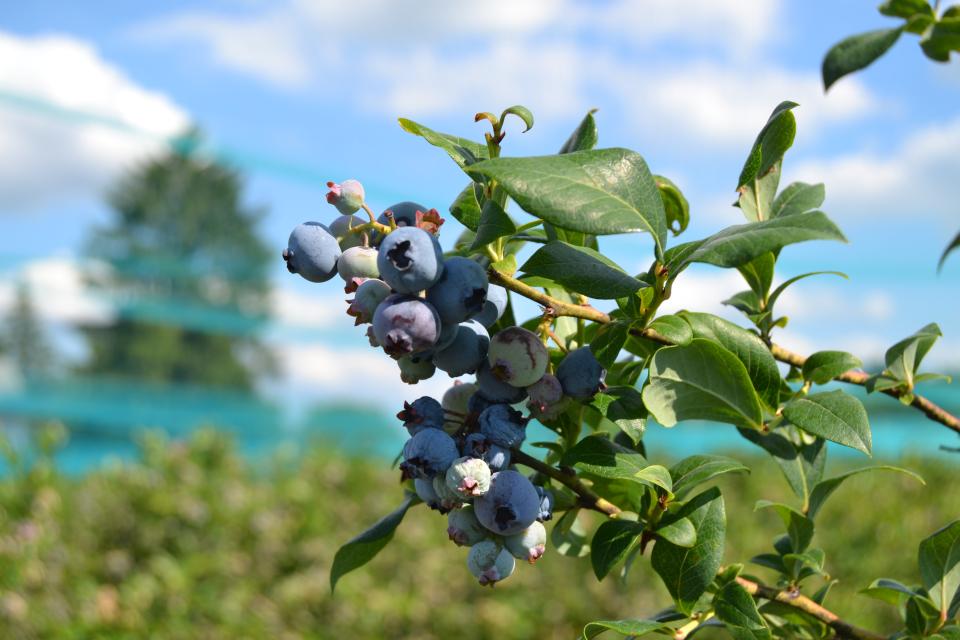
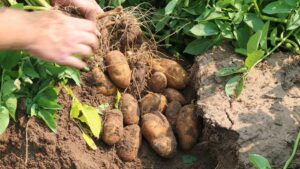
 The latest “Dirty Dozen and Clean 15” lists from the Environmental Working Group are out. As part of the organization’s annual “Shopper’s Guide to Pesticides in Produce,” it lists 12 fruits and vegetables that were found most contaminated with pesticides. In addition, EWG’s report also shines a light on what it calls the “Clean Fifteen,” items that tested low in concentrations of pesticide residues. This annual report is eaten up by mainstream media channels year after year. Produce industry stakeholders lobby hard to refute the “Dirty Dozen” list claims. And this year is no different. Scroll the slideshow below for a rundown of EWG’s 2025 “Dirty Dozen” and “Clean Fifteen” rankings.
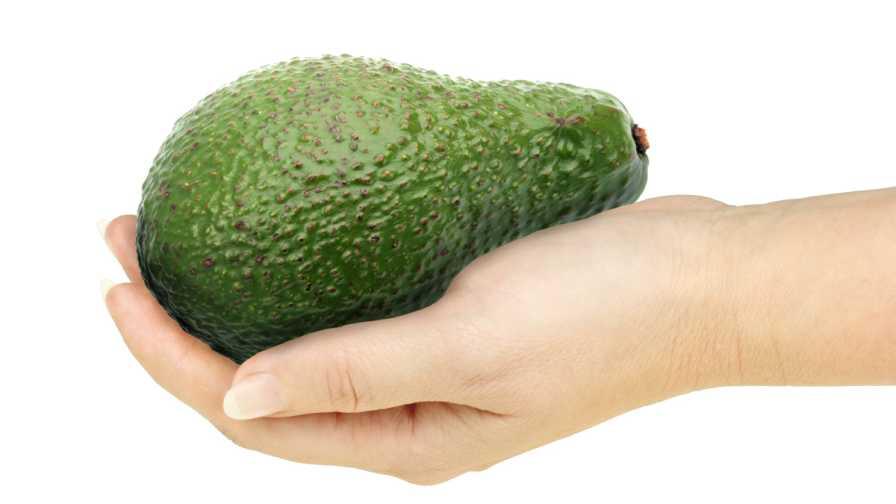
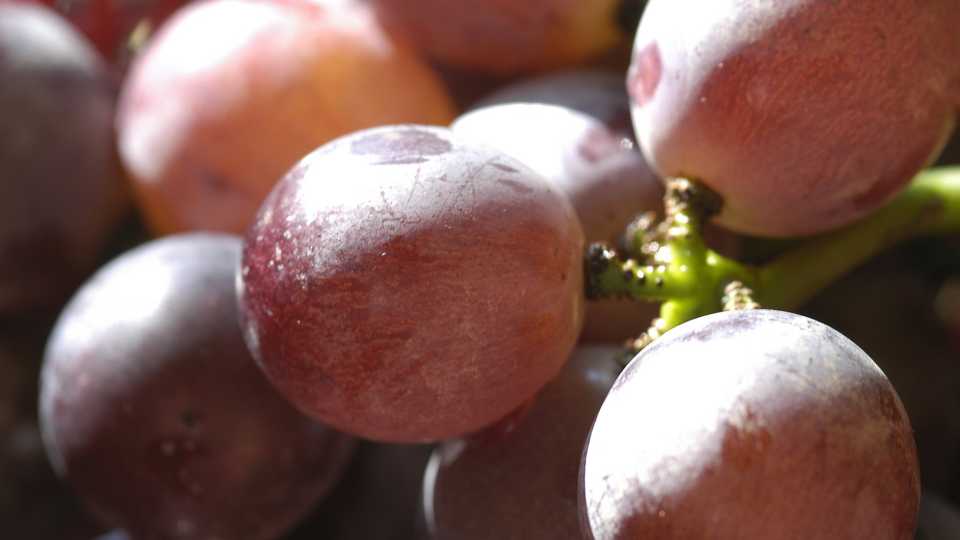
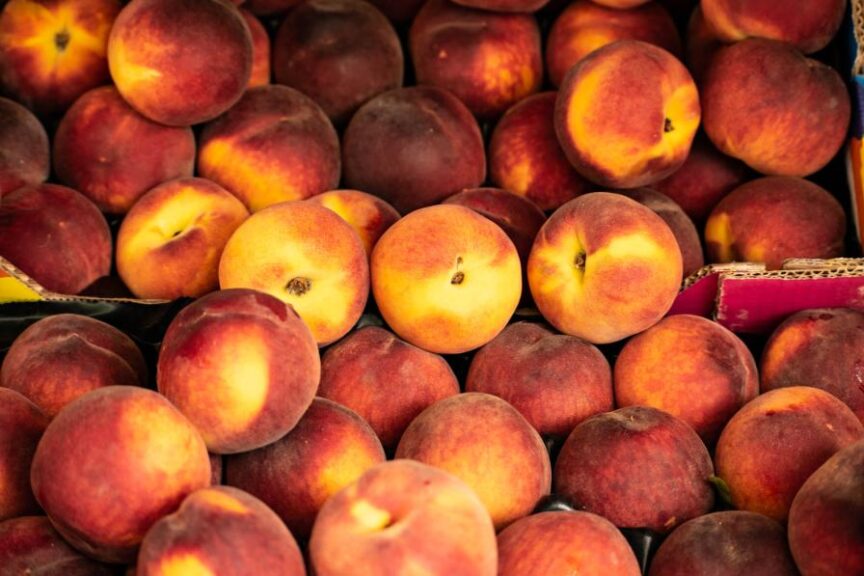
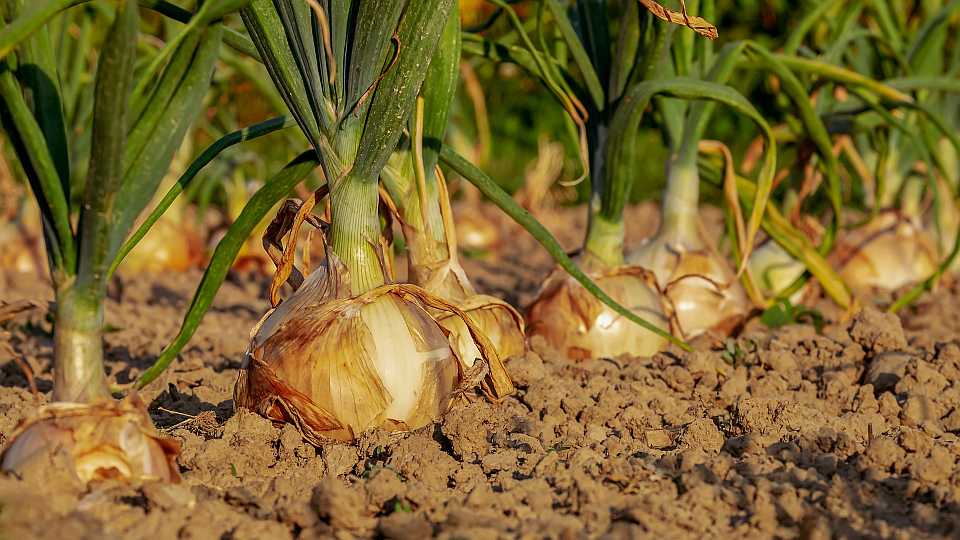
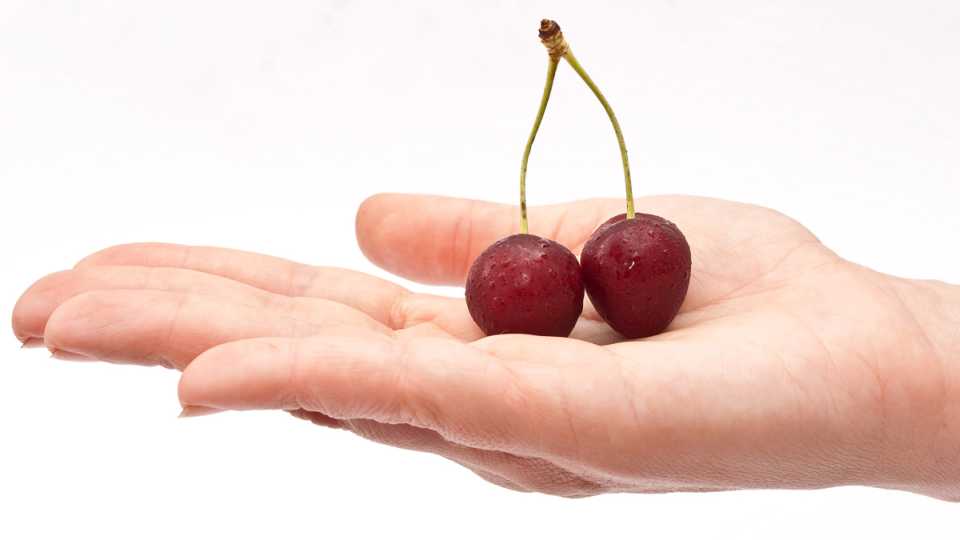
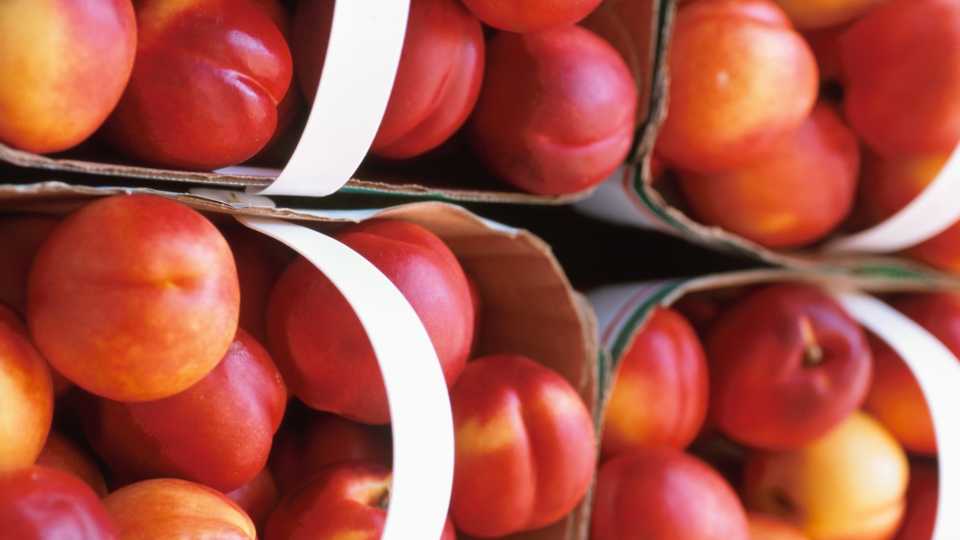
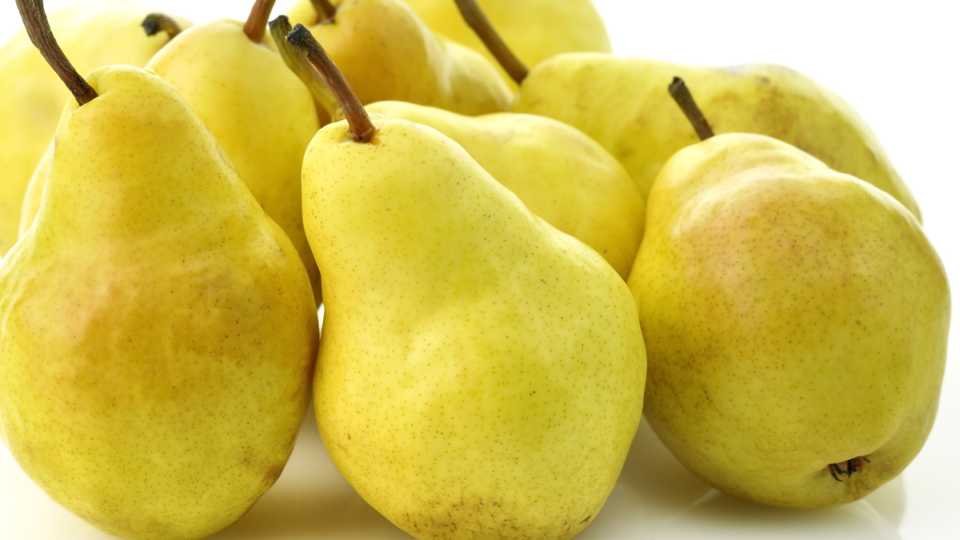
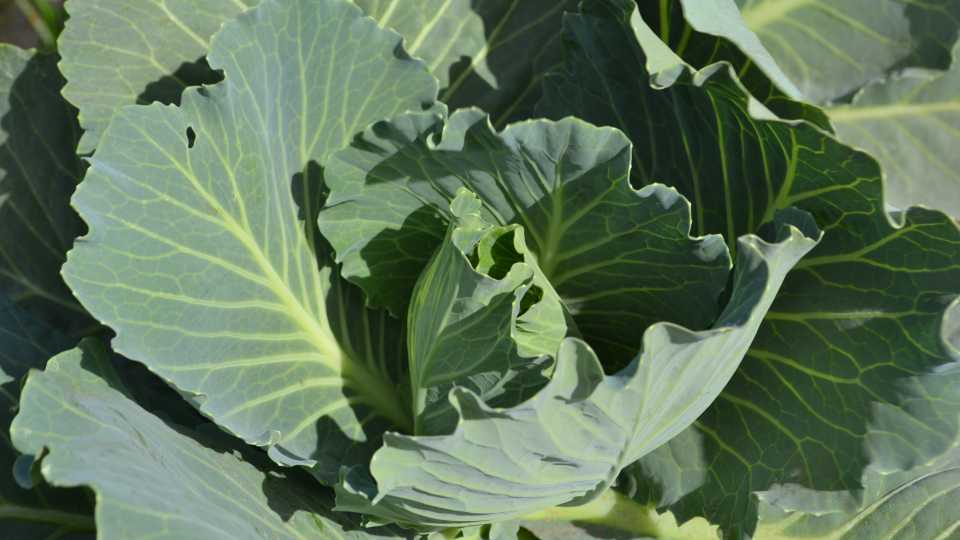
View all
The Alliance for Food and Farming (AFF) recently posted a blog in response to the EWG’s 2025 “Dirty Dozen.” A portion of the blog post reads as follows:
“Food bank funding has been suspended, the SNAP budget is facing significant cuts, 47.4 million Americans experience food insecurity and inflation is impacting the budgets of so many consumers. And yet, the Environmental Working Group (EWG) decides to use its time and resources to release and promote another “Dirty Dozen” list.
“Yes, EWG’s misguided focus is to convince you to spend even more money on your groceries by promoting more expensive forms of fruits and vegetables through denigrating and unfairly maligning affordable and accessible produce items.
“The basis of EWG’s unscientific and gimmicky list is to attempt to convince you to substitute organic forms of produce for conventional by calling them “dirty” and using unfounded rhetoric to discourage you from buying the most popular fruits and vegetables. They do this despite the fact that decades of studies and government data have shown conventionally grown produce is safe and exceptionally nutritious.
“What EWG neglects to tell people is that following their list will increase the cost of their produce by almost 50%, according to our analysis conducted a couple years ago. Further, when low income consumers are exposed to “Dirty Dozen” list messaging, they state they are less likely to purchase any produce – organic or conventional.
“And, while peer reviewed research shows EWG’s list is scientifically unsupportable, EWG themselves admit that they ignore basic tenets of toxicology and risk analysis in the development of this list.
“How about this EWG? Instead of promoting this useless list, why don’t you join with many in the produce industry and donate to local food banks to help them survive? The U.S. Department of Agriculture is making cuts to the Supplemental Nutrition Assistance Program (SNAP) too, which assists low income families with purchasing healthy foods. So maybe you can help secure more produce prescriptions that peer reviewed research shows have a direct public health benefit? Or engage in education about the benefits of eating more fruits and vegetables to offset government outreach programs.”
AFF notes there is growing concern about the impact of inaccurate safety fears becoming a barrier to increased consumption of produce. One peer reviewed study found when low income consumers were exposed to “Dirty Dozen” list messaging, they stated they were less likely to purchase any produce – organic or conventional.
What are your thoughts on the subject? Leave a reader comment below.
Subscribe Today For