



Cultivating Community Through Agritourism a Big Key to Success for Duda’s Farm
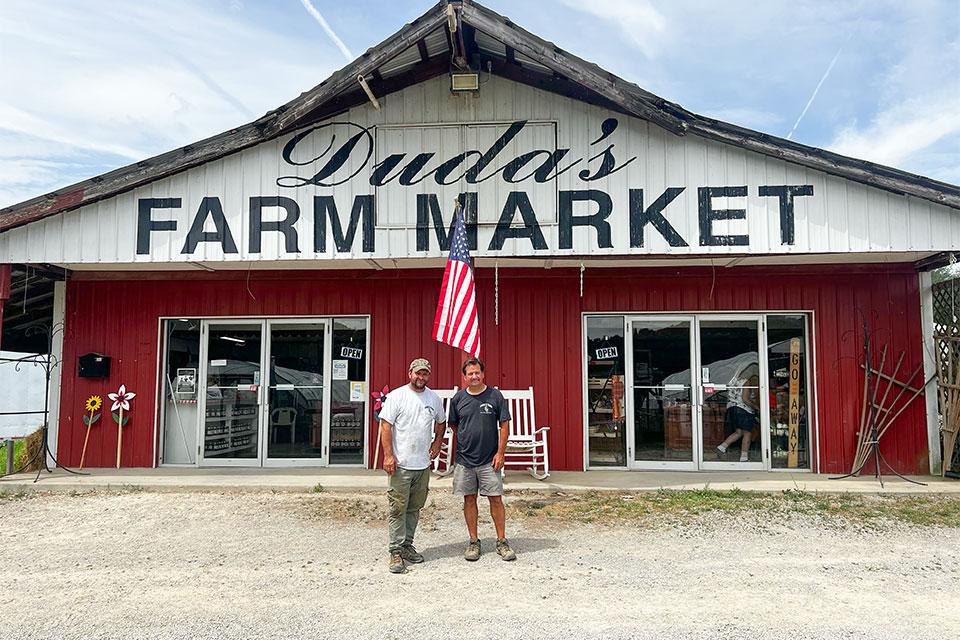
Social media has quickly become one of Duda Farm’s biggest tools for keeping visitors engaged year-round. Through live videos showing the work, cost, and care behind each crop, the Duda brothers (Mark and Andrew) help customers understand and appreciate the process.
Photo by Michele Katsaris
For generations, families in Uniontown, PA, have marked the seasons not by the calendar but by Duda’s sweet corn, hayrides, and haunted mazes. A longtime community staple, Duda’s Farm has stayed afloat by turning to agritourism to bring people together and weather difficult times. As farming grows more challenging, the Dudas continue to rely on authenticity, hard work, and community connection to keep their fields thriving.
Cultivating Connection Through Crops
Mark and Andrew Duda’s father never planned to become a full-time farmer. While working as a microbiologist at Brownsville Hospital Laboratory, he began raising cattle and growing sweet corn on the side to help feed them. Before long, the Duda brothers were selling the extra ears for fifty cents a dozen from a small roadside stand. What started as a simple family project gradually grew into a steady business as they opened more markets and began selling directly to their community.
Sweet corn remains Duda’s signature crop. It’s prized for its bi-color varieties and remarkable sweetness — so much so that a customer once joked it was “so sweet they must be putting sugar in it,” a phrase the farm proudly adopted as its slogan.
The Challenges and Realities of Small Farming
For the Duda family, hardship isn’t an unfamiliar territory. Bankruptcy once tested their resolve, and the realities of small-scale farming continue to evolve in ways that make survival increasingly difficult.
Mark explains that input costs for everyday essentials — from seed and fertilizer to plastics, packaging, and fuel — have soared in recent years, all driven by rising energy prices and petroleum-based materials. Despite those mounting expenses, selling produce at higher prices risks driving customers away in a community already feeling financial strain.
To stay afloat, the Dudas have scaled back operations, running fewer markets, cutting out the middleman, and doing more of the work themselves. Yet even with those changes, profit margins remain thin.
“Right now, we’re just trying to survive,” Mark admits. “It’s dollars and cents—we’re not getting any younger, and every farmer I talk to is struggling.”
Equipment, supplies, and even simple necessities have become costly, chipping away at both income and morale. Still, the Dudas hold fast to their mission, hoping the community continues to buy local and support small farms like theirs through the hard seasons ahead.
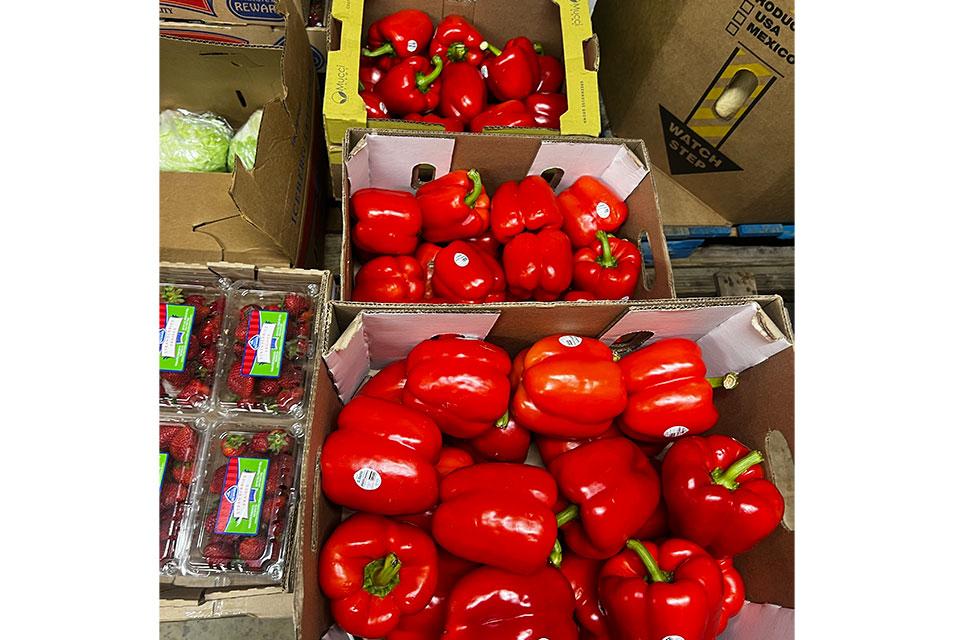
Fresh veggies at Duda’s Farm.
Photo by Michele Katsaris
Growing Community Through Agritourism
From the first light of day until long after dark, summer at Duda’s Farm is a nonstop rush of activity. The season kicks off in early July and runs through Labor Day, with the Fourth of July standing out as the farm’s busiest time of year. Mark and Andrew are in the fields before sunrise, checking what the roadside markets need and organizing crews to pick fresh corn each morning. By mid-morning, the stands open, the irrigation pumps are running, and produce is being harvested to keep shelves full for loyal customers.
“We get really close to selling out every day at the markets,” Andrew says.
Mark recalls that the haunted theme actually began with a real ghost story.
After a series of strange happenings and a paranormal team’s discovery of a “hotspot” in the fields, local lore branded Duda’s as haunted. The family decided to embrace the legend, turning it into one of their most popular and profitable seasons yet.
American Vegetable Grower’s GROW STRONGER initiative brings you positive stories from progressive growers filled with innovative solutions to help you grow a stronger future.
What began with a simple hayride and a round bale maze in the early 1990s has grown into a full fall experience featuring bonfires, slides, a corn maze, and haunted attractions. Four years ago, the Dudas partnered with a local haunt operator to launch a haunted hayride and maze that now draws visitors every weekend in October. The farm has even hosted movie crews from the cult horror film The Barn 3 was shot right in their corn maze.
Despite the long hours, Mark says the work is worth it.
“People want experiences. They’ll spend money on entertainment even when they’re cutting back on food.”
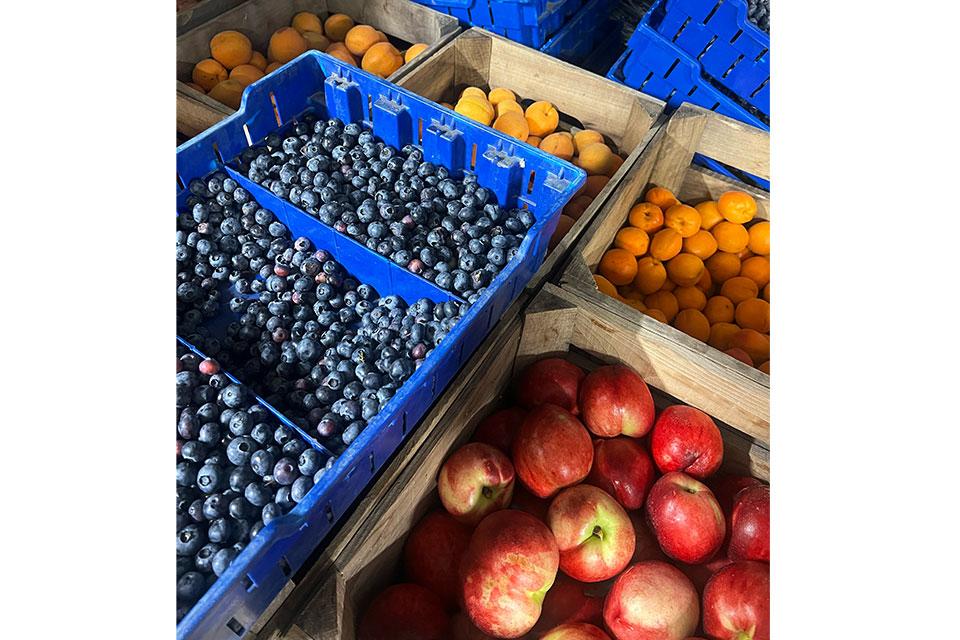
Fresh fruit at Duda’s Farm.
Photo by Michele Katsaris
Building Loyalty and Strengthening Community Roots
At Duda’s Farm, the community isn’t just a part of the business. It’s the backbone.
The Dudas believe that building a stronger local network starts with consistent support, not just during peak summer months but throughout the year. While crowds flock to their stands in July, sales often drop after Labor Day, even though the fields remain full.
They hope visitors will continue to stop by for fall produce or try farm-made goods like pickles, salsa, and sauces that keep their harvests moving and their shelves stocked.
They’ve also built a strong network of local farmers who regularly share advice, compare notes, and support one another. A collaboration they credit as essential to their success.
“We wouldn’t be where we are today if it wasn’t for the other farmers around us,” Andrew says.
When asked what they are most proud of, both brothers gave answers that revolved around the community. The satisfied customers, the young kids who worked on their farm, seeing their current employees who have helped at the market.
But Andrew Duda ends with, “Another proud moment is having our story be told in the American Vegetable Grower.”
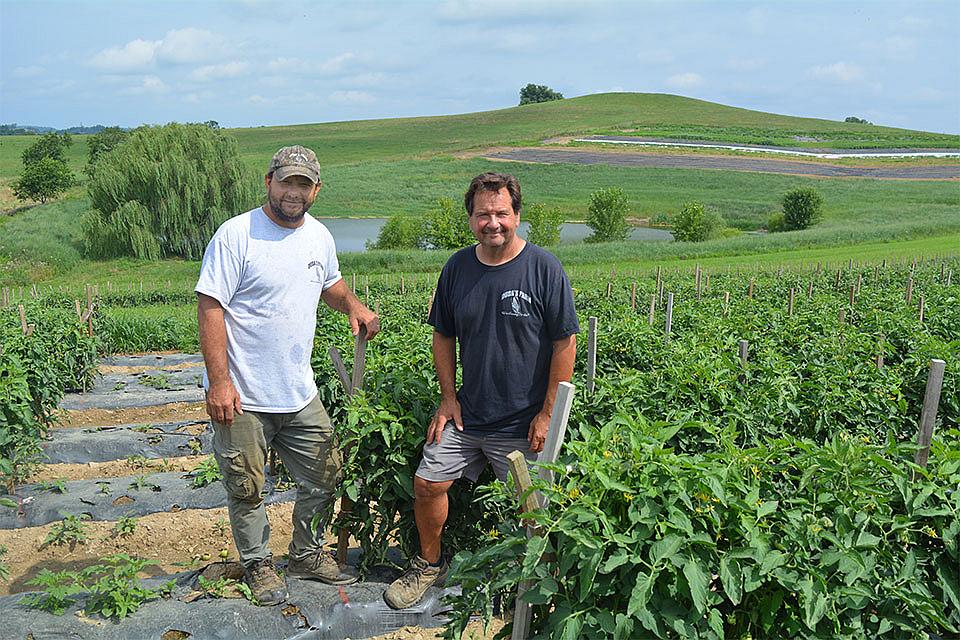
Photo by Michele Katsaris
DUDA’S FARM AT A GLANCE
OWNERS: Brothers, Mark and Andrew Duda
YEAR FOUNDED: 1990
CROPS: Sweet corn, bi-color corn, tomatoes, hot peppers, cucumbers, cabbage, zucchini, and more
MARKET: Uniontown, PA
Subscribe Today For
