


How Jacobs Farm del Cabo Grows Success From the Ground Up
 February 4, 2026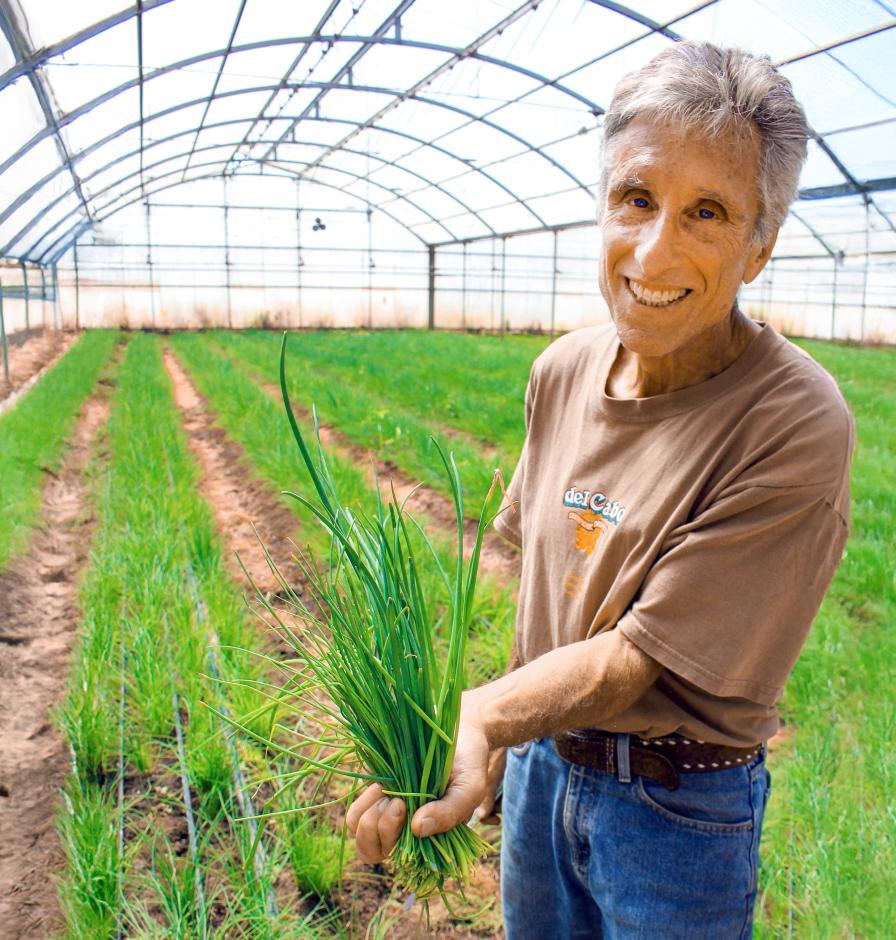
Larry Jacobs of Jacobs Farm del Cabo.
Photo by Carol Miller
The farm works because the system works. Build the soil. Design for biology. Remove stress before it becomes a problem. That philosophy quietly shapes everything Larry Jacobs does at Jacobs Farm del Cabo. Rather than relying on a single practice or input, the operation is built around how its parts fit together — soil health, protected production, disciplined weed control, and technology chosen to support the system rather than override it.
The result is an organic operation that scales without losing coherence, and a model for other growers can adapt without copying crop mix, geography, or size.
Designing for Consistency
Jacobs doesn’t frame organic production as a checklist. He treats it as a system that either functions or doesn’t.
Most production is under cover, where humidity, temperature, and workflow can be tightly managed. Protected structures reduce volatility, particularly for fresh herbs where quality, aroma, and regrowth matter as much as yield. Covered production also supports repeatability: beds turn faster, regrowth is more predictable, and stress events are easier to manage.
That consistency allows Jacobs to lean into prevention rather than reaction. When crops are grown in stable conditions and soil biology is functioning well, pressure from insects and disease is less likely to escalate.
Starts With the Soil
Soil is the foundation of the entire system.
Jacobs often compares soil to a digestive tract. When biology is healthy, plants access nutrients efficiently, tolerate stress, and recover quickly after harvest. That belief translates into disciplined management rather than ideology.
Soil is tested regularly. Amendments such as gypsum or sulfur are applied as needed. Compost is used deliberately to build structure and microbial life — not as a cure-all, but as a stabilizer that improves resilience over time.
Jacobs has described sourcing organic residuals locally and cycling them back into the soil, with the goal of compost that behaves like forest soil — stable, humic, and biologically active. When soil health is right, other parts of the system become easier to manage. Weed pressure is more predictable. Insect flare-ups are less frequent. The farm becomes more forgiving under stress.
Letting the System Work
One of the harder skills in system-based farming is restraint. Jacobs has described situations where insect pressure appeared concerning, but beneficial insects were already present. Instead of intervening immediately, he waited — and the system corrected itself.
That approach isn’t passive. It depends on observation, experience, and confidence that habitat, soil health, and crop vigor are aligned. Protected production reinforces that balance by limiting environmental stress signals that attract pests in the first place.
Weed Control Without Shortcuts
Weeds are where system discipline is tested. In organic production, timing is everything. Miss the window and labor costs rise quickly. Jacobs relies on mechanical and thermal tools that allow early, repeatable passes before weeds gain size or competitive advantage.
Flame weeding is part of that program. Not as a novelty, but as a predictable reset. Slow, controlled passes heat the bed surface and manage early flushes without resistance risk. In protected systems, where beds can be turned quickly and regrowth is uniform, flaming fits cleanly into a tight production rhythm.
Where Soil Meets Smart Tech
Jacobs is often described as a “soil-first” grower, which makes his early embrace of farm robotics notable.
He worked closely with farm-ng early in the company’s development, helping refine an autonomous flamer weeder that is now part of his system. During your visit, the machine was hard to miss — moving slowly over beds after herbs were cut back, burning the surface.
The tool serves more than one purpose. It suppresses early weeds and helps reduce aphid pressure on regrowth, minimizing the need for other interventions. More importantly, it reinforces the system rather than replacing it. The robot supports soil health and timing; it doesn’t compensate for their absence.
Technology here isn’t about removing people from the farm. It’s about making work more precise, repeatable, and less physically punishing. Tasks that once required multiple workers can now be handled by one operator, freeing labor for higher-value work.
American Vegetable Grower’s GROW STRONGER initiative brings you positive stories from progressive growers filled with innovative solutions to help you grow a stronger future.
Why It Matters
Jacobs is clear about his perspective. He wants agriculture to move away from default assumptions that insects are enemies, and weeds are problems to be sprayed away. In his view, well-designed systems can replace many inputs — and often at lower long-term costs.
Not every grower will adopt the same tools or practices. That’s beside the point. What transfers is the framework:
- prioritize soil biology,
- manage pests and weeds through timing and system design,
- use protected production to reduce volatility,
- and apply technology where it genuinely strengthens the system.
Jacobs Farm del Cabo shows how those principles can hold together at scale and over time.
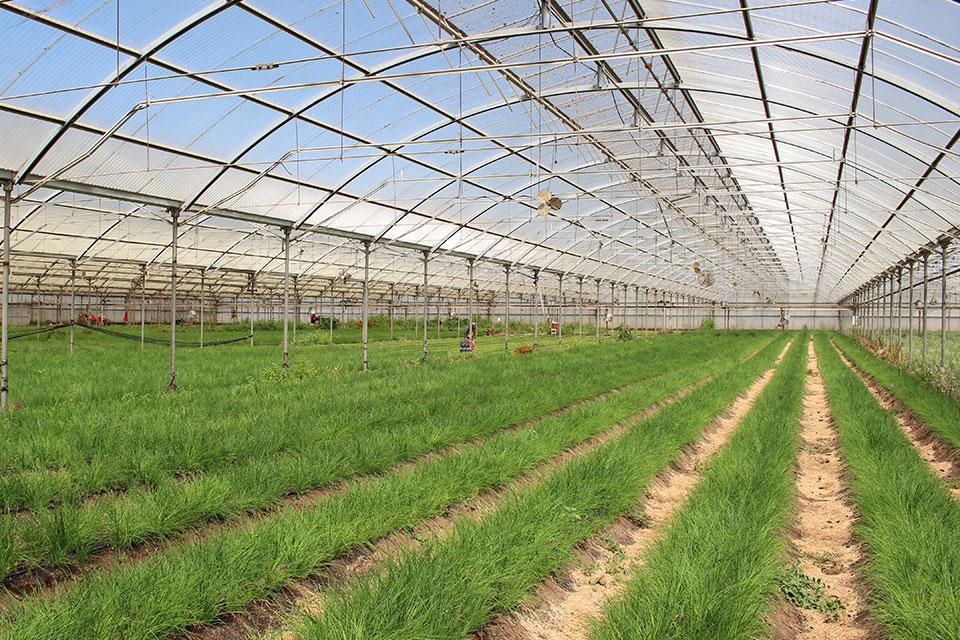
Protected crops growing at Jacobs Farm del Cabo.
Photo by Carol Miller
From Labor to Ownership in Baja California
One of the reasons Larry Jacobs was named the West Region Grower Achievement Award winner lies south of the border.
Through del Cabo, Jacobs helped build a network of growers in Baja California that shifted from labor-based export agriculture to farmer-owned operations. The goal was not simply winter supply, but long-term viability — teaching growers why systems work so they could manage soil, timing, and diversification themselves.
What began as a community-focused effort had to become a business to survive. As customers demanded near year-round supply, the network learned to “move with the sun,” pairing California production with Baja farms while maintaining consistent standards.
Over time, the impact became generational. Jacobs has described communities where farm income supported education and leadership beyond agriculture, reinforcing the idea that resilient supply chains depend on profitable farms and shared knowledge — not just contracts.
AT A GLANCE | Jacobs Farm del Cabo
Owners: Larry Jacobs and Sandra Belin
Founded: 1980
Headquarters: Central Coast, California
Production Footprint: California Central Coast and Baja California, Mexico
Primary Crops: Fresh culinary herbs; tomatoes and other specialty vegetables
Subscribe Today For
