




Protect produce from plant-parasitic nematodes and preserve soil health
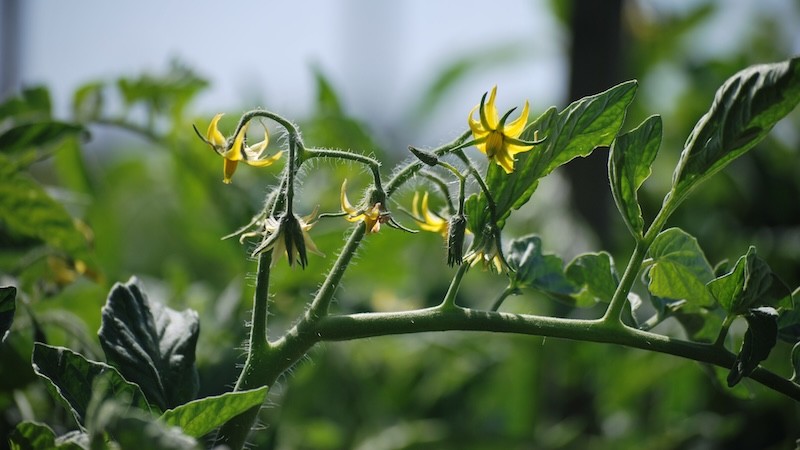
Before the first seed breaks the soil surface or before the first fruiting positions appear, nematodes could already be threatening your produce crop’s health and yield potential.
A single acre of production ground can harbor a million to several billion nematodes, so growers should take soil samples from multiple locations across production ground to more accurately estimate population incidence and distribution.
“Root-knot nematodes are, by far, the most economically important plant-parasitic nematodes that threaten produce production across the southeastern United States each year,” said Sunil Tewari, U.S. regulatory leader, Corteva Agriscience. “They inject compounds into root cells that reprogram root cells into feeding sites, damaging plant root systems.”
Because nematode populations are typically higher at the end of the cropping cycle, Corteva recommends growers collect soil samples just after harvest. Remember: Sandier soils support higher nematode populations than heavier soils.
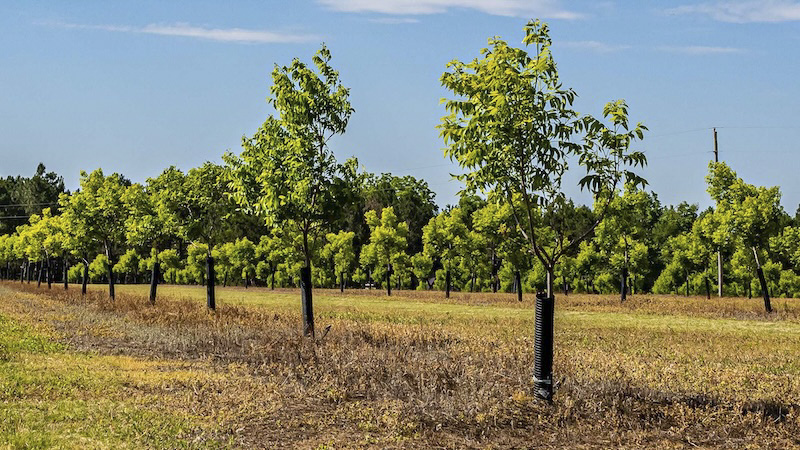
As the U.S. Department of Agriculture continues to support good soil health through various programs and initiatives, it is important to remember that free-living and beneficial nematodes play a vital role in maintaining healthy soils.
Preserving soil health, beneficial nematodes
Mature weeds may act as host plants for plant-parasitic nematodes, but these underground worms prefer newer rooting systems from young fruiting vegetable plants.
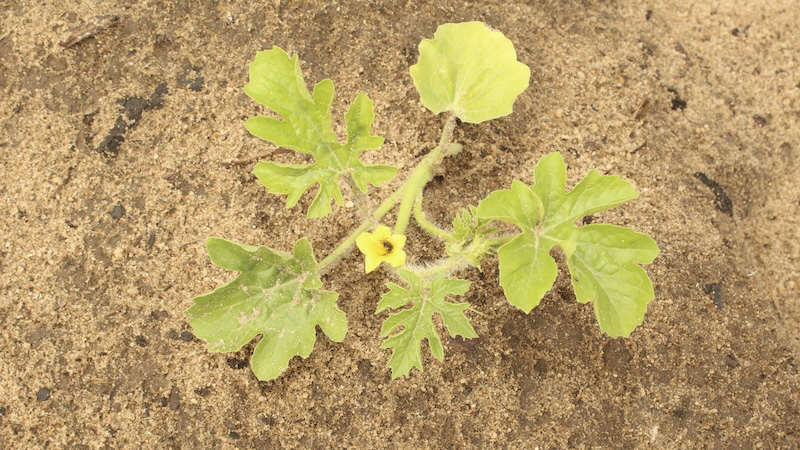
“Roots of young vegetable plants are very susceptible to plant-parasitic nematodes,” Tewari said. “Crop losses are linked to early root infection during plant establishment. So, it is critical to control nematodes early in the cropping cycle to protect those developing roots.”
While some nematode control products are less than friendly on soil health, Salibro® nematicide with Reklemel® active can help protect a wide variety of crops from plant-parasitic nematodes without disrupting the healthy balance of beneficial organisms in the soil.
“As the only true nematicide that can be used for in-season applications, Salibro nematicide is a great way to extend control of both guava and southern root-knot nematode beyond the traditional at- or preplant nematicide applications,” said Todd Spivey, technical field agronomist, Corteva Agriscience. “With zero-day plant-back and in-season labeling, Salibro nematicide is an excellent solution for last-minute acreage shifts and season-long control from a nonrestricted-use product.”
For more information on how to control plant-parasitic nematodes with Salibro nematicide, visit Corteva.us/Salibro.