



Organic Version Of Glyphosate On The Way?
 January 1, 2009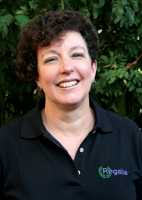
The most difficult problem faced out in the orchards and vineyards by most organic fruit growers isn’t pests or even diseases, but weeds. If only they had a systemic, naturally occurring herbicide that could provide much longer control than burn-down products — an organic glyphosate if you will — many of those headache-inducing weed problems would be solved.
Enter Pam Marrone, who says her company, Marrone Organic Innovations, hopes to have such a product on the market in 2010. “Yes, it’s a pretty aggressive time frame,� she says, “but we have a means of screening developed, and we have promising candidates.�
But if such a product were doable, why hasn’t it been done? “First of all, no one’s looked,� says Marrone. “Second, you must find one that works on certain pathways, and many companies have thought the organic market was not worth the time.�
She argues that belief is something of a self-fulfilling prophecy because the organic market is currently a niche market only because growers face problems that aren’t easily solved without better tools. “It will remain a small niche without organic weed control,� says Marrone. “It (organic weed control) would move more farmers into organics, which would drive down prices so consumers could afford organic foods.�
Organic Market Could Explode
Despite generally higher costs for organic foods, Marrone notes that demand continues to grow. A lot of organic products, such as staples like flour and sugar, are imported. As for fruit, the organic wine market is really taking off in Europe, and she believes we’d see similar sales in the U.S. if the wines were more widely available. The only reason more winegrape growers don’t farm organically is because of the cost of weed control, which she said ranges from $200 to $600 per acre. “Most winegrowers do everything organic, except weed control,� she says.
Marrone says that surveys indicate that the top reason growers drop out of organic farming is because of weed control, which is why her company has made a systemic organic herbicide its number-one goal. Its number-two goal is to create a pipeline of organic products that would serve a broad range of grower needs. They wouldn’t just be for organic growers, either, as she notes that 80% of biopesticides are used in conventional farming.
It certainly isn’t going to be easy — or inexpensive, she concedes. It costs a lot more to ferment products than to synthesize them. Not only are the raw materials more expensive, but it takes more time and more labor. But it will all be worth it one day, says Marrone, when such biopesticides are widely used and organic foods are no longer a niche market. She firmly believes that day will come. “I may drop the ‘organic’ from Marrone Organic Innovations,� she says. “It’s all part of getting out of the pigeonhole.�
Subscribe Today For
