



Integrated Approach Needed for Bacterial Spot of Pepper - Growing Produce
  • Crops
    • Back
    • Vegetables
      • Back
      • Cucurbits
      • Leafy Vegetables
      • Potatoes
      • Sweet Corn
      • Tomatoes
      • More Vegetables
      • Grower Achievement Award
    • Fruits
      • Back
      • Apples & Pears
      • Berries
      • Grapes
      • Stone Fruit
      • Apple Grower of the Year
    • Nuts
    • Citrus
      • Back
      • Oranges
      • Grapefruit & Specialty
      • Insect & Disease Update
      • Varieties & Rootstocks
      • Citrus Achievement Award
  • Brands
    • Back
    • American Fruit Grower
    • American Vegetable Grower
    • Western Fruit Grower
  • Events
    • Back
    • Webinars
    • Bio Solutions Conference
    • Fruit and Vegetable Grower Connect
    • Greenhouse Connect
    • CEAg World Conference and Expo
  • Topics
  • Resource Center
  • Subscribe Now
  • Mobile Social Icons
  • Crops
    • Vegetables
    • Fruits
    • Nuts
    • Citrus
    • Back
    • Subscribe
    Back All Vegetables >

    • All Vegetables
    • Cucurbits
    • Leafy Vegetables
    • Potatoes
    • Sweet Corn
    • Tomatoes
    • More Vegetables
    • Grower Achievement Award
    Back All Fruits >

    • All Fruits
    • Apples & Pears
    • Berries
    • Grapes
    • Stone Fruit
    • Apple Grower of the Year
    Back All Citrus >

    • All Citrus
    • Oranges
    • Grapefruit & Specialty
    • Insect & Disease Update
    • Varieties & Rootstocks
    • Citrus Achievement Award
  • Brands
    • Back
  • Events
    • Back
  • Resource Center
  • Subscribe
  • Advertise
  • Subscribe
  • Advertise
  • Subscribe
Carol Miller

Carol Miller

Seeing Is Believing: There’s More Than One Way To Build a Successful Farm

Thomas Skernivitz

Thomas Skernivitz

Best Quotes From My Travels Around New York State’s Fruit Scene

Bob West

Bob West

Ag Executive Perspective With Chuck Broughton of Rovensa Next

Kevin Burkett, Clemson University

Kevin Burkett, Clemson University

What George Washington Could Teach Today’s Farmers About Recordkeeping

Cyclospora Outbreak Updates: News, Industry Analysis, and More
Sponsor Content

Presented By DuPont Crop Protection

Integrated Approach Needed for Bacterial Spot of Pepper

By Gene McAvoy

Bacterial spot of pepper, (Xanthomonas euvesicatoria) symptoms appear as small, water-soaked greasy spots on infected leaflets, which may coalesce. Fruit lesions appear blistered. In pepper, leaflet infection is most concentrated on older leaves and defoliation may occur in severe infections. Positive diagnosis requires lab tests as other diseases may cause symptoms that appear similar to those of bacterial spot.
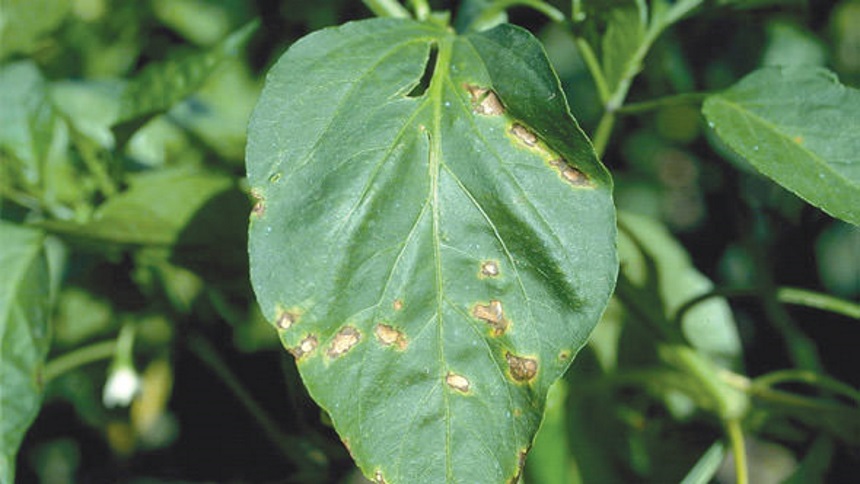
Bacterial spot is one of the most serious diseases of pepper in Florida. It can spread rapidly during warm periods with wind-driven rains, and because fruit symptoms reduce marketability. Photo by Howard Schwartz

Bacterial spot is one of the most serious diseases of pepper in Florida. It can spread rapidly during warm periods with wind-driven rains, and because fruit symptoms reduce marketability. Photo by Howard Schwartz

Survival And Spread
Infection occurs through stomata or wounds made by wind-driven soil, insects, or cultural operations. Most inocula comes from volunteers or infected plant debris in the soil. Temperatures of 75°F to 87°F are ideal for bacterial spot, but infections can occur at higher or lower temperatures.

Management Methods
An integrated approach is needed to manage this disease. Sanitation is important. Volunteers and solanaceous weeds should be destroyed between crops. Transplant houses should be located away from tomato or pepper fields and only disease-free transplants and seed should be planted. Keeping infected plants out of the field is a grower’s first line of defense. Workers and farm equipment should be kept out of fields when fields are wet because the disease spreads readily under wet conditions.

Researchers have identified at least 11 different races of Xanthomonas euvesicatoria. Since no variety incorporates resistance to all races, it is important growers be knowledgeable about locally occurring races and use varieties that have resistance to races in their area. Bacterial spot race 1, 2, and 3 resistant pepper varieties have been used in Florida for many years. Over the past few years, seed companies have introduced several new varieties which incorporate additional resistance to races 4, 5, and 6. These 1-5 and 1-6 resistant varieties have shown excellent resistance and performance in the field.

It’s important to apply sprays before and during rainy periods. If conditions are favorable, frequent spraying may not be sufficient to maintain bacterial spot below damaging levels. The traditional recommendation for bacterial spot control consists of copper sprays. The effectiveness of copper is limited, because of the widespread occurrence of copper tolerance among strains. In the past, copper was tank mixed with maneb to increase efficacy against copper resistant strains. The Maneb label has been pulled, but Manzate ProStick (United Phosphorus Inc.) has received a label for this use on pepper in Florida.

Several products have given good results in research trials when used in rotation with traditional controls. These include Actigard (acibenzolar-S-methyl, Syngenta — chili pepper only), Tanos (famoxidone and cymoxanil, DuPont Crop Protection) as well as Quintec (quinoxyfen, Dow AgroSciences) and Serenade (QST 713 strain of dried Bacillus subtilis, AgraQuest).

Also, a number growers and researchers have experienced success with the bacterial virus AgriPhage (Omnilytics) for control of bacterial spot. Some growers also have reported good results using Oxidate (hydrogen dioxide, Biosafe Systems) as a sanitizing agent.

Gene McAvoy is regional vegetable extension agent IV with UF/IFAS.

Leave a ReplyCancel reply

More from this sponsor

Gray Mold a Problem for Many Crops

Gray Mold a Problem for Many Crops

Sponsor DuPont Crop Protection

Botrytis can cause a variety of problems including damping-off and blights of flowers, fruits, stems, and foliage. Entry often occurs through damaged tissue

Latest Stories

Broccolini Emerging as Fresh Alternative for Vegetable Growers

By Michele Katsaris|August 19, 2026

2026 State of the Vegetable Industry Survey Report Snapshots

By Growing Produce Staff|August 19, 2026

Seeing Is Believing: There’s More Than One Way To Build a Successful Farm

By Carol Miller|August 18, 2026

6 Juicy Fruit Varieties You Should Grow Now

Posted by Growing Produce Staff|August 18, 2026

GrowingProduce GrowingProduce The leader in profits, production and education for produce

© 2026 Meister Media Worldwide

  • About
  • Contact
  • Advertise
  • Subscribe Now
  • Terms of Use
  • Privacy Policy
  • Reprint Permissions
  • Meister Media Worldwide
  • Meister Custom Business Solutions