



Grower Defies Naysayers, Plants Northernmost Grove in Florida
 August 1, 2008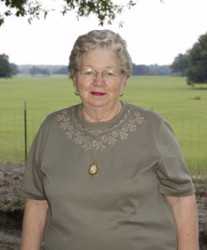
It was once the heart of citrus country, but freezes over the years ended that reign. So when Stella Wells decided to plant a grove in 1993 after her husband passed away, some folks raised an eyebrow or two. After all, her grove in Pomona Park is believed to be the farthest northern commercial grove in the state.
But Wells paid no mind to the naysayers, and in fact, some might say she was down right defiant, determined to prove skeptics wrong. It’s been 15 years now, and her grove has survived three significant freezes, a few other close calls, and is growing strong. At 77, Wells is going strong too and takes great pride in her beautiful grove.
Local And Family Legacy
Besides looking for something to do on her property and keep busy after her husband’s passing, Wells has an appreciation of the long citrus heritage of her area. Her family ties go way back into the history of Florida citrus production.
“When I was a child, my uncle was the first one out here to bud a true blood orange,” she says. “Ever since, I’ve been interested in budding fruit, and that was 70 years ago.”
Being so far north, Wells was looking for a cold-hardy variety, and Satsuma fit the bill. Satsumas along with Navels make up her fresh-fruit plantings. She says the two varieties are about the best tasting citrus in the state. For juice, Wells has 669 Hamlin trees planted, which Faryna Grove Care helps tend and harvest.
Putnam County school kids benefit from “Miss Stella’s” Satsumas and Navels since she has contracted with the schools’ food service departments to provide fresh fruit.
“The fresh fruit starts with the Satsumas and then moves to the Navels,” she says. “Every kid in Putnam County schools gets one orange a day. I’ve checked health department records, and Putnam County has fewer cases of flu in the schools than our neighboring counties. Vitamin C is a good thing.”
School kids are not the only people who appreciate her fresh citrus. During the season, she has people from “all over” visit the farm to buy fruit. For the past eight years or so, Wells has had a fan of her fresh fruit in the highest seat of power — President Bush. Unfortunately, due to new disease-related shipping rules, Wells couldn’t ship her fruit to the White House this past season, and rumors were that “W” was not too happy about it.
“I hope by next season I’ll have some kind of okay for shipping, but that USDA inspector will have to come out here and stamp each and every box to be shipped for approval,” Wells says. “That’s your and my tax dollar at work. It’s foolish if you ask me.”
First Big Chill
In only the second winter of her young grove’s existence, Wells ventured out one frosty morning to find what she feared might be a disaster, despite her efforts during the night to freeze protect. A neighbor, Leroy Turner, came over to see how the trees had fared the night.
“Leroy came over and asked, ‘Miss Wells, I hope you don’t mind, but I wanted to come over and see how bad you were hurt,’” she says. “I said it’s bad, but he said, ‘No ma’am, you haven’t broken any wood.’”
Turner told her that only the tender new growth was hurt and needed trimming back after the freeze had passed. Early in the morning after the freeze, Wells says she finds Turner out in the grove trimming back the freeze-damaged foliage. Eventually, Turner trimmed the whole grove back, while Wells mowed the centers.
“Then he asked me, ‘What are we going to do next?’” she says. Just about every day since then, Turner, 83, has come to help and “keep busy” working in the grove and around the farm.
Tricks Of The Trade
That first hard freeze was not the last, but Wells asked questions from people in the know, and experience has taught her tricks to deal with freezes. Remembering the days of smudge pots and burning lighter knots to protect against freezes, she wasn’t sure about protecting with water.
“When they told me to freeze protect with water, I said that was crazier than hell,” Wells jokes. “But they explained to me it wouldn’t get any colder than 32°F, and what we are really interested in is protecting the bud of the tree.”
She says one of the most important things she has learned is turning the water on early enough before the little pipes can freeze up.
“When I first started, I would wait until the temperature got down to 38°F before I turned the water on,” says Wells. “Well, most times that is in the middle of the night. With no more water than you are going to use, it is better to go ahead and turn those misters on in daylight. That way you can see which misters are not working properly and can clean them out.”
Another trick Wells has learned is not to trim the bottom canopy too high. “I don’t trim my trees from the bottom like a lot of folks,” she says. “You’ll lose some fruit that is lying on the ground, but that extra canopy gives you heat during a freeze. On cold mornings, the trees look like teepees with steam coming right out the top of them.
“I was green when I got into citrus and learned by trial and error,” she says. “I made mistakes and they made mistakes (grove advisors). I’ve learned from them and they’ve learned from me.”
One thing is certain: Everyone could take a lesson from Stella Wells pursuing her dream of planting a citrus grove, even when some people said it couldn’t or shouldn’t be done. Well she’s done it now for 15 years, and if you are ever around Pomona Park, stop by Stella’s and enjoy some fresh Florida citrus and the stories she tells about her life and the history of Florida.
Subscribe Today For
