



6 Emerging Vegetable Pests To Watch Out For
As new pests continue to emerge and pose threats to vegetable crops, it’s crucial for growers to stay vigilant and adapt their pest management strategies. Experts provide insights on identifying these pests early and taking proactive measures to combat them through monitoring, prevention, and innovate control solutions.
Emerging Pests
Each year, vegetable growers find a familiar lineup of pests, including squash bugs, corn earworms, cucumber beetles, diamondback moths, Colorado potato beetles, thrips, and stink bugs.
However, new pests are also emerging, presenting additional challenges for growers.
Corn leafhopper. One of the most notable new pests this year is the re-emergence of corn leafhopper. Spreading through Florida, Texas, and parts of the Midwest, the corn leafhopper poses a major threat to corn.
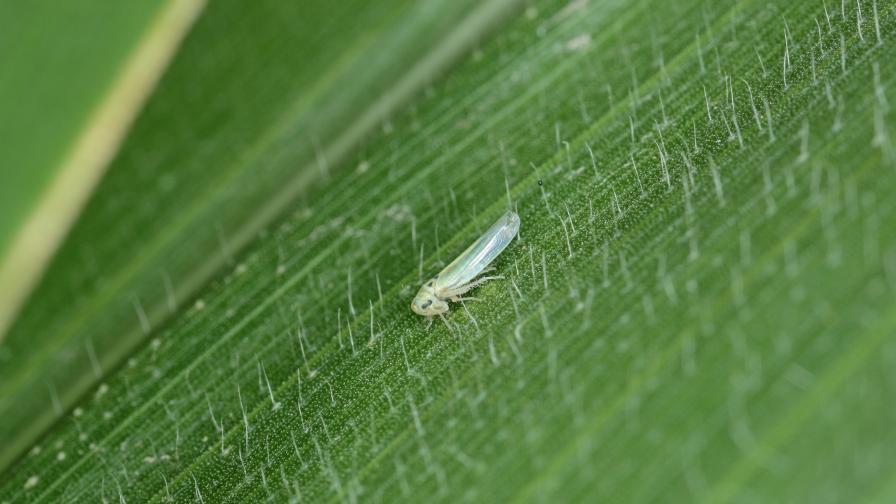
Corn leafhopper.
Photo by Tomasz – stock.adobe.com
“Corn leafhoppers are susceptible and greatly reduced by naturally occurring fungal entomopathogens under humid environmental conditions. When the environment is hot and dry, corn leafhoppers tend to be much more prevalent,” David Kerns, Associate Department Head & IPM Coordinator, Department of Entomology, at Texas A&M University says.
Corn silk fly. The corn silk fly, a new species, is now being observed in Southern Florida up to Kentucky. The larvae feed on corn silk, potentially reducing pollination and affecting yields.

Corn silk fly.
Photo by Gregg Nuessly, UF/IFAS
“The last two years [corn silk fly] have caused up to 100% losses in some late harvest fields in three southern Kentucky counties,” Ric Bessin, Extension Professor, University of Kentucky says.
Mites. Zach Schumm, Insect Diagnostician, Director, at Iowa State University shares that vegetable experts have reported a rise in mite infestations, with broad mites on peppers, cyclamen mites on strawberries, crown mites on spinach, and russet mites on celery.
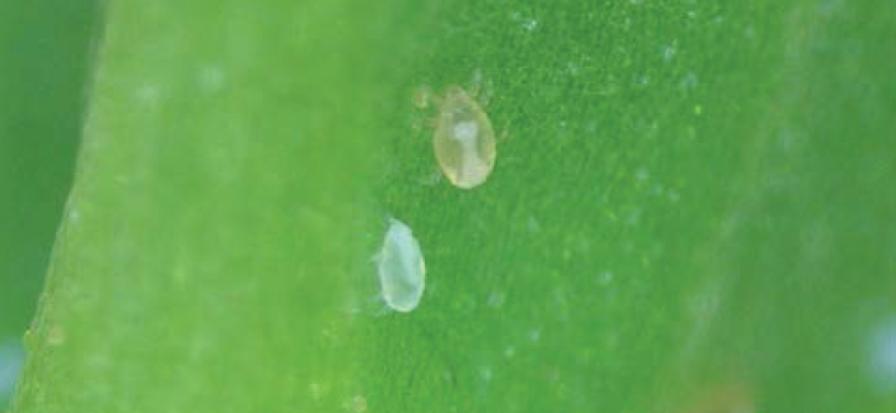
Adult broad mites.
Photo by T. Dellinger, Virginia Tech, Virginia Cooperative Extension, and Virginia State University
Allium leafminer. Up north in Massachusetts, there are a number of insects present which have been an increasing concern. Those include Allium leafminer, which lay eggs in allium crop leaves, which cause physical damage that often lead to bulb roots.
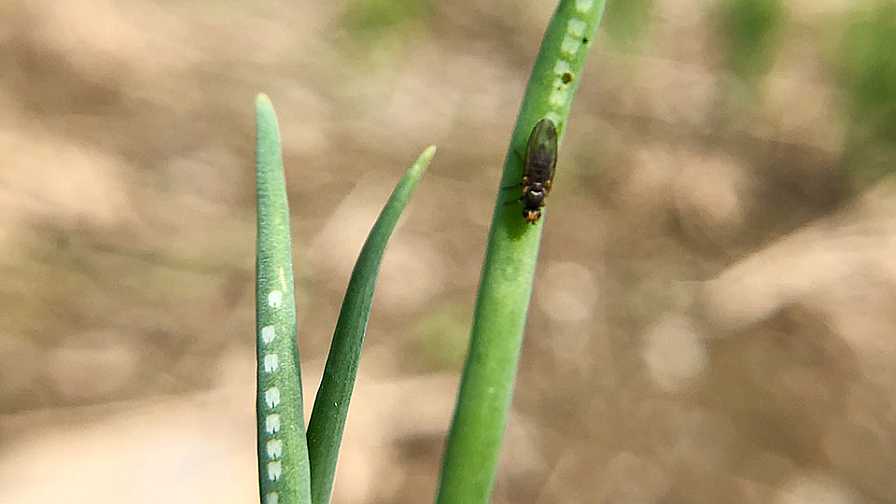
Adult female Allium leafminer. Note the marks on the plant.
Photo by Brian A. Nault
“There are two generations — a spring and a fall generation. We see a lot of damage in overwintered onions and fall leeks, which are out in the field when the pest is active,” Ali Shokoohi, Extension Educator – IPM, UMass Vegetable Program, at University of Massachusetts Amherst says.
Swede midge. Swede midge, another fly pest, which feed in the developing growing point of brassica crops, causing heads forming or no heads at all. The cross-striped cabbageworm has caused damage on brassica foliage that can skeletonize the leaves.
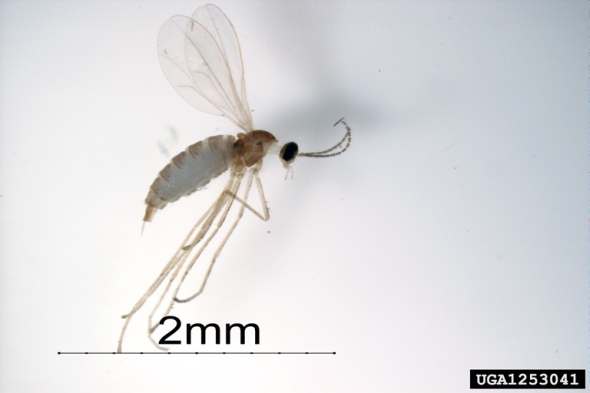
Swede midge, now in Michigan, typically spreads to new areas in infested transplant material.
Photo credit: Susan Ellis, USDA APHIS PPQ, Bugwood.org
Corn earworm. Entomologists are seeing pockets of overwintering populations of corn earworm. Crop earworm moths lay their eggs in corn silk, and the caterpillars move into the developing ears once they hatch, causing significant feeding damage and producing lots of frass, making ears unmarketable.
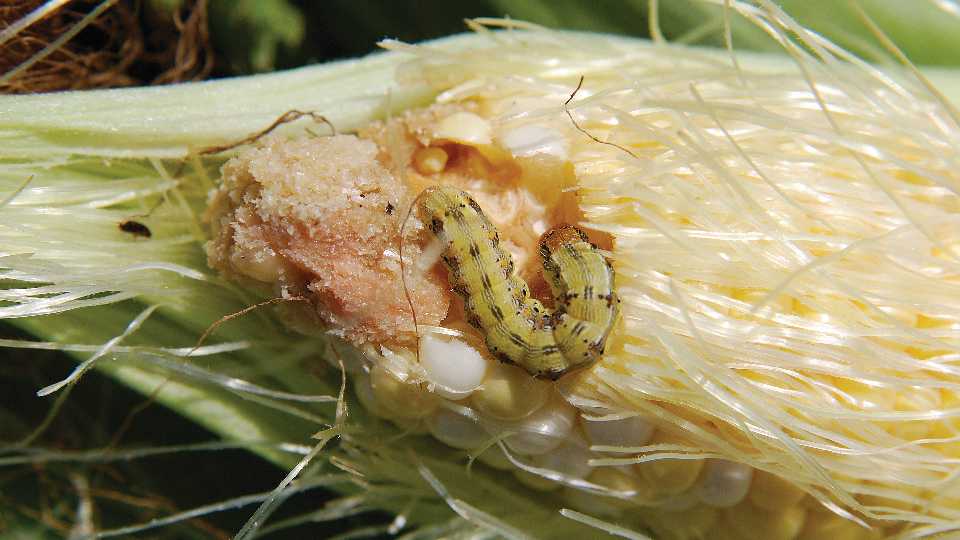
Corn earworm. Photo by Gregg Nuessly
“Crop earworm can be monitored using pheromone traps, and trap captures can inform insecticide spray intervals. We’re encouraging our growers to set up crop earworm pheromone traps early in the season to catch any overwintering moths so that they’ll be ready to spray as soon as they have silking corn if needed,” says Ali Shokoohi, Extension Educator – IPM, UMass Vegetable Program, at University of Massachusetts Amherst.
Subscribe Today For
