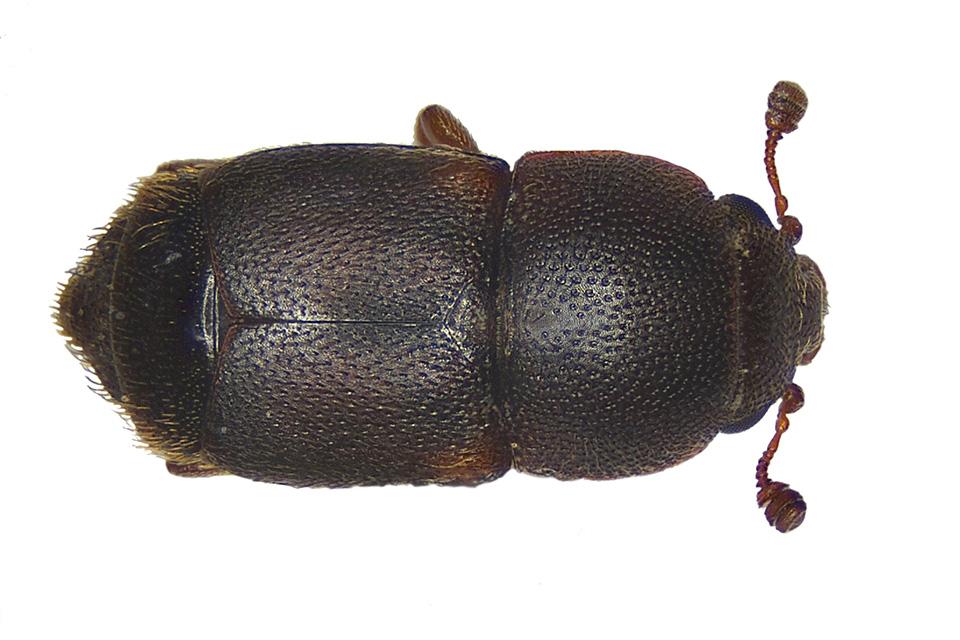
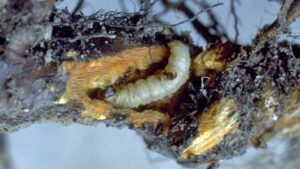
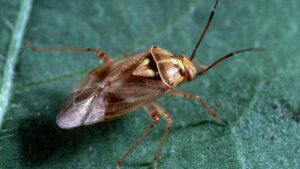
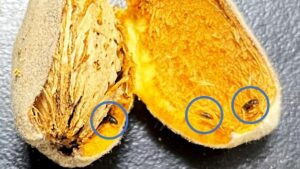
What Nut Growers Should Know About the Carpophilus Beetle By David Eddy|January 30, 2024 Yet another invasive insect to wreak havoc on crops? Learn more about the latest of invasions that threatens California tree nuts.Read More
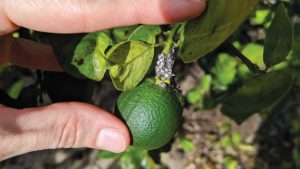
Will New HLB-Resistant Rootstock Change the Game for Florida Citrus? By UF/IFAS News|October 16, 2026
International Fresh Produce Association Appoints New Board Chair Posted by Growing Produce Staff|October 15, 2026
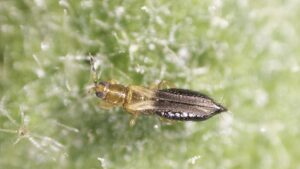
Breakthrough Study Might Have Solutions For Thrips Parvispinus By UF/IFAS News|January 26, 2024 Invasive pest has been a pain for fruit, vegetable, and ornamental plant growers in Florida. Researchers evaluate promising products for control.
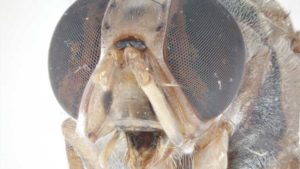
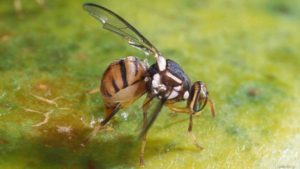
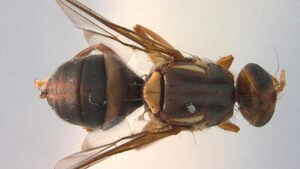
Big Plans To Help Mitigate Fruit Fly Scourge in California By California Department of Food and Agriculture|January 22, 2024 All host fruit for the Oriental fruit fly to be removed from properties, with trees remaining in place.
The Most Problematic Weeds, Diseases, and Pests for Vegetable Growers By Growing Produce Staff|January 12, 2024 The country’s leading experts weigh in on why these insects, weeds, and diseases are such a problem.
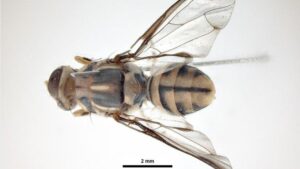
Fruit Fly Invasion Situation Grows on in Southern California By USDA-APHIS|January 2, 2024 USDA-APHIS expands Oriental fruit fly quarantine in response to more confirmed detections of adult flies from various trapping sites.
EPA Gives Update on the Next Steps for Chlorpyrifos By AgriBusiness Global|December 21, 2023 Following recent court ruling, government agency is issuing guidance on what’s to come for controversial pesticide.
Invasive Fruit Fly Quarantine Areas Expand in Parts of California By USDA|December 8, 2023 USDA-APHIS is applying safeguarding measures and restrictions on the interstate movement of regulated plants and produce.
Relentless Surge of Fruit Flies a Pain for California Growers By UC Agriculture and Natural Resources News|November 27, 2023 Recent finds involving multiple species of the flying pest have sparked seven different quarantines across the state.
Ways To Help Keep Peach Borers at Bay By Thomas Skernivitz|November 21, 2023 Pheromone mating disruption remains the primary management solution.
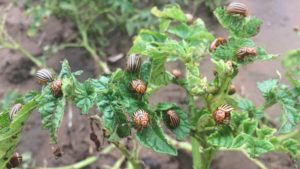
Scientists Searching for New Ways To Protect Potato Crops from Pests By Michigan State University AgBioResearch|November 14, 2023 A $6 million grant from USDA aimed to help researchers explore alternative management solutions in lieu of using neonicotinoids.
Less Lygus Bugs in the Field Equals Superior Strawberries By Thomas Skernivitz|November 7, 2023 Fortunately, unprecedented suppression may be forthcoming with a new insecticide.
Ag Groups Cheer Court’s Defense in Science-Based Regulation of Chlorpyrifos Posted by Growing Produce Staff|November 6, 2023 Appeals court ruling restores agricultural uses of the controversial crop protection tool.
New Pest Found Infesting California Almond And Pistachio Crops By UC Agriculture and Natural Resources News|November 3, 2023 Researchers say crop sanitation will be key to controlling the invasive carpophilus beetle.
Climate Change Could Spark Surge in Pests That Target Key Fruit and Nut Crops By UC Agriculture and Natural Resources News|October 30, 2023 California growers beware. Newly published study expects three major pests — codling moth, peach twig borer, and Oriental fruit moth — to rise up.
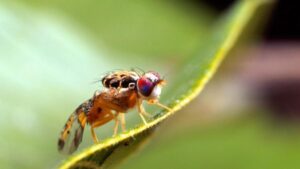
Another Exotic Pest Find in California? Say G’day to the Queensland Fruit Fly By California Department of Food and Agriculture|October 25, 2023 This exotic pest native to Australia is known to target more than 175 different fruits, vegetables, and plant commodities.
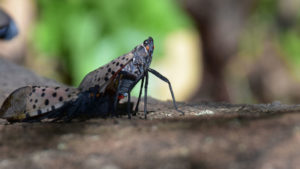
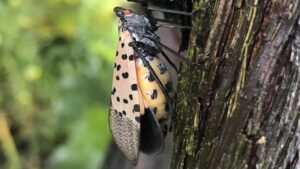
Help Wanted Now To Track the Spread of Prolific Spotted Lanternfly Pest Posted by Growing Produce Staff|October 21, 2023 Researchers are calling on farming operators in the Mid-Atlantic region to participate in a survey.
It’s Official: Dreaded Spotted Lanternfly Pops up in Middle Tennessee By Tennessee Department of Agriculture|October 2, 2023 Tennessee is the 16th state to detect the invasive spotted lanternfly since it was first discovered in Pennsylvania in 2014.
Parts of Central California on Alert for Oriental Fruit Fly Menace By California Department of Food and Agriculture|September 13, 2023 The Oriental Fruit Fly pest is known to target more than 230 different fruit, vegetable, and plant commodities.
Quarantine Zone Expands in Southern California for More Exotic Fruit Fly Finds Posted by Growing Produce Staff|September 5, 2023 Already on alert, USDA-APHIS inspectors confirm 20 more adult specimens of the Zeugodacus tau fruit fly were recently found in Los Angeles County.
Superior Solution: New Field Diagnostic Kit for Lebbeck Mealybug In the Works Posted by Growing Produce Staff|August 24, 2023 New study says research partners have found a faster, safer, and less expensive way for growers to detect the invasive pest.