Food Safety
The two countries agree to work toward strengthening their cooperation on the pressing matter.
With the mounting food safety requirements and increasingly stricter standards from retailers, traceability is not an option for growers wanting to stay competitive.
Peaches, nectarines, plums, and pluots packed in June and July tested positive during internal testing at Wawona Packing Company.
Despite barrages against modern agriculture, there is hope.
The Food Safety Modernization Act will prescribe numbers to a once generic standard.
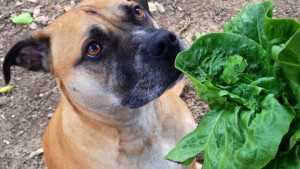
Man’s best friend is being trained to use scent detection to identify contaminated produce.
The Western Institute for Food Safety and Security is focusing on rural communities and making them aware of threats to crops or livestock.
Consumers don’t equate fresh fruit and genetically modification technology. GMO-free labels confuse the issue and create fear where there should be none.
Negative portayals of ag in the media aside, the real threat to the public image of the grower is growers themselves.
A Purdue University study shows that treating food products with bacteriophages, which are viruses that kill bacteria, may significantly lower concentrations of E. coli.

A GenNext Grower takes the reins on implementing a program to accurately track and maintain logs from the field to the packing shed.
Researchers are taking a close look at the potential of using ultraviolet LEDs on the packing line.
Florida Grower editor Frank Giles says it’s time to dumb down the message on the current and future state of food production.
FDA officer Michael Mahovic reviews the findings from Chamberlain Farms’ 2012 outbreak and provides food safety pointers.
First felony conviction under Michigan’s state food law; owner charged with willful misbranding and adulteration of food products.
FDA agrees to firm deadlines to enact the Food Safety Modernization Act.
Workshop to be held in April in Washington state and is designed for growers/packers/shippers, processors, and other industry organizations.
California field studies on E. coli and Salmonella will lead to better food safety policies.
The Jensen brothers were sentenced after they pleaded guilty last year to introducing adulterated food into interstate commerce.