



WTO Ruling Puts A Chill On COOL
 December 5, 2011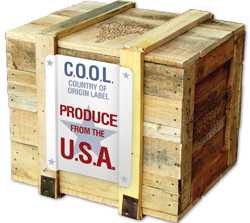
After complaints from Canada and Mexico, a panel of judges from the World Trade Organization (WTO) has ruled that provisions of the U.S. country-of-origin labels (COOL) violate global trade guidelines.
According to the compliant, the requirement that U.S. food processors identify which countries cattle, hogs, and some produce items originate added unfair costs and reduced competitiveness of products coming from outside the U.S. WTO judges agreed that these policies meant for beef and pork resulted in products coming from Mexico and Canada being treated less favorably in the U.S marketplace.
In the wake of the ruling, a number of groups, including the U.S. Pork Producers Council and Food Marketing Institute, took the occasion to call on Congress to revisit COOL and consider its repeal. Meanwhile, the Produce Marketing Association (PMA) is more neutral on the ruling. PMA’s senior director of public relations says the association is monitoring the situation closely with a keen eye on what it means for the produce industry.
The U.S. Trade Representative’s office (USTR) characterized the ruling as not a rejection, but more of a point of clarification. Here’s the USTR’s statement on the matter:
“We are pleased that the panel affirmed the right of the U.S. to require country of origin labeling for meat products. Although the panel disagreed with the specifics of how the U.S. designed those requirements, we remain committed to providing consumers with accurate and relevant information with respect to the origin of meat products that they buy at the retail level. In that regard we are considering all options, including appealing the panel’s decision.”
The ruling may have an impact on as many as 70 other WTO-member countries that also have mandatory labeling requirements. The U.S. has 60 days to appeal the ruling which came down in late November.