



Seven Tips To Combat Fire Blight
 January 16, 2013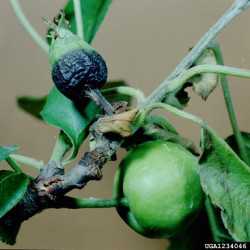
Researchers from Washington State University Extension offer several pointers to prevent the spread of fire blight bacteria:
- Cut blight out of the orchard in the winter, and when it is noticed during the summer.
- Control the amount of moisture in the orchard. During the highest fire blight risks, give the orchard some soil drying time.
- Remove blossom infections by hand on young trees. Plant fire blight resistant rootstock.
- Apply a biocontrol if blossoms are expected during a high risk temperature period.
- Use models and advisories as a reference of when to apply control products.
- Use preventative sprays, when appropriate. When the risk rises from “low” to “moderate,” monitor the daily blight calculations. If the risk level is “high,” applying a preventative spray may be a best practice. When risk levels are “extreme,” use all blight control practices.
- Scout your orchard five-seven days after an infection period for blight symptoms. Remove strikes if found.
For more information on each of these steps, visit
http://county.wsu.edu/chelan-douglas/agriculture/treefruit/Pages/Fire_Blight_Control.aspx.
0
1
5
Seven Tips To Combat Fire Blight
Subscribe Today For
