Protected Agriculture
During a panel discussion at the recent Vision Conference, industry insiders argue the industry is poised to get past current “trough of disillusionment.”
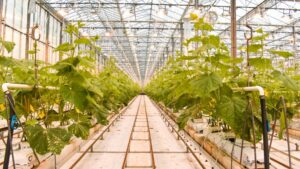
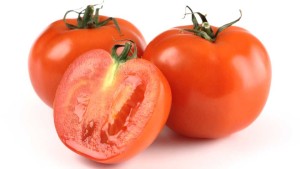
For optimum crop health, tomato crops need water and fertilizer, but light is the driving force for photosynthesis.
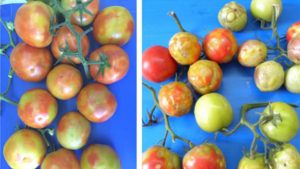
Find out more about a digital portal created by Syngenta provides insights and solutions to help reduce impacts from the pathogen.
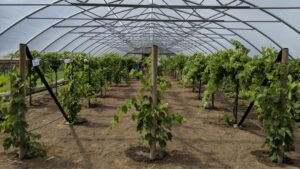
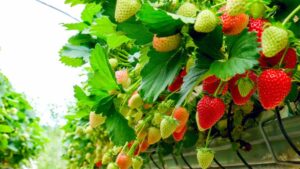
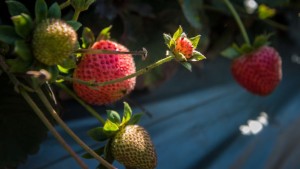
Greenhouse-grown berries can be a highly profitable crop for growers of all sizes, and several operations have already added them to their production line.
These alternative crops are trending in the greenhouse due to years of research and looking for the most profitable market for these products.
The USDA Agricultural Research Service is partnering with AmplifiedAg on technology to advance and expand the agency’s ever-growing CEA focus.
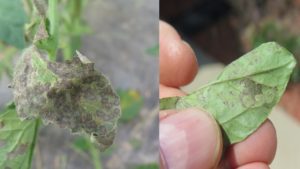
Compared to field production, greenhouses have a suitable environment for many disease organisms. And they’re ready to take advantage of the conditions.
Plenty Unlimited has secured up to 120 acres of land near Richmond, VA, to bring fresh produce to the East Coast year-round, starting with Driscoll’s berries.

The International Fresh Produce Association’s new volunteer committee will focus on opportunities available within this rapidly growing market.
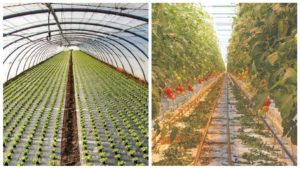
How do fields, high tunnels, and greenhouses stack up against each other?
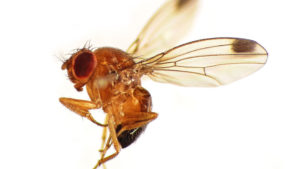
SWD and mites can’t resist the perfect growing conditions.
Weigh these practical factors before investing in your protected ag structures.
Ecoation is now offering its data digitization platform to strawberry and blueberry growers to digitize their IPM programs.
Large fresh fruit operation teams up with Plenty to build its first commercial strawberry indoor vertical farm.
A broad coalition of industry leaders has formally voiced its support for continued certification of greenhouse vegetables grown hydroponically as organic.
Get an update on continuing discussions taking place between the Center for Food Safety and the Coalition for Sustainable Organics.
Cucumbers are rarely grown when soil temperature drops below 60°F. A common technique in Asia may give you an extended season.
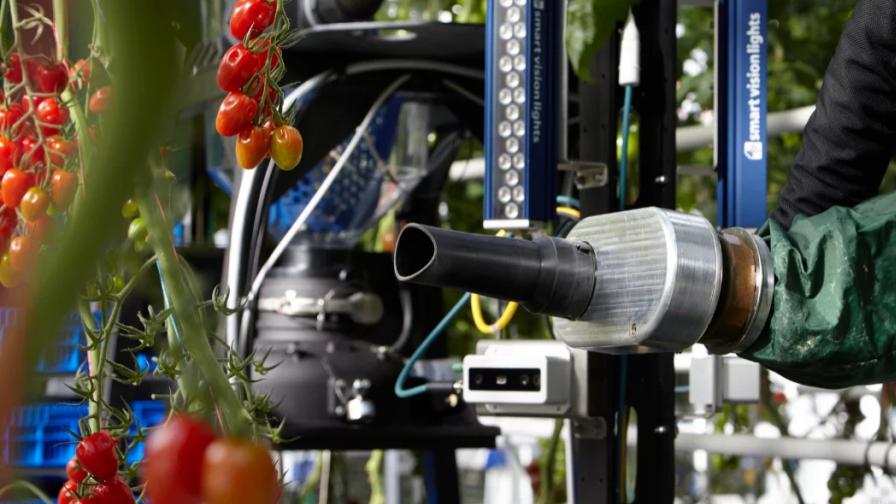
Software mogul leads the way in effort to raise more than $50 million for California startup that believes bots can grow produce more sustainably.
Dr. Rick Snyder’s retirement leaves a gap in greenhouse production research. Now’s the time to tell your local Extension and universities what you need.