


2026 Vegetable Seed Trials: Bejo Builds on Cabbage Genetics, Grows Opportunities for Kale and Carrots
As vegetable growers face increasingly variable growing conditions, Bejo Seeds is concentrating on improving established varieties while developing crops that offer greater consistency, disease resistance and market flexibility.
View all
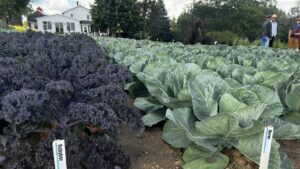
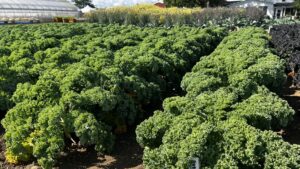
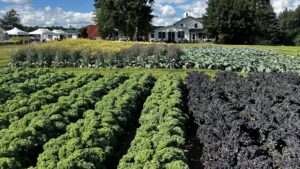
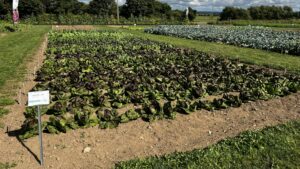

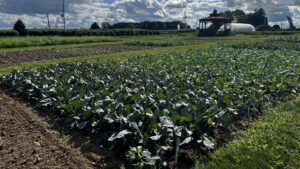
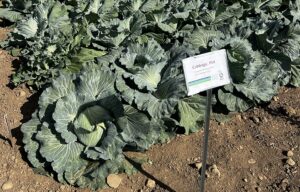
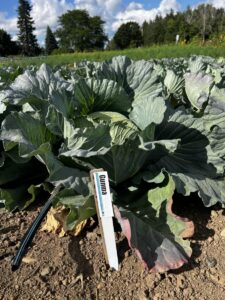
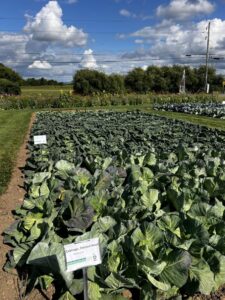
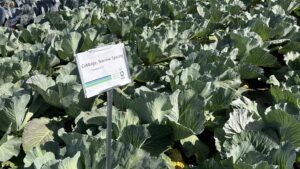
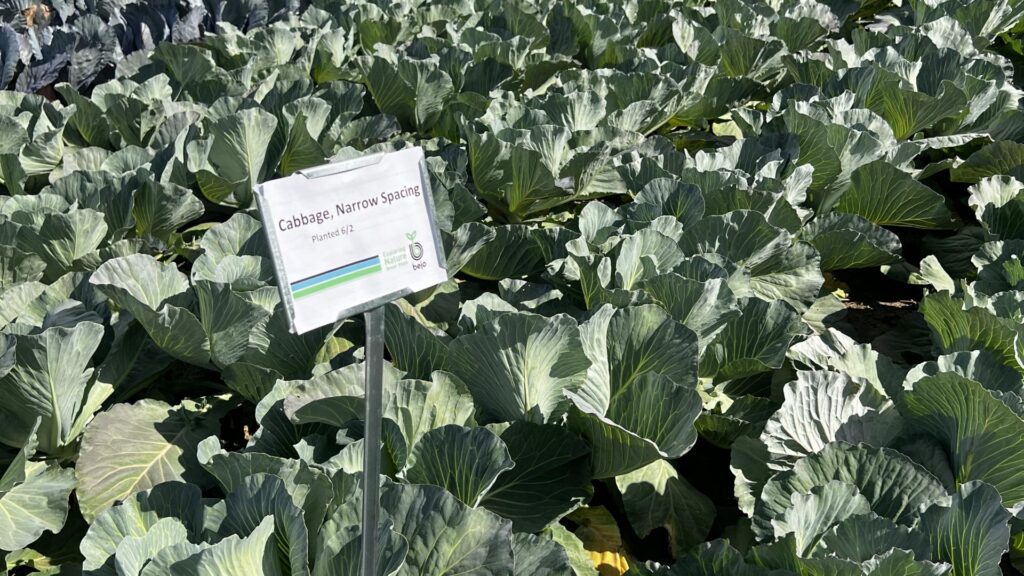
During its 2026 Geneva Open Days in New York, the company highlighted breeding developments across cabbage, kale, and carrots, emphasizing the importance of regional variety selection and evaluating crops beyond their appearance in the field.
Allison Wahlig, Marketing Manager at Bejo USA, discussed how the company’s breeding efforts are addressing production challenges while also considering flavor, quality and the different markets growers serve.
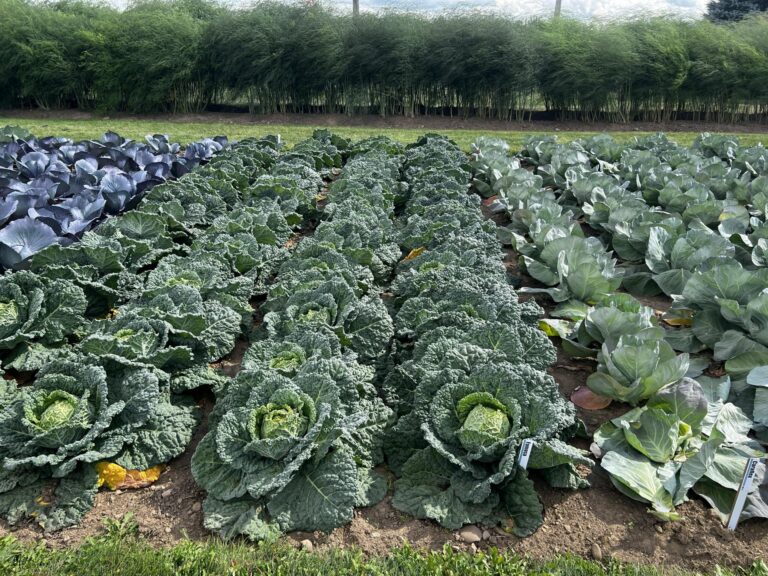
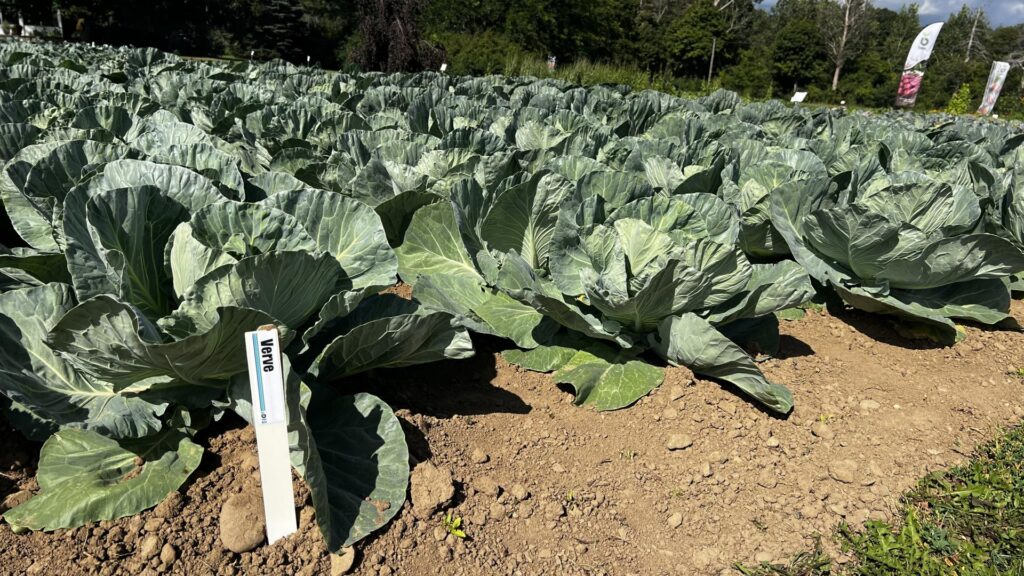
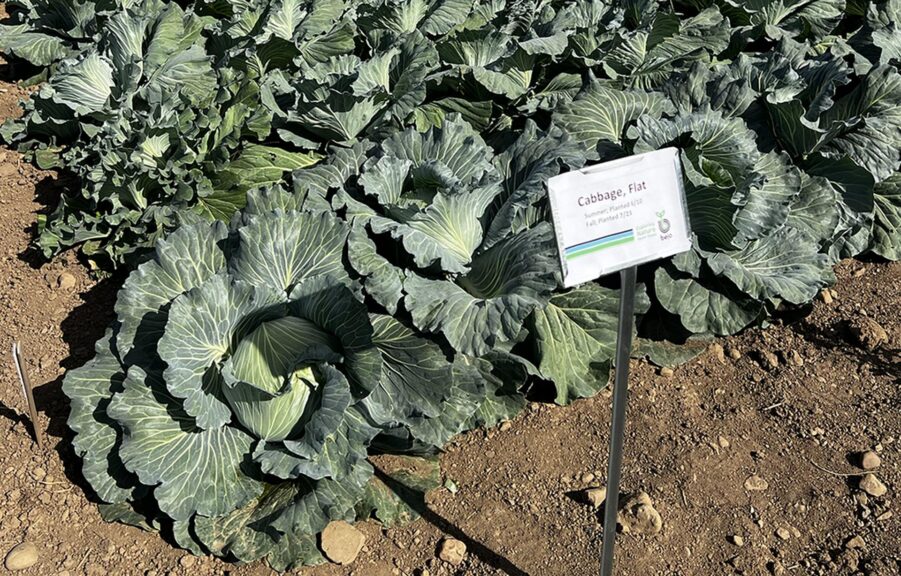
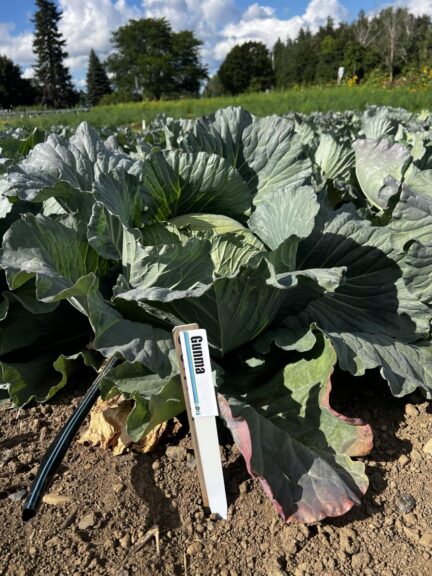
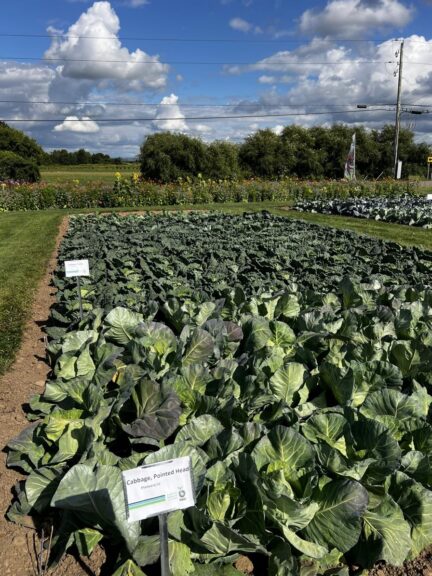
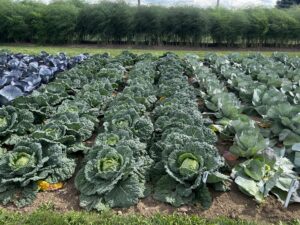
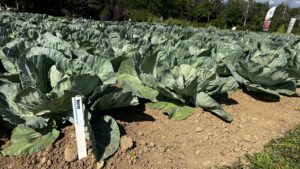
Cabbage remains a significant focus for Bejo, particularly as breeders work to improve the performance of established genetics.
One example is Bejo 3609, an improved Bronco-type cabbage developed to complement Bronco, a variety that has been part of the company’s assortment for more than 30 years.
Although Bronco has maintained a longstanding position in the market, Bejo’s breeders have been working to address performance limitations through changes to its genetic background.
“Our breeders have been working with our parent lines and introducing new genetic material,” Wahlig says.
The newer selection features an improved root system, while efforts to strengthen black rot resistance remain an important part of the company’s cabbage breeding work.
Rather than replacing established varieties outright, Bejo is developing additional selections that provide growers with options for different production needs.
Cabbage breeding is also extending beyond traditional production characteristics. Wahlig explained that flavor and culinary applications are becoming part of the evaluation process, with breeders considering how varieties perform both in the field and after harvest.
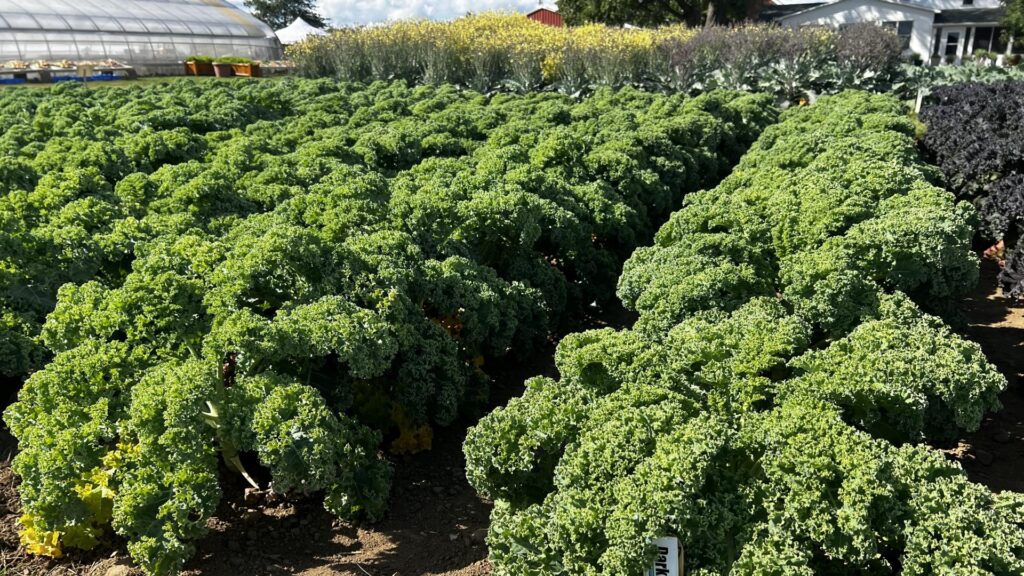
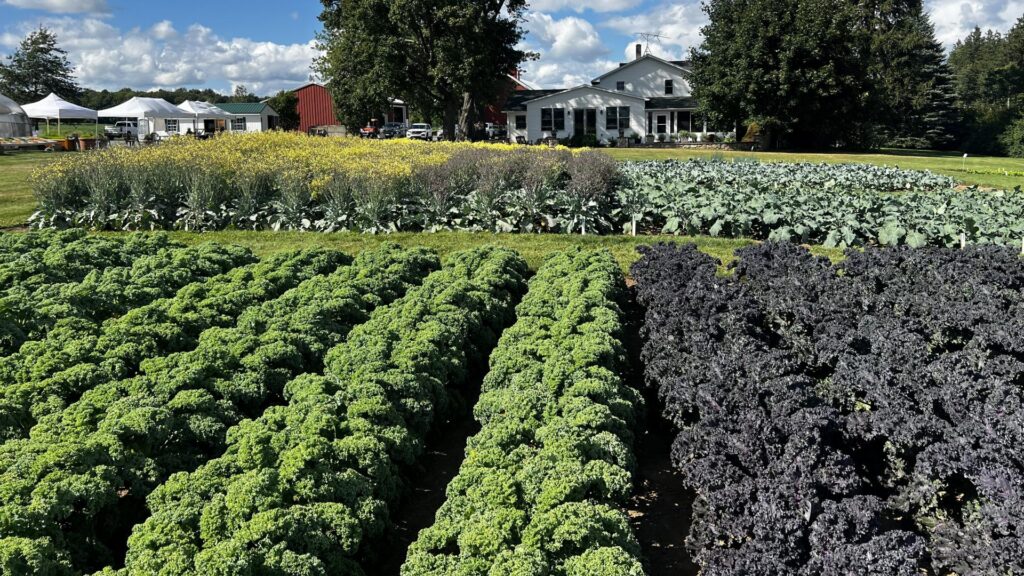
Purple Kale Combines Heat Tolerance with Harvest Consistency
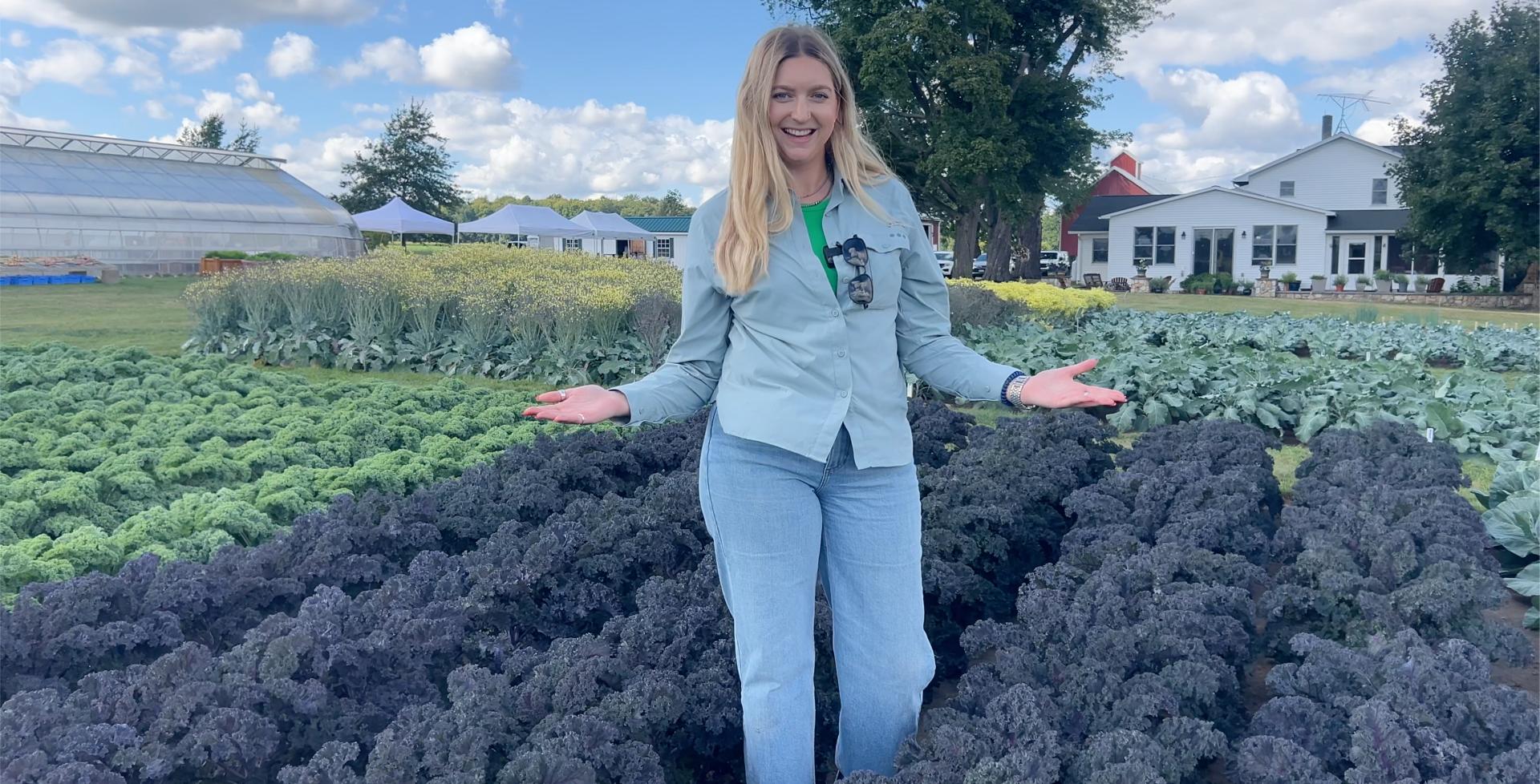
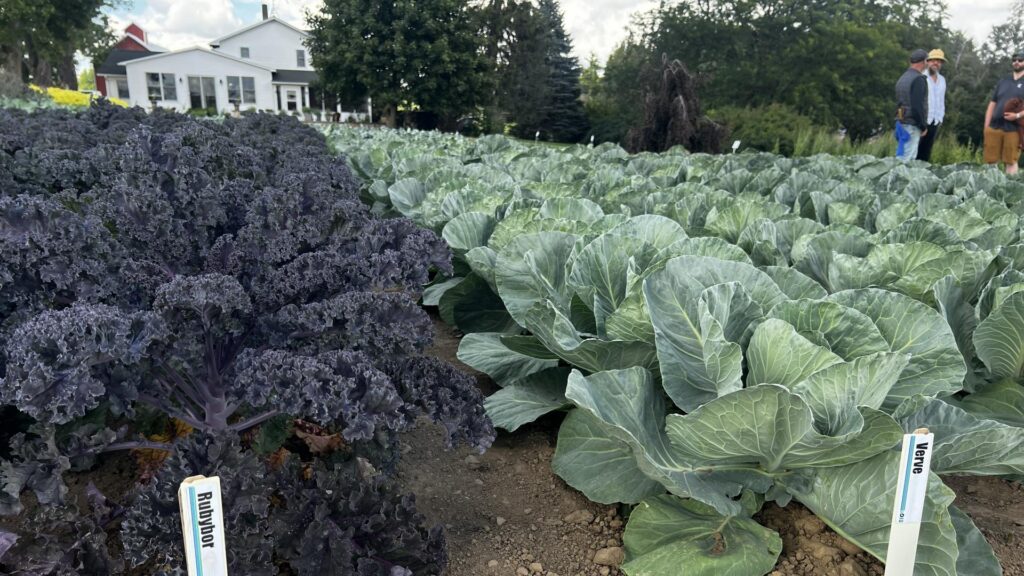
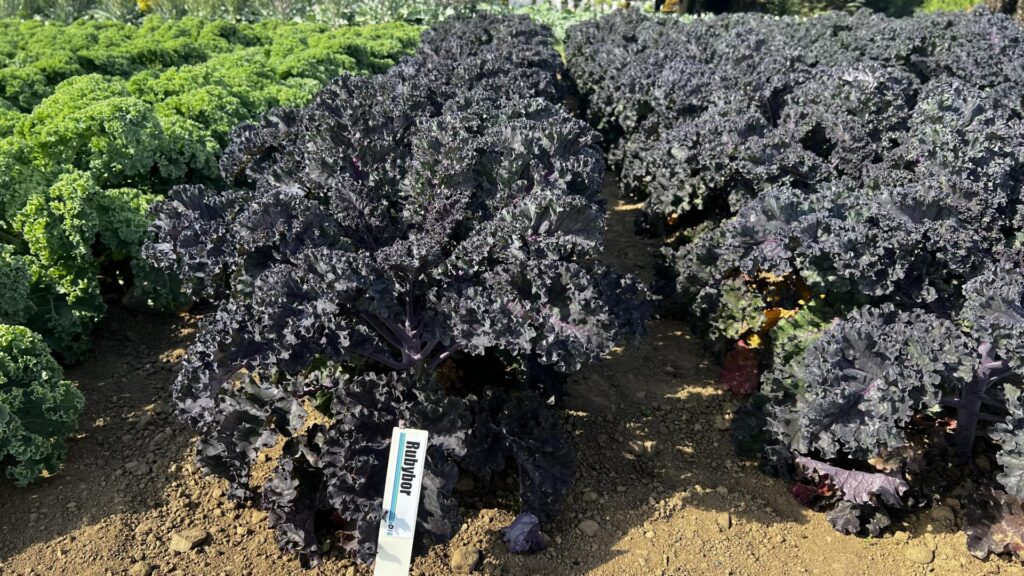
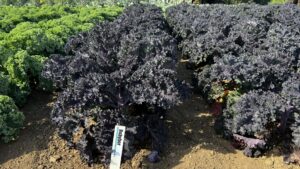
Rubybor, a purple kale variety recognized by All-America Selections for its edible and ornamental qualities, was another focus during the event.
The variety maintains its deep purple coloration throughout the growing season, from transplant through harvest. According to Wahlig, its heat tolerance is particularly relevant for growers in warmer regions, including the Southeast.
Maintaining consistent coloration across the field can improve harvest uniformity, reducing the variation growers may otherwise encounter as temperatures fluctuate.
That consistency also has implications for marketability. Rubybor’s appearance allows it to serve both edible and ornamental markets, including fresh kale products, garden plantings, and container production.
Its recognition by All-America Selections reflects the variety’s combination of visual characteristics and practical growing applications.
For growers, the ability to produce a crop with consistent color and multiple potential market outlets offers flexibility when determining how to position the harvest.
Navedo Carrots Offer Multiple Market Applications
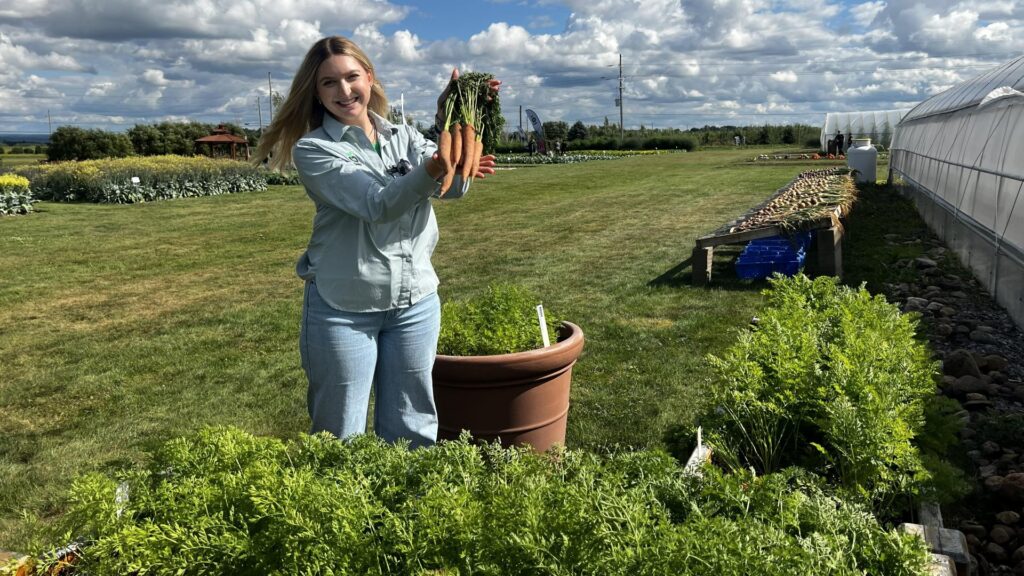
Carrots are another important component of Bejo’s breeding program, particularly in the Northeast, where the company conducts regional trials and variety evaluations.
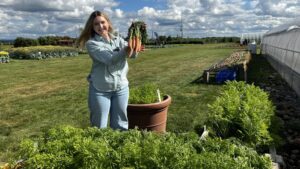
Wahlig highlighted Navedo as a standout selection for its versatility across fresh-market and processing applications.
The variety can be used for fresh sales as well as processing operations, including slicing, giving growers the potential to serve different markets with the same selection.
This flexibility is particularly relevant as growers evaluate varieties based on production requirements, buyer specifications, and available market opportunities.
Regional Trials Address Changing Conditions
Weather variability remains one of the most common challenges Bejo hears about from growers.
Differences in regional climates and changing seasonal conditions make variety selection increasingly important, particularly when growers need consistent crop performance.
“We walk the fields with our growers and our breeders to help select the ideal varieties in your regional climates,” Wahlig says.
Through field evaluations and research trials, Bejo examines how varieties perform under different growing conditions, helping growers identify selections better suited to their region and production needs.
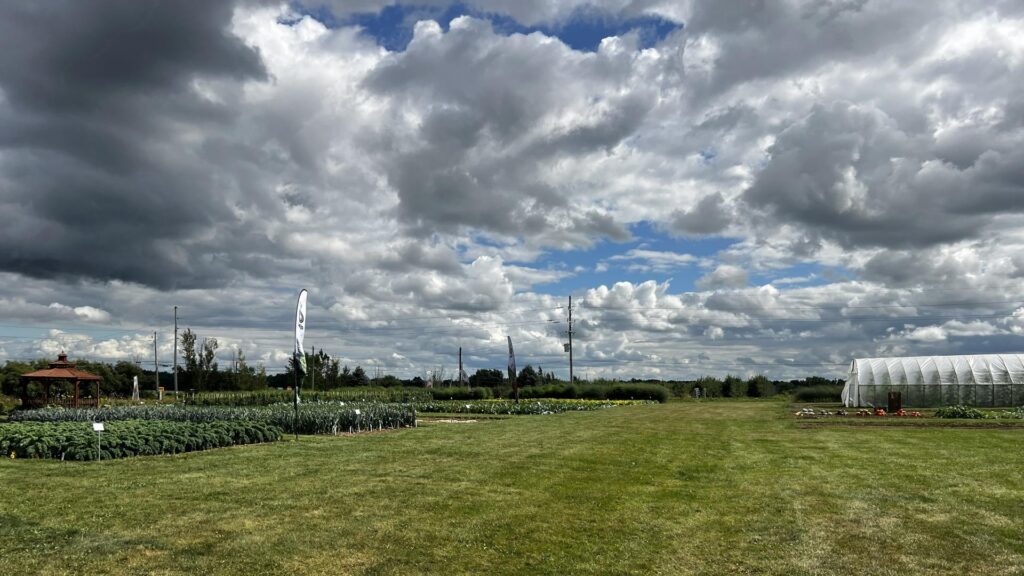
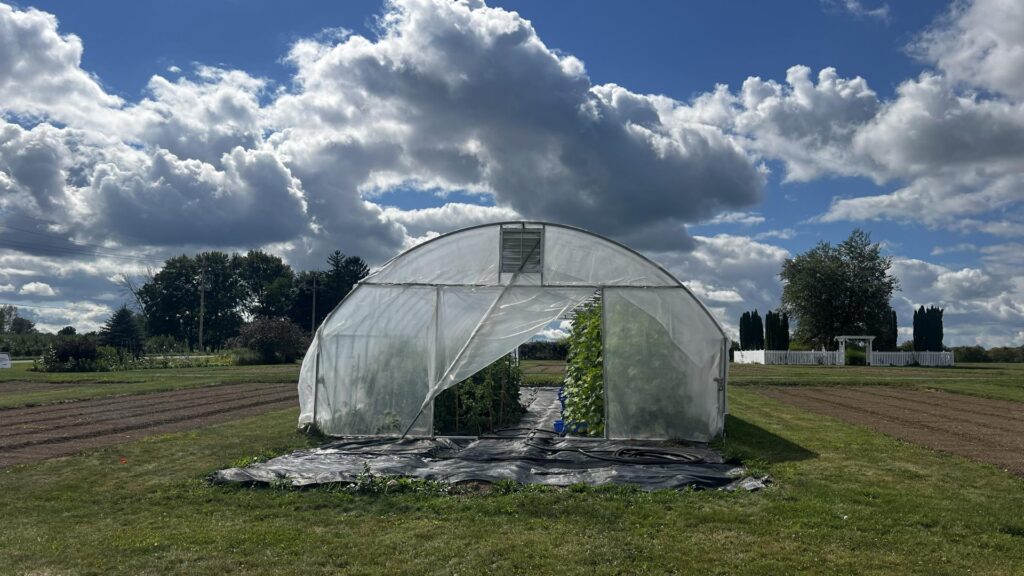
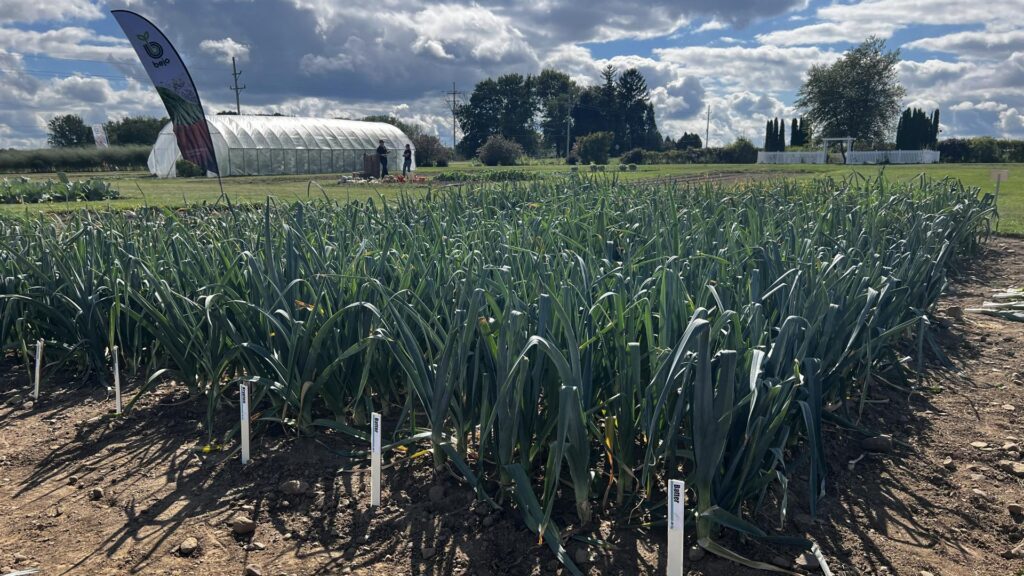
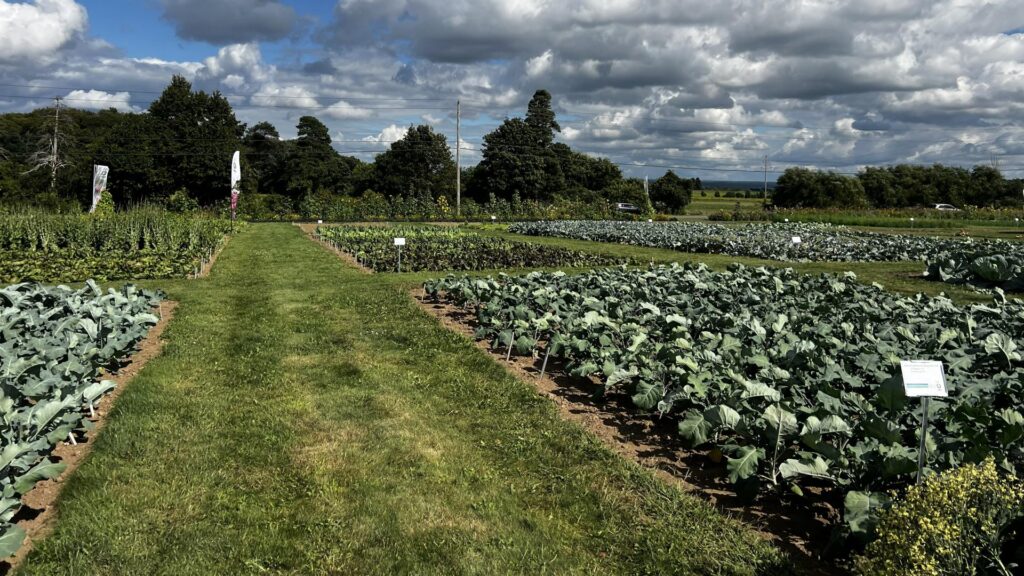
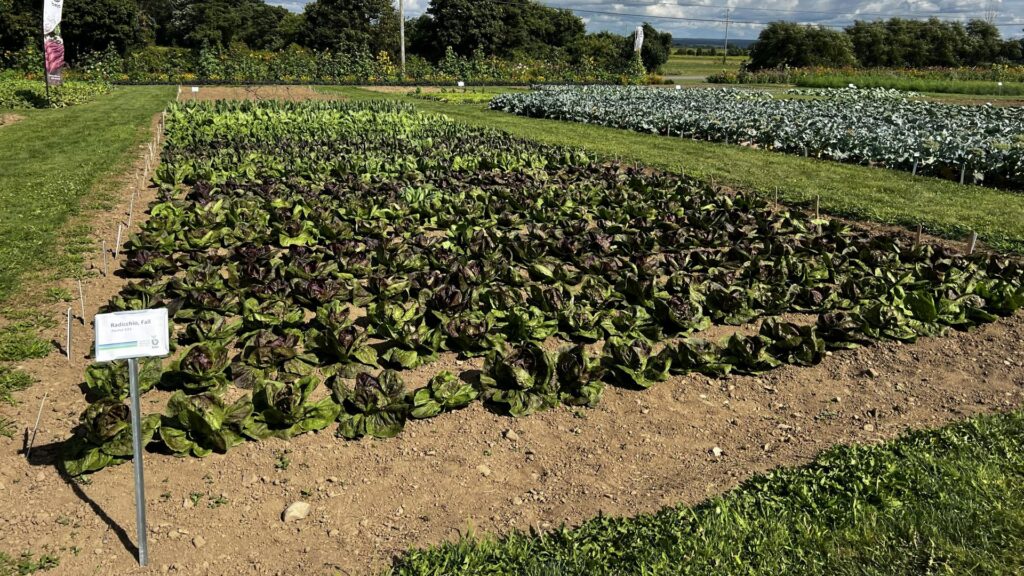
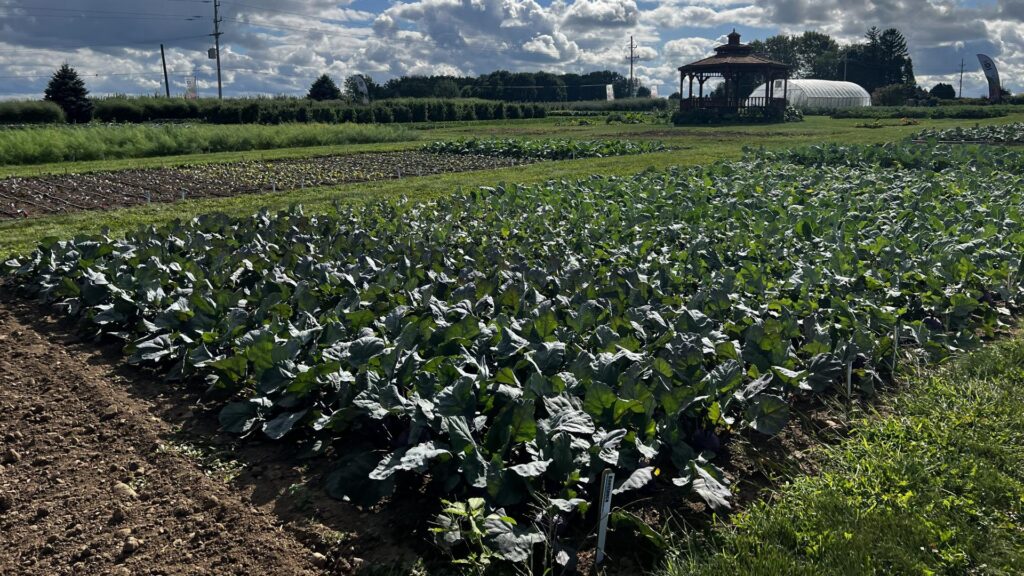
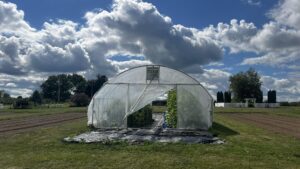
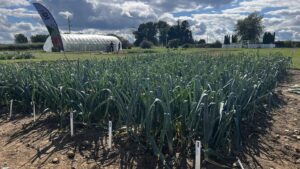
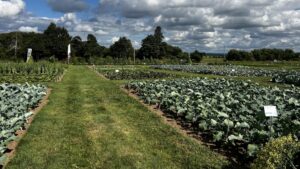
The company’s Geneva Research and Demonstration Farm plays an important role in this process. The facility supports internal breeder trials, variety evaluations, and events that allow growers to examine crops firsthand.
These activities also provide opportunities for breeders and growers to discuss challenges observed during the season and assess how different varieties respond.
Flavor and Culinary Versatility Shape Future Breeding
Alongside field performance, Bejo is placing greater emphasis on the eating quality and potential uses of its vegetable varieties.
Wahlig described how breeders, growers, and sales representatives regularly evaluate vegetables by cutting them open and tasting them during field visits.
“We are constantly cutting open the variety and tasting them, ensuring that not only are we offering quality, but also a delicious cabbage,” Wahlig says.
These evaluations help connect traditional breeding priorities, such as consistency and disease resistance, with characteristics that influence consumer acceptance.
The company is also examining how vegetables can fit into different culinary applications. Wahlig pointed to cabbage leaves as potential alternatives to tortillas or traditional lettuce wraps, reflecting interest in vegetables that can serve multiple purposes.
Balancing Field Performance and Market Needs
Bejo’s breeding priorities reflect the need to improve established crops while responding to changes in growing conditions and consumer expectations.
In cabbage, the focus includes stronger root systems and improved disease resistance. In kale, heat tolerance and consistent coloration can influence harvest quality and market opportunities. For carrots, versatility across fresh-market and processing applications remains an important consideration.
Across these crops, regional trials continue to inform variety selection, while flavor and eating quality are becoming increasingly important parts of the breeding process.
As Bejo USA marks its 35th anniversary in 2026, its work at the Geneva Research and Demonstration Farm illustrates how breeders are combining established genetics, field evaluations and changing market requirements to guide future vegetable variety development.
Stay tuned as we showcase more of what leading vegetable seed companies and breeders are bringing to the table for growers.
Subscribe Today For